• Shopping Cart Shopping Cart
    0Shopping Cart
Torontek
  • Home
  • About ToronTek
  • Products
    • Fetal Dopplers
    • Pulse Oximeters
  • Blog
  • Contact
  • Store locator
  • Menu Menu
ToronTek R88 fetal Doppler infographic explaining Doppler ultrasound technology, fetal heart rate detection, device features, and factors affecting signal detection.ToronTek-All Rights Reserved

Understanding Fetal Doppler Technology and Fetal Heart Rate Detection

June 1, 2026/0 Comments/in Pegnancy tips, Pregnancy, Uncategorized/by admin

Fetal Doppler technology is widely used to detect and display fetal heart rate signals using ultrasound. By applying Doppler principles, these devices can identify movement associated with the fetal heart and convert those signals into audible sounds and digital heart rate information.

Understanding how fetal Doppler technology works and what factors influence fetal heart rate detection can help users better understand the capabilities of these devices.

What Is a Fetal Doppler?

A fetal Doppler is an ultrasound-based device designed to detect fetal heart rate signals.

The device uses a probe that emits low-power ultrasound waves. When these waves encounter moving structures, such as the fetal heart, the reflected signals are processed and converted into audible sound and fetal heart rate information.

An example of a fetal Doppler device is the [ToronTek-R88 Fetal Doppler].

How Does Fetal Doppler Technology Work?

Fetal Doppler devices utilize the Doppler effect, a principle that measures changes in sound wave frequency caused by movement.

The process typically involves:

  1. Emitting ultrasound waves through the probe.
  2. Receiving reflected signals from moving tissues.
  3. Processing the Doppler frequency shifts.
  4. Converting the signals into audible sounds and fetal heart rate readings.

This technology allows detection of fetal heart activity and presentation of heart rate information in beats per minute (BPM).

What Information Does a Fetal Doppler Display?

Most fetal Doppler devices provide:

  • Fetal heart rate (BPM)
  • Audible fetal heart sounds
  • Digital display information
  • Volume control functions
  • Probe-based signal detection

The [ToronTek-R88 Fetal Doppler] features a digital display that provides fetal heart rate information in beats per minute.

What Factors Can Affect Fetal Heart Rate Detection?

Several factors may influence the detection of fetal heart rate signals, including:

Gestational Age

Detection characteristics may vary throughout pregnancy as fetal development progresses.

Fetal Position

The position of the fetus may affect signal acquisition and probe placement.

Probe Placement

Proper probe positioning is important for obtaining fetal heart rate signals.

Maternal Anatomy

Individual anatomical differences can influence signal detection characteristics.

Movement

Maternal or fetal movement may affect signal acquisition and measurement stability.

Why Is Ultrasound Gel Used With a Fetal Doppler?

Ultrasound gel helps improve the transmission of ultrasound waves between the probe and the skin.

Using the recommended coupling gel can assist in optimizing signal transfer and improving detection performance.

Features to Consider When Choosing a Fetal Doppler

When evaluating a fetal Doppler device, users may wish to consider:

Digital Heart Rate Display

A clear display allows easy viewing of fetal heart rate information.

Audio Quality

High-quality audio output can improve signal interpretation.

Probe Sensitivity

Probe performance plays an important role in signal acquisition.

Portability

Compact designs can improve convenience and ease of handling.

The [ToronTek-R88 Fetal Doppler] combines a compact design with a digital fetal heart rate display and integrated audio functionality.

Frequently Asked Questions

What is a fetal Doppler?

A fetal Doppler is an ultrasound-based device designed to detect fetal heart rate signals and convert them into audible sounds and digital heart rate information.

How does a fetal Doppler detect fetal heart rate?

The device emits ultrasound waves and analyzes reflected signals using Doppler technology to identify movement associated with the fetal heart.

What does fetal heart rate mean?

Fetal heart rate refers to the number of times the fetal heart beats per minute and is typically displayed as BPM (beats per minute).

Can fetal position affect signal detection?

Yes. Fetal position, probe placement, gestational age, and movement may influence signal acquisition and detection performance.

What information does the ToronTek-R88 Fetal Doppler provide?

The ToronTek-R88 provides fetal heart rate information through a digital display and audible fetal heart sound output.

Important Disclaimer

The information provided in this article is for general educational and informational purposes only and is not intended as medical advice, diagnosis, or treatment. Fetal Doppler devices are not intended to replace professional medical evaluations, prenatal examinations, or guidance from qualified healthcare professionals. If you have questions regarding pregnancy, fetal health, or fetal heart rate information, consult your physician or healthcare provider.

Related Product

  • [ToronTek-R88 Fetal Doppler]

Conclusion

Fetal Doppler technology uses ultrasound and Doppler principles to detect fetal heart rate signals and provide audible and visual heart rate information. Understanding how these devices work, the factors that influence signal detection, and the available device features can help users better understand fetal heart rate detection technology.

https://torontek.com/wp-content/uploads/2026/05/2ac24b23-cc84-4468-a7f6-31af835adfc1.png 1024 1536 admin http://torontek.com/wp-content/uploads/2016/02/Torontek-homepage-300x300.jpg admin2026-06-01 05:39:412026-06-01 05:39:43Understanding Fetal Doppler Technology and Fetal Heart Rate Detection
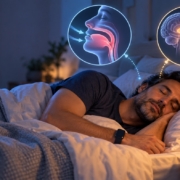
Infographic explaining sleep apnea, blood oxygen saturation monitoring, and the benefits of overnight SpO₂ tracking during sleep.ToronTek-All Rights Reserved

Pulse Oximeter for Sleep Monitoring: What Features Matter Most?

May 29, 2026/0 Comments/in Respiratory, Sleep related/by admin

Pulse oximeters are commonly used to measure blood oxygen saturation (SpO₂) and pulse rate. While many pulse oximeters are designed for quick spot-check measurements, some models are better suited for extended monitoring periods, including overnight use.

If you’re looking for a pulse oximeter for sleep monitoring, understanding the differences between fingertip and wrist-worn designs can help you choose the right device.

What Pulse Oximeter Is Best for Overnight Monitoring?

For overnight monitoring, comfort is one of the most important considerations.

Traditional fingertip pulse oximeters are excellent for quick measurements but may be less comfortable during extended wear because the entire device remains attached to the finger.

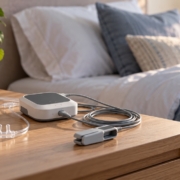
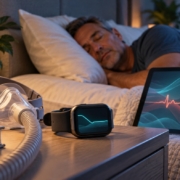
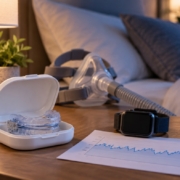
A wrist-worn pulse oximeter, such as the [ToronTek-B400 Wrist Pulse Oximeter], separates the display unit from the sensor. The lightweight finger probe remains on the finger while the monitor is worn on the wrist, helping improve comfort during longer monitoring sessions.

Why Is Comfort Important During Sleep Monitoring?

Extended monitoring requires a device that remains secure while minimizing interference with natural movement during sleep.

Key features to consider include:

  • Lightweight sensor design
  • Secure probe attachment
  • Comfortable wrist-worn monitor
  • Long battery life
  • Adjustable display brightness
  • Alarm functions

The [ToronTek-B400 Wrist Pulse Oximeter] was designed with these considerations in mind and features a lightweight finger sensor connected to a wrist-worn monitor.

Wrist Pulse Oximeter vs Fingertip Pulse Oximeter

Fingertip Pulse Oximeters

Fingertip pulse oximeters such as the [ToronTek-G64+ Pulse Oximeter]  [ToronTek-L12 Pulse Oximeter with App], and ToronTek-H50+ Pulse Oximeter are ideal for:

  • Spot-check measurements
  • Quick oxygen saturation readings
  • Portable everyday monitoring
  • Travel use

Wrist Pulse Oximeters

Wrist pulse oximeters are often preferred for:

  • Extended monitoring sessions
  • Overnight oxygen monitoring
  • Situations where comfort is important
  • Long-duration recording applications

The wrist-worn design allows the display and battery to remain on the wrist while only a lightweight sensor is attached to the finger.

Features to Look for in a Sleep Monitoring Pulse Oximeter

Comfortable Sensor Design

A lightweight finger probe can improve comfort during extended monitoring.

Alarm Functions

Alarm settings can notify users when SpO₂ or pulse rate readings move outside selected limits.

The [ToronTek-B400 Wrist Pulse Oximeter] includes adjustable alarm settings for both oxygen saturation and pulse rate monitoring.

Rechargeable Battery

For extended monitoring, battery performance is important.

Unlike many fingertip pulse oximeters that use disposable AAA batteries, the [ToronTek-B400 Wrist Pulse Oximeter]features a built-in rechargeable lithium battery.

Adjustable Screen Brightness

Display brightness can be adjusted to suit different viewing conditions while helping minimize unnecessary light exposure during overnight monitoring.

Why Choose the ToronTek-B400 Wrist Pulse Oximeter?

The ToronTek-B400 offers several advantages for users seeking a pulse oximeter designed for extended monitoring:

  • Wrist-worn monitor design
  • Lightweight finger probe
  • Color display
  • Adjustable brightness settings
  • Adjustable SpO₂ and pulse rate alarms
  • Rechargeable lithium battery
  • Comfortable design for overnight monitoring

Its unique wrist-and-probe configuration makes it different from traditional fingertip pulse oximeters and particularly well suited for extended monitoring applications.

Frequently Asked Questions

What pulse oximeter is best for overnight monitoring?

Many users prefer wrist-worn pulse oximeters for overnight monitoring because the lightweight finger sensor may be more comfortable than a traditional fingertip device. The ToronTek-B400 Wrist Pulse Oximeter was specifically designed with extended monitoring comfort in mind.

Can a pulse oximeter be worn overnight?

Some pulse oximeters are designed for extended monitoring applications. Wrist-worn designs often provide greater comfort for longer monitoring sessions compared with traditional fingertip models.

Why is a wrist pulse oximeter more comfortable?

A wrist pulse oximeter places the monitor on the wrist while using a lightweight finger probe, reducing the amount of weight attached directly to the finger.

Does the ToronTek-B400 have alarm functions?

Yes. The ToronTek-B400 includes adjustable alarm settings for both oxygen saturation (SpO₂) and pulse rate measurements.

Does the ToronTek-B400 use disposable batteries?

No. The ToronTek-B400 features a built-in rechargeable lithium battery.

Conclusion

When selecting a pulse oximeter for sleep monitoring, comfort, battery life, alarm functions, and display quality are all important considerations. While fingertip pulse oximeters remain excellent for spot-check measurements, wrist-worn designs such as the ToronTek-B400 offer unique advantages for extended monitoring applications thanks to their lightweight finger probe and comfortable wrist-mounted display.

Disclaimer: The information in this article is provided for general educational and informational purposes only and does not constitute medical advice. Always consult a qualified healthcare professional regarding any questions about your health, symptoms, oxygen saturation readings, or medical condition.

https://torontek.com/wp-content/uploads/2026/05/7addec57-ffcd-40fe-a097-39a407b7bde0-2.png 1024 1536 admin http://torontek.com/wp-content/uploads/2016/02/Torontek-homepage-300x300.jpg admin2026-05-29 20:16:562026-05-29 20:19:14Pulse Oximeter for Sleep Monitoring: What Features Matter Most?
Infographic showing blood oxygen saturation SpO₂ ranges, including normal, below normal, low, and very low oxygen levels.ToronTek- All Rights Reserved

What Is a Dangerous Blood Oxygen Level? Understanding SpO2 Readings?

May 29, 2026/0 Comments/in Uncategorized/by admin

Blood oxygen saturation (SpO2) is a measurement that estimates the percentage of oxygen being carried by red blood cells. Pulse oximeters are commonly used to measure SpO2 quickly and non-invasively.

Many people wonder what constitutes a dangerous blood oxygen level and how to interpret pulse oximeter readings. Understanding oxygen saturation ranges can help individuals better understand the information displayed by their oxygen saturation monitor.

What Is SpO2?

SpO2 stands for peripheral capillary oxygen saturation. It is expressed as a percentage and represents an estimate of how much oxygen is being carried in the bloodstream.

Pulse oximeters measure SpO2 using optical sensors placed on the fingertip or other approved sensor locations.

Examples of pulse oximeters include:

  • [ToronTek-L12 Pulse Oximeter with App]
  • [ToronTek-G64+ Pulse Oximeter]
  • [ToronTek-B400 Wrist Pulse Oximeter]

What Is Considered a Normal Blood Oxygen Level?

SpO2 values can vary between individuals and may be influenced by age, altitude, health status, activity level, and other factors.

Generally, healthy individuals often display oxygen saturation readings in the mid-to-high 90% range. However, interpretation of oxygen saturation values should always take individual circumstances into account.

What Is Considered a Low Blood Oxygen Level?

Lower oxygen saturation readings may warrant attention depending on the individual’s health status, symptoms, and medical history.

A single reading should not be interpreted in isolation. Repeated measurements, overall trends, and clinical context are important considerations.

What Is a Dangerous Blood Oxygen Level?

There is no single oxygen saturation value that applies to every person or situation. The significance of a reading depends on many factors, including medical history, symptoms, physician guidance, and individual health conditions.

If an individual has concerns regarding oxygen saturation readings or experiences symptoms that may be related to oxygen levels, they should seek guidance from a qualified healthcare professional.

Factors That Can Affect Pulse Oximeter Readings

Several factors can influence SpO2 measurements:

  • Finger movement
  • Cold hands or reduced circulation
  • Nail polish or artificial nails
  • Ambient lighting conditions
  • Improper sensor placement
  • Device quality

For best results:

  • Remain still during measurement
  • Ensure proper finger placement
  • Allow the reading to stabilize
  • Follow the manufacturer’s instructions

Choosing a Pulse Oximeter for Oxygen Monitoring

When selecting a pulse oximeter, users may wish to consider:

Smartphone Connectivity

The [ToronTek-L12 Pulse Oximeter with App] offers Bluetooth connectivity and smartphone tracking.

Alarm Functions

The [ToronTek-G64+ Pulse Oximeter], [ToronTek-L12 Pulse Oximeter with App], and [ToronTek-B400 Wrist Pulse Oximeter] include alarm capabilities that can alert users when readings move beyond selected limits.

Extended Monitoring

The [ToronTek-B400 Wrist Pulse Oximeter] is designed for comfortable extended monitoring using a wrist-worn monitor and lightweight finger sensor.

Important Disclaimer

The information provided in this article is for general educational and public health information purposes only and should not be considered medical advice, diagnosis, or treatment. Oxygen saturation readings should always be interpreted in the context of an individual’s overall health, symptoms, and medical history. If you have concerns about your oxygen saturation levels or health condition, consult a qualified healthcare professional or physician.

Frequently Asked Questions

What is a dangerous blood oxygen level?

The significance of a blood oxygen reading depends on the individual, their symptoms, health status, and guidance from healthcare professionals. Oxygen saturation values should not be interpreted without considering the broader clinical context.

What does SpO2 mean?

SpO2 stands for peripheral capillary oxygen saturation and represents an estimate of the percentage of oxygen carried by red blood cells.

Can pulse oximeter readings vary?

Yes. Factors such as movement, circulation, finger placement, nail polish, and environmental conditions may affect readings.

Which ToronTek pulse oximeter includes smartphone connectivity?

The [ToronTek-L12 Pulse Oximeter with App] features Bluetooth connectivity and smartphone-based data tracking.

Which ToronTek pulse oximeter is designed for overnight monitoring?

The [ToronTek-B400 Wrist Pulse Oximeter] features a wrist-worn design with a lightweight finger sensor for extended monitoring applications.

Conclusion

Pulse oximeters provide a convenient way to measure blood oxygen saturation and pulse rate. Understanding SpO2 readings, factors that affect measurements, and proper measurement techniques can help users obtain more reliable information from their oxygen saturation monitor.

https://torontek.com/wp-content/uploads/2026/05/f8288774-baba-4340-8727-dc85e4a176c2.png 1024 1536 admin http://torontek.com/wp-content/uploads/2016/02/Torontek-homepage-300x300.jpg admin2026-05-29 20:05:502026-05-29 20:05:53What Is a Dangerous Blood Oxygen Level? Understanding SpO2 Readings?
Pulse oximeter measuring blood oxygen saturation and pulse rate with infographic about pulse oximeter accuracy and SpO2 monitoring.ToronTek- All Rights Reserved

How Accurate Are Pulse Oximeters? Understanding SpO2 Measurement Accuracy

May 29, 2026/0 Comments/in Respiratory/by admin

How accurate is Pulse Oximeter?

Pulse oximeters are widely used to measure blood oxygen saturation (SpO2) and pulse rate. As these devices have become more common, many people ask an important question: How accurate is a pulse oximeter?

Understanding how pulse oximeters work, what factors can influence readings, and how to obtain the most reliable measurements can help users better interpret their results.

How Does a Pulse Oximeter Work?

A pulse oximeter uses light sensors to estimate the percentage of oxygen carried in the blood. The device shines specific wavelengths of light through the fingertip and analyzes how much light is absorbed by oxygenated and deoxygenated blood.

The result is displayed as:

  • SpO2 (blood oxygen saturation)
  • Pulse Rate (heart rate)
  • Additional measurements on some models, such as Perfusion Index (PI)

Examples of pulse oximeters include:

  • [ToronTek-L12 Pulse Oximeter with App]
  • [ToronTek-G64+ Pulse Oximeter]
  • [ToronTek-B400 Wrist Pulse Oximeter]

How Accurate Is a Pulse Oximeter?

Pulse oximeters are designed to provide an estimate of blood oxygen saturation. When used according to manufacturer instructions and under appropriate conditions, modern pulse oximeters can provide highly consistent SpO2 and pulse rate readings.

Accuracy can vary depending on:

  • Proper finger placement
  • Hand movement during measurement
  • Blood circulation
  • Ambient lighting conditions
  • Nail polish or artificial nails
  • Sensor quality
  • Device design

For best results, measurements should be taken while remaining still and allowing the device sufficient time to stabilize.

What Factors Can Affect Pulse Oximeter Accuracy?

Movement

Excessive hand or finger movement can interfere with measurement quality.

Poor Circulation

Cold hands or reduced blood flow may make it more difficult for the sensor to obtain a stable reading.

Nail Polish and Artificial Nails

Dark nail polish or artificial nails can sometimes affect the amount of light reaching the sensor.

Improper Fit

The finger should be positioned properly within the pulse oximeter to ensure accurate sensor alignment.

Are Fingertip Pulse Oximeters Accurate?

Fingertip pulse oximeters remain one of the most popular oxygen monitoring solutions because they are simple, portable, and easy to use.

Models such as the [ToronTek-G64+ Pulse Oximeter] and [ToronTek-L12 Pulse Oximeter with App] are designed for quick spot-check monitoring and feature bright displays for easy viewing.

Are Wrist Pulse Oximeters Accurate?

Wrist pulse oximeters use a different design that separates the finger sensor from the display unit.

The [ToronTek-B400 Wrist Pulse Oximeter] uses a lightweight finger probe connected to a wrist-worn monitor. This design can be particularly useful for extended monitoring applications where comfort is important.

How Can You Improve Measurement Quality?

To obtain the most reliable readings:

  • Sit comfortably and remain still
  • Warm cold hands before measurement
  • Remove dark nail polish if possible
  • Ensure proper finger placement
  • Allow the reading to stabilize
  • Follow the device instructions carefully

Choosing a Quality Pulse Oximeter

When selecting a pulse oximeter, consider features such as:

Display Quality

The [ToronTek-G64+ Pulse Oximeter] features a color OLED display with rotating viewing modes.

Smartphone Connectivity

The [ToronTek-L12 Pulse Oximeter with App] offers Bluetooth connectivity and smartphone data tracking.

Extended Monitoring

The [ToronTek-B400 Wrist Pulse Oximeter] is designed for comfortable extended monitoring using a wrist-worn monitor and finger sensor.

Large Display

The [ToronTek-H50+ Pulse Oximeter] features a large digital display with oversized numbers for easy viewing.

Frequently Asked Questions

How accurate is a pulse oximeter?

Pulse oximeters are designed to estimate blood oxygen saturation and pulse rate using optical sensor technology. Reading quality can be influenced by movement, circulation, finger placement, and environmental factors.

Can finger movement affect pulse oximeter readings?

Yes. Excessive movement during measurement may interfere with the sensor’s ability to obtain a stable reading.

Why are my pulse oximeter readings different at different times?

Factors such as activity level, circulation, body position, and measurement conditions may contribute to normal variations in readings.

Does nail polish affect pulse oximeter accuracy?

Certain dark-colored nail polishes and artificial nails may affect sensor performance by altering light transmission.

Which ToronTek pulse oximeter includes Bluetooth connectivity?

The [ToronTek-L12 Pulse Oximeter with App] features Bluetooth connectivity and smartphone tracking capabilities.

Related ToronTek Pulse Oximeters

  • [ToronTek-L12 Pulse Oximeter with App]
  • [ToronTek-G64+ Pulse Oximeter]
  • [ToronTek-B400 Wrist Pulse Oximeter]

Conclusion

Pulse oximeters are valuable tools for measuring blood oxygen saturation and pulse rate. Understanding the factors that influence measurement quality can help users obtain more consistent readings and select the pulse oximeter that best meets their monitoring needs.

https://torontek.com/wp-content/uploads/2026/05/59432716-c323-4d21-b743-bfe98603b136.png 1024 1536 admin http://torontek.com/wp-content/uploads/2016/02/Torontek-homepage-300x300.jpg admin2026-05-29 19:52:142026-05-29 19:52:16How Accurate Are Pulse Oximeters? Understanding SpO2 Measurement Accuracy
ToronTek-L12 pulse oximeter compared with smartwatch oxygen monitoring, highlighting accuracy, Bluetooth app connectivity, alarms, and blood oxygen saturation tracking.ToronTek- All Rights Reserved

Pulse Oximeter vs Smartwatch Oxygen Monitoring: Which Is More Accurate?

May 29, 2026/0 Comments/in Uncategorized/by admin

Smartwatches and pulse oximeters can both measure blood oxygen saturation (SpO2), but they are designed for different purposes. As wearable technology becomes more advanced, many people wonder whether a smartwatch can replace a dedicated pulse oximeter.

Understanding the differences between these devices can help users select the most appropriate oxygen saturation monitor for their needs.

What Is a Pulse Oximeter?

A pulse oximeter is a device specifically designed to measure blood oxygen saturation (SpO2) and pulse rate. Most pulse oximeters use sensors that pass light through the fingertip to calculate oxygen saturation levels and heart rate.

Dedicated pulse oximeters are designed specifically for oxygen monitoring and often provide additional features such as alarm functions, perfusion index measurements, and specialized display modes.

Examples include:

  • [ToronTek-L12 Pulse Oximeter with App]
  • [ToronTek-G64+ Pulse Oximeter]
  • [ToronTek-B400 Wrist Pulse Oximeter]
  • [ToronTek-H50+ Pulse Oximeter]

What Is Smartwatch Oxygen Monitoring?

Many modern smartwatches include blood oxygen monitoring features. These devices use optical sensors located on the underside of the watch to estimate blood oxygen saturation through the wrist.

Smartwatch blood oxygen monitoring can be useful for general wellness tracking and trend observation. However, oxygen monitoring is typically one of many features included alongside fitness tracking, messaging, notifications, sleep tracking, and other functions.

Is a Pulse Oximeter More Accurate Than a Smartwatch?

In general, dedicated pulse oximeters are designed specifically for measuring SpO2 and pulse rate, while smartwatches perform oxygen monitoring as one feature among many.

Several factors can affect smartwatch readings, including:

  • Wrist movement
  • Skin contact
  • Watch fit
  • Sensor placement
  • Ambient light interference

Pulse oximeters are designed to position sensors directly on the fingertip, which can help provide consistent measurement conditions.

For individuals seeking a dedicated oxygen saturation monitor, a pulse oximeter is often the preferred option because its primary purpose is SpO2 and pulse rate measurement.

When Is a Pulse Oximeter the Better Choice?

A dedicated pulse oximeter may be the preferred option when users need:

  • Fast spot-check measurements
  • Audible alarm functions
  • High and low SpO2 alerts
  • Pulse rate monitoring
  • Perfusion index measurements
  • Clear standalone display screens

The [ToronTek-G64+ Pulse Oximeter] includes adjustable alarms, a color OLED display, and multiple viewing modes.

The [ToronTek-L12 Pulse Oximeter with App] combines Bluetooth connectivity with smartphone tracking capabilities.

For extended monitoring applications, the [ToronTek-B400 Wrist Pulse Oximeter] features a lightweight finger sensor connected to a wrist-worn monitor.

Users seeking large, easy-to-read numbers may prefer the [ToronTek-H50+ Pulse Oximeter].

When Is a Smartwatch the Better Choice?

A smartwatch may be suitable for individuals who want:

  • General wellness tracking
  • Fitness monitoring
  • Daily activity tracking
  • Convenient wearable technology
  • Multiple health metrics in a single device

Many users appreciate having oxygen saturation information available alongside heart rate, exercise, and sleep-related metrics.

Key Differences Between Pulse Oximeters and Smartwatches

FeaturePulse OximeterSmartwatch
Primary PurposeSpO2 & Pulse MonitoringMulti-function wearable
Sensor LocationFingertipWrist
Alarm FeaturesOften AvailableNot Always Available
Dedicated Oxygen MonitoringYesSecondary Feature
Bluetooth TrackingAvailable on Select ModelsOften Available
Overnight Monitoring OptionsAvailable on Select ModelsVaries by Device

Choosing the Right Oxygen Saturation Monitor

The best choice depends on how the device will be used.

Individuals seeking dedicated oxygen saturation monitoring often prefer pulse oximeters because they are specifically designed for measuring SpO2 and pulse rate.

Those who primarily want fitness and lifestyle tracking may prefer the convenience of smartwatch blood oxygen monitoring.

Frequently Asked Questions

Is a pulse oximeter more accurate than a smartwatch?

Pulse oximeters are specifically designed for measuring blood oxygen saturation and pulse rate. Smartwatches provide oxygen monitoring as one of many functions and may be affected by factors such as fit, motion, and sensor placement.

Can a smartwatch replace a pulse oximeter?

Smartwatches can provide blood oxygen information for wellness tracking, but dedicated pulse oximeters remain a specialized tool for SpO2 and pulse rate measurement.

What is the best oxygen saturation monitor?

The best oxygen saturation monitor depends on individual needs, desired features, and monitoring preferences. Some users prioritize app connectivity, while others prefer alarm functions, overnight monitoring, or large display screens.

Which ToronTek pulse oximeter includes smartphone connectivity?

The [ToronTek-L12 Pulse Oximeter with App] features Bluetooth connectivity and supports smartphone-based tracking through a companion app.

Related ToronTek Pulse Oximeters

  • [ToronTek-L12 Pulse Oximeter with App]
  • [ToronTek-G64+ Pulse Oximeter]
  • [ToronTek-B400 Wrist Pulse Oximeter]
  • [ToronTek-H50+ Pulse Oximeter]

Conclusion

Both pulse oximeters and smartwatches can provide blood oxygen information, but they serve different purposes. Smartwatches focus on overall wellness and lifestyle tracking, while dedicated pulse oximeters are specifically designed for SpO2 and pulse rate monitoring. Understanding these differences can help users select the device that best matches their monitoring needs.

https://torontek.com/wp-content/uploads/2026/05/aa57acdf-46ef-47bf-b335-b1307357812d.png 1024 1536 admin http://torontek.com/wp-content/uploads/2016/02/Torontek-homepage-300x300.jpg admin2026-05-29 17:00:162026-05-29 19:36:44Pulse Oximeter vs Smartwatch Oxygen Monitoring: Which Is More Accurate?
ToronTek Comparison ChartToronTek-All Rights Reserved

Best Pulse Oximeter With App: What Features Matter Most?

May 29, 2026/0 Comments/in Respiratory, Uncategorized/by admin

Pulse oximeters have become an important tool for monitoring blood oxygen saturation (SpO2) and pulse rate. While traditional fingertip pulse oximeters provide instant readings, newer Bluetooth-enabled models allow users to store and track measurements using a smartphone app.

Why Choose a Pulse Oximeter With App Connectivity?

A pulse oximeter with app support can automatically record readings, making it easier to review historical trends and maintain records over time.

Benefits include:

  • Automatic data storage
  • Bluetooth synchronization
  • Trend analysis
  • Easy record keeping
  • Improved visibility of long-term changes

Features to Look For

Bluetooth Connectivity

A quality Bluetooth pulse oximeter should connect quickly and reliably to a smartphone application.

For users seeking smartphone integration, the [ToronTek-L12 Pulse Oximeter with App] offers Bluetooth connectivity and app-based tracking capabilities.

Alarm Functions

Alarm settings can alert users when oxygen saturation or pulse rate values move outside selected ranges.

Both the [ToronTek-L12 Pulse Oximeter with App] and the [ToronTek-G64+ Pulse Oximeter] include adjustable alarm functions.

Display Quality

A bright OLED display improves readability in various lighting conditions.

Models such as the [ToronTek-G64+ Pulse Oximeter] feature a rotating color OLED display for flexible viewing.

Comparing Different Monitoring Styles

Users looking for overnight monitoring may prefer the [ToronTek-B400 Wrist Pulse Oximeter], which uses a lightweight finger sensor connected to a wrist-worn monitor.

Those who prefer large, easy-to-read numbers may find the [ToronTek-H50+ Pulse Oximeter] a practical choice.

Final Thoughts

The best pulse oximeter with app functionality depends on individual monitoring preferences. Features such as Bluetooth connectivity, alarm settings, display quality, and data tracking capabilities should all be considered when selecting a device.

https://torontek.com/wp-content/uploads/2016/11/ToronTek-Comparison-Chart-Pulse-Oximeters.png 1024 1536 admin http://torontek.com/wp-content/uploads/2016/02/Torontek-homepage-300x300.jpg admin2026-05-29 16:42:442026-05-29 16:48:24Best Pulse Oximeter With App: What Features Matter Most?

Is There a Device to Measure Blood Oxygen?

March 4, 2024/0 Comments/in Respiratory/by admin

Is There a Device to Measure Blood Oxygen? A Comprehensive Guide

In today’s health-conscious world, monitoring vital signs has become a paramount concern for many. Among these vital signs, blood oxygen levels emerge as a crucial indicator of our respiratory and overall health. Consequently, this leads to a pressing question that many health enthusiasts and patients alike find themselves asking: “Is there a device to measure blood oxygen?” Fortunately, the answer is a resounding yes. Moreover, this comprehensive guide will introduce you to the wonders of pulse oximetry, the technology behind these life-saving gadgets, providing an insightful exploration into how they work and their significance in our daily lives

What is Pulse Oximetry?

Pulse oximetry is a non-invasive method used to measure the oxygen saturation level of the blood. Importantly, this technology offers the convenience of real-time monitoring without the need for cumbersome blood samples. So, how does it work? Simply put, a pulse oximeter utilizes light beams to estimate the oxygen saturation in your blood and your pulse rate. Specifically, the device typically clips onto a part of the body, often a finger, toe, or earlobe. It then uses red and infrared light to measure how much oxygen is in your blood based on how the light passes through your finger. This approach allows for an efficient and painless way to monitor vital health indicators.

The Importance of Monitoring Blood Oxygen Levels

Monitoring blood oxygen levels can be vital for individuals with respiratory or cardiovascular conditions, athletes, and anyone interested in maintaining optimal health. Generally, normal blood oxygen saturation levels usually range from 95% to 100%. Consequently, values below 95% may indicate a need for medical evaluation, as insufficient oxygenation can lead to severe health issues. Specifically, this situation could result in hypoxemia, which demands prompt medical attention to prevent further complications.

Types of Pulse Oximeters

  1. Fingertip Pulse Oximeters: These portable devices are the most common and are widely used at home for personal monitoring. They are compact, easy to use, and provide quick readings.
  2. Handheld Pulse Oximeters: Often found in medical settings, these devices come with a probe that is attached to the patient, offering more detailed monitoring capabilities.
  3. Wearable Pulse Oximeters: Designed for continuous monitoring, these oximeters can be worn on the wrist and are ideal for patients needing constant observation without hospitalization.
Is There a Device to Measure Blood Oxygen? ToronTek Pulse oximeters are the perfect choices

How to Use a Pulse Oximeter

Using a pulse oximeter is straightforward:

  1. Turn on the device and place it on your finger, toe, or earlobe.
  2. Wait a few seconds for the device to calculate the reading.
  3. Read the display, which will show your oxygen saturation level (SpO2) and pulse rate.

Choosing the Right Pulse Oximeter

When selecting a pulse oximeter, consider the following:

  • Accuracy: Look for devices with an accuracy of ±2% for SpO2 readings.
  • Ease of Use: The device should be user-friendly, with a clear display and simple operation.
  • Durability and Portability: Choose a robust device if you plan to carry it frequently.
  • Price: Prices vary, so select one that fits your needs and budget.

Conclusion: Empowering Health with Technology

In answering the question, “Is there a device to measure blood oxygen?” we’ve uncovered the critical role pulse oximeters play in health monitoring. Importantly, whether for personal health management, athletic performance, or medical needs, these devices offer an easy and efficient way to keep a close eye on your vital signs. It’s essential to remember, while pulse oximeters provide valuable insights, they are not substitutes for professional medical advice. Therefore, always consult with a healthcare provider for concerns about your health and well-being.

Moreover, as technology continues to evolve, the integration of such devices into our daily lives emphasizes the importance of staying informed and proactive about our health. By understanding and utilizing tools like pulse oximeters, we significantly empower ourselves to lead healthier, more informed lives. This proactive approach not only enhances our ability to monitor our health but also encourages a culture of wellness and informed decision-making.

Check out the latest pulse oximeters to find the device that best suits your needs, and take a step today towards a healthier tomorrow.

External resources:

  1. American Lung Association. Provides a wealth of information on how blood oxygen levels affect lung health and offers guidance on managing respiratory conditions. Visit their website at American Lung Association.
  2. Mayo Clinic. Offers detailed insights into the importance of monitoring your blood oxygen levels and how it can signal various health conditions. Explore more at Mayo Clinic.
  3. Consumer Reports. For those in the market for a pulse oximeter, Consumer Reports offers unbiased reviews and buying guides to help you choose the right product. Check their recommendations at Consumer Reports.
  4. National Institutes of Health (NIH). Provides scientific articles and research studies on pulse oximetry, explaining the technology, its applications, and its limitations. Read their publications at NIH.
  5. Centers for Disease Control and Prevention (CDC). Offers guidelines and educational materials on preventing respiratory illnesses and how monitoring blood oxygen levels can be a critical part of managing health. Visit CDC for more information.

Disclaimer

The information, including but not limited to, text, graphics, images and other material contained on this website are for informational purposes only. The purpose of this website is to promote broad consumer understanding and knowledge of various health topics. It is not intended to be a substitute for professional medical advice, diagnosis or treatment. Always seek the advice of your physician or another qualified healthcare provider with any questions you may have regarding a medical condition or treatment and before undertaking a new health care regimen, and never disregard professional medical advice or delay in seeking it because of something you have read on this website.

https://torontek.com/wp-content/uploads/2024/03/ToronTek-G64-Puls-eOximeter-1.jpg 889 887 admin http://torontek.com/wp-content/uploads/2016/02/Torontek-homepage-300x300.jpg admin2024-03-04 01:03:012024-04-05 21:55:42Is There a Device to Measure Blood Oxygen?
Overcoming Anxiety in pregnancy after previous miscarriages- Mindfulness techniquesToronTek

Overcoming Anxiety in pregnancy after previous miscarriages

March 3, 2024/0 Comments/in Miscarriage, Pregnancy/by admin

Pregnancy should be a time of anticipation and joy, but for those who have experienced the heartbreak of miscarriages, it can also bring a shadow of anxiety and fear. If you’ve faced such losses, you’re not alone, and there are ways to navigate through this complex emotional landscape towards a place of hope and resilience.

Understanding Anxiety in Pregnancy

Anxiety during pregnancy, especially after previous miscarriages, is a natural response. It stems from the fear of the unknown and the desire to protect oneself from further emotional pain. However, it’s crucial to address this anxiety because it can affect both your well-being and that of your developing baby.

Strategies for Managing Anxiety

Seek Professional Support

One of the most effective steps you can take is to seek support from a healthcare provider who understands the nuances of pregnancy after loss. A therapist specializing in prenatal mental health can offer strategies tailored to your needs.

Build a Support Network

Surround yourself with people who understand what you’re going through. Support groups, both in-person and online, can connect you with others who share your experiences and fears.

Focus on What You Can Control

Focus on maintaining a healthy lifestyle, attending all prenatal appointments, and following your healthcare provider’s advice. Engaging in prenatal yoga or meditation can also help manage stress levels.

Educate Yourself

Understanding the facts about pregnancy after miscarriage can empower you. However, balance is key; too much information can sometimes increase anxiety.

Allow Yourself to Grieve and Heal

Recognize that it’s okay to grieve your losses even as you hope for the future. Acknowledging these emotions is a vital step toward healing.

Create a Plan with Your Healthcare Provider

Work with your healthcare provider to create a plan that addresses your concerns and outlines the steps to take should you encounter any issues during your pregnancy.

Practice Mindfulness and Relaxation Techniques

Mindfulness and relaxation techniques can be particularly beneficial in managing anxiety. Practices such as guided imagery, deep breathing exercises, and progressive muscle relaxation can help ground your thoughts in the present, reducing feelings of anxiety.

Supporting Data and External Links

  • According to the American Pregnancy Association, mindfulness and relaxation techniques can significantly reduce stress and anxiety during pregnancy.
  • The Miscarriage Association provides resources and support for those who have experienced loss, offering a community where your feelings are validated and understood.
A serene image of a pregnant woman practicing prenatal yoga in a peaceful setting, symbolizing calm and hope.

Conclusion

Experiencing anxiety during pregnancy after miscarriages is a journey filled with mixed emotions. Yet, by employing strategies to manage anxiety, seeking support, and focusing on your well-being, you can navigate this path with greater peace and confidence. Remember, it’s okay to seek help, and it’s important to take care of yourself both physically and emotionally. Your feelings are valid, and there’s hope for a joyful outcome.

Let’s embrace this journey together, sharing stories of resilience and hope. If you’ve found particular strategies helpful, or if you have questions or concerns, please share them in the comments below. Your story can be a beacon of hope for others walking this path.

For further reading and resources, visit the American Pregnancy Association and The Miscarriage Association websites. These platforms offer valuable information and support networks to help you through this time.

Remember, you’re not alone on this journey. Together, we can navigate the complexities of pregnancy after loss, finding strength and hope in each other’s stories.

  • American Pregnancy Association (Visit Here): Offers comprehensive information on pregnancy, including managing stress and anxiety during pregnancy, and provides resources for those who have experienced miscarriages.
  • The Miscarriage Association (Visit Here): Provides support and information to anyone affected by miscarriage, ectopic pregnancy, or molar pregnancy. They offer resources that help individuals cope with grief and plan for future pregnancies.

Disclaimer

The information, including but not limited to, text, graphics, images and other material contained on this website are for informational purposes only. The purpose of this website is to promote broad consumer understanding and knowledge of various health topics. It is not intended to be a substitute for professional medical advice, diagnosis or treatment. Always seek the advice of your physician or another qualified healthcare provider with any questions you may have regarding a medical condition or treatment and before undertaking a new health care regimen, and never disregard professional medical advice or delay in seeking it because of something you have read on this website.

https://torontek.com/wp-content/uploads/2024/03/PeacefulPregnancy.jpg 885 885 admin http://torontek.com/wp-content/uploads/2016/02/Torontek-homepage-300x300.jpg admin2024-03-03 23:27:132024-04-05 21:56:23Overcoming Anxiety in pregnancy after previous miscarriages
Physiological Changes in Pregnancy- ToronTek Canada- Blog

Physiological Changes in Pregnancy

August 23, 2022/0 Comments/in Health and wellness tip, News, Pegnancy tips, Pregnancy/by admin
Read more
https://torontek.com/wp-content/uploads/2022/08/Physiological-Changes-in-Pregnancy.jpg 624 948 admin http://torontek.com/wp-content/uploads/2016/02/Torontek-homepage-300x300.jpg admin2022-08-23 10:21:132024-04-05 21:57:20Physiological Changes in Pregnancy
Diagram illustrating the process of understanding blood oxygen levels, highlighting key factors affecting oxygen saturation in the human body

Blood Oxygen Level; all you need to know:

July 27, 2022/0 Comments/in Health, Health and wellness tip, Respiratory/by Rachel Mata

What is Blood Oxygen Level?

Blood oxygen level measures the oxygen circulating in your blood. Red blood cells transport oxygen from the lungs to the body’s parts, indicating how effectively the body moves oxygen from the lungs to the cells. This level is crucial for health.

Measuring Your Blood Oxygen Level

You can measure your blood oxygen level in two ways: through an arterial blood gas test or a pulse oximeter. The arterial blood gas test, a blood test, accurately measures your blood’s oxygen level and checks your blood’s pH balance. Although accurate, this test is invasive. On the other hand, a pulse oximeter offers a noninvasive estimate by sending infrared light into capillaries in your finger, toe, or earlobe and measuring the reflected light. This method provides a reading of your blood’s oxygen saturation (SpO2 level) but has a 2 percent error margin. Despite being slightly less precise, doctors prefer it for its convenience in offering quick readings.

How Blood Becomes Oxygenated

Oxygen saturation in blood starts in the lungs’ alveoli, tiny air sacs responsible for exchanging oxygen and carbon dioxide molecules with the bloodstream. The Oxygen binds to hemoglobin in the blood, which then delivers oxygen to tissues while carrying carbon dioxide back to the lungs. Ideally, oxygen levels in your blood depend on several factors, including the amount of inhaled oxygen, alveoli efficiency, hemoglobin concentration in red blood cells, and hemoglobin’s oxygen attraction. Usually, hemoglobin carries enough oxygen for the body’s needs, but certain diseases can impair its ability to bind oxygen.

Low Blood Oxygen Levels

An oxygen saturation level below 95% is generally abnormal, and below 90% signals an emergency requiring oxygen therapy. The brain, highly sensitive to hypoxia, can suffer cell death within five minutes of oxygen deprivation, leading to serious outcomes like coma, seizures, and brain death if prolonged. Identifying and addressing the cause of low oxygen saturation is crucial. Conditions like COPD and asthma typically result from inadequate air exchange in the lungs and alveoli. Treatments may include oxygen therapy, steroids, or bronchodilators to open the airways.

Treatment

For low blood oxygen levels, treatment options include supplemental oxygen, available in-office or for home use, though some devices require a prescription. Lifestyle changes, like a healthy diet, can also improve oxygen levels and overall health. Since iron deficiency often leads to low oxygen saturation, consuming iron-rich foods such as meat, fish, kidney beans, lentils, and cashew nuts is beneficial.

Disclaimer

This information aims to enhance understanding and knowledge of health topics and is for informational purposes only. It is not a substitute for professional medical advice, diagnosis, or treatment. Always consult your physician or another qualified healthcare provider with any questions about a medical condition or treatment. Do not disregard professional medical advice or delay seeking it based on what you have read on this website.

References:

https://www.healthline.com/health/normal-blood-oxygen-level?fbclid=IwAR2tm66BtteLIJxtsWO-wSdlPskRkyMm8eexDCWwM4Cb7vJqnbBq-6lJNHY

https://www.medicalnewstoday.com/articles/321044?fbclid=IwAR2HNjiORsJFrMem4CtlSf_CQyqwubEdMCGg5Js7D2MsWAPmUrjVoI38Hcw

https://www.news-medical.net/health/What-is-Oxygen-Saturation.aspx?fbclid=IwAR3DxB_BMOxHo5-bkw3P4V5QfeQ3tATQpUdvPyYPlL0AA85gueIEhzF4gtQ

https://torontek.com/wp-content/uploads/2022/07/UNDERSTANDING-BLOOD-OXYGEN-LEVELS-2.jpg 1583 2560 Rachel Mata http://torontek.com/wp-content/uploads/2016/02/Torontek-homepage-300x300.jpg Rachel Mata2022-07-27 10:35:582024-03-04 05:39:53Blood Oxygen Level; all you need to know:
Page 1 of 11123›»

Check our Facebook page

Products

  • ToronTek-L12 Pulse OximeterToronTek All Rights Reserved ToronTek-L12 Pulse Oximeter With Recording App $49.95
  • Fetal doppler with upsized Gel-ToronTek w 250 ml bottle of Gel Fetal doppler with upsized Gel-ToronTek-R88+250 ml Gel $74.95
  • Fetal Doppler-ToronTek-R88-Canadian technology Fetal doppler-ToronTek-R88+60 gr Gel $69.95
  • Sleep apnea monitor- ToronTek-B400 Sleep apnea monitor-ToronTek-B400
    Rated 4.83 out of 5
    $150.00
  • ToronTek-E400W Pulse Oximeter ToronTek-E400W Pulse Oximeter
    Rated 4.84 out of 5
    $114.95

Our writers’ topics

  • Breastfeeding (1)
  • Delivery (1)
  • Health (3)
  • Health and wellness tip (16)
  • News (2)
  • Personal (4)
  • Pregnancy (79)
    • Child birth (15)
    • Fertility (2)
    • Miscarriage (6)
    • Pegnancy tips (40)
  • Pregnancy Problem (13)
  • Respiratory (13)
  • Sleep related (3)
  • Uncategorized (4)
  • Facebook
  • YouTube
  • Instagram
© Copyright - GloCommerce Inc
  • Link to Facebook
  • Link to Youtube
  • Link to Instagram
Scroll to top Scroll to top Scroll to top