

Importance and Benefits of Folic Acid before and during Pregnancy
Taking a folic acid supplement is one of the most important things a woman can do during the early stages of her pregnancy because it can help prevent birth defects of your baby’s brain and spinal cord.
Folic Acid is a pregnancy superhero!
What is folic acid?
Folic acid is the synthetic form of folate, a type of B-vitamin also sometimes referred to as B9. Red blood cells carry oxygen to all the parts of your body. If your body does not make enough red blood cells, you can develop anemia. Anemia happens when your blood cannot carry enough oxygen to your body, which makes you pale, tired, or weak. Also, if you do not get enough folic acid, you could develop a type of anemia called folate-deficiency anemia
For pregnant women, Folate plays an important role in the production of red blood cells and plays a crucial role in the healthy development of the neural tube, brain and spinal cord of the fetus.
The best food sources of folic acid are from vitamins and fortified foods, such as bread, pasta and cereals. Folate is found naturally in foods such as leafy green vegetables, oranges, and beans.
How much folic acid do pregnant women need?
The general recommended dose for a normal, low-risk pregnancy is 400 micrograms (MCGs) a day for pregnant women. However, some women may want or need to take more. It’s a water-soluble vitamin, so there’s usually no harm in taking extra.
All women need 400 micrograms of folic acid every day. Women who can get pregnant should get 400 to 800 micrograms of folic acid from a vitamin or from food that has added folic acid, such as breakfast cereal. This is in addition to the folate you get naturally from food.
Here’s how much folic acid is recommended each day in terms of pregnancy:
- While you’re trying to conceive: 400 mcg
- For the first three months of pregnancy: 400 mcg
- For months four to nine of pregnancy: 600 mcg
- While breastfeeding: 500 mcg
Reasons, why some women may need to take higher doses of folic acid, include:
- If either parent has a medical history of neural tube defects
- If the mother already has a child with a neural tube defect
- If the mother is on certain medications, such as anticonvulsants
- If the mother has diabetes
- If the mother has impaired gastrointestinal absorption, such as with Celiac disease
When Should I Start Taking Folic Acid?
Ideally, a woman should be taking folic acid about a month prior to conception and at least through the first trimester of pregnancy. Birth defects occur within the first 3-4 weeks of pregnancy. So it’s important to have folate in your system during those early stages when your baby’s brain and spinal cord are developing.
All women who can get pregnant need to take 400 to 800 micrograms of folic acid every. You need to take folic acid every day because it is a water-soluble B-vitamin. Water soluble means that it does not stay in the body for a long time. Your body metabolizes (uses) folic acid quickly, so your body needs folic acid each day to work properly.
If you do not get enough folic acid before and during pregnancy, your baby is at higher risk for neural tube defects. Neural tube defects are serious birth defects that affect the spine, spinal cord, or brain and may cause death.
These include:
- Spina bifida. This condition happens when an unborn baby’s spinal column does not fully close during development in the womb, leaving the spinal cord exposed. As a result, the nerves that control the legs and other organs do not work. Children with spina bifida often have lifelong disabilities. They may also need many surgeries.
- Anencephaly. This means that most or all of the brain and skull does not develop in the womb. Almost all babies with this condition die before or soon after birth.
Babies with anencephaly usually do not live long, and those with spina bifida may be permanently disabled. These are scary problems, to say the least. But the good news is that getting enough folic acid may protect your baby from neural tube defects by at least 50%. If you’ve already had a baby with a neural tube defect, getting enough folic acid may reduce your risk of having another child with a neural tube defect by as much as 70%. If you have had a previous child with a neural tube defect, it is recommended that you increase your daily amount of folic acid to 4000 mcg (same as 4 mg) each day. Check with your doctor about how much you should take.
When taken before and during pregnancy, folic acid may also protect your baby against:
- Cleft lip and palate
- Premature birth
- Low birth weight
- Miscarriage
- Poor growth in the womb

What Happens to Your Body After Giving Birth
Many things are happening in your body right after you have a baby. During pregnancy, your body changed a lot. It worked hard to keep your baby safe and healthy. Now that your baby is here, your body is changing again. Some of these changes are physical, like your breasts getting full of milk. Others are emotional, like feeling extra stress.
Things that happen to your body after birth:
Afterbirth pains:
Afterbirth pains are belly cramps you feel as your uterus (womb) shrinks back to its regular size after pregnancy. The cramps should go away in a few days. Right after you give birth, your uterus is round and hard and weighs about 2½ pounds. By about 6 weeks after birth, it weighs only 2 ounces.
Some women have pains for a few days after birth. After-birth pains can feel like labour pains or mild to moderate period pain. This pain comes from your uterus contracting towards its pre-pregnancy size. They are more common in women who have had other babies than in women who have just had their first baby.
You may also experience Shivering or getting the shakes. This can happen right after delivery and it can also happen during the transition stage of labour.
What you can do about this is ask your provider about over-the-counter-medicine you can take for pain. Over-the-counter medicine is the medicine you can buy without a prescription from your provider.
Perineum soreness:
The perineum is the area between your vagina and rectum. It stretches and may tear during labor and vaginal birth. It’s often sore after giving birth, and it may get even sore if you have an episiotomy. This is a cut made at the opening of the vagina to help let your baby out.
What you can do:
- Do Kegel exercises. These exercises strengthen the muscles in the pelvic area. To do Kegel exercises, squeeze the muscles that you use to stop yourself from passing urine (peeing). Hold the muscles tight for 10 seconds and then release. Try to do this at least 10 times in a row, three times a day.
- Put a Swelling on ice. Put a cold pack on your perineum. Use ice wrapped in a towel. Or you can buy cold packs that you freeze in your freezer.
- Sit on a pillow or a donut-shaped cushion.
- Soak your Bottom. Just fill the tub with a few inches of tepid water and hang out there for about 20 minutes, three to four times a day. It decreases swelling, cleans the area so there’s less risk of infection and generally soothes discomfort,
- Wipe from front to back after going to the bathroom. This can help prevent infection as your episiotomy heals.
- Witch Hazel up. Another way to find sweet relief from uncomfortable hemorrhoids? Witch hazel, an herbal remedy with tannins and oils that can help reduce inflammation.
Vaginal discharge:
After your baby is born, your body gets rid of the blood and tissue that was inside your uterus. In the week or so after birth, you’ll bleed from your vagina. The blood is called ‘lochia’. It is bright red and heavy and might have clots. This is normal, but if you pass a clot bigger than a 50 cent piece or notice a bad smell, tell your midwife. You can expect to see lochia for 4 to 6 weeks. Over time, the flow gets less and lighter in color. You may have discharge for a few weeks or even for a month or more.
Breast engorgement:
This is when your breasts swell and are painfully overfull of milk. It usually happens a few days after giving birth. Your breasts may feel tender and sore. The discomfort usually goes away once you start breastfeeding regularly. If you’re not breastfeeding, it may last until your breasts stop making milk, usually within a few days.
Breast engorgement usually occurs when a mother makes more milk than her baby uses. Your breasts may become firm and swollen, which can make it hard for your baby to breastfeed. When your baby suddenly starts breastfeeding less than usual.
Nipple pain:
If you’re breastfeeding, you may have nipple pain during the first few days, especially if your nipples crack. During pregnancy, nipple pain is generally caused by hormones. Although nipple pain in the early days (usually peaking at 3-7 days postpartum) is common, it is not necessarily normal. A common problem leading to sore nipples is an ineffective latch.
Urinary problems can happen after giving birth:
In the first few days after giving birth, you may feel pain or burning when you urinate (pee). Or you may try to urinate but find that you can’t. Sometimes you may not be able to stop urinating. This is called incontinence. It usually goes away as your pelvic muscles become stronger again.
Urine may leak out of the bladder when there is additional pressure exerted, for example, when a pregnant woman coughs or sneezes. After pregnancy, incontinence problems may continue, because childbirth weakens the pelvic floor muscles, which can cause an overactive bladder.
Emotional changes:
You might find that you go up and down a lot, from being happy to feeling very down. That’s normal.
Your baby didn’t come with a set of instructions. You may feel overwhelmed trying to take care of her. Taking care of a baby is a lot to think about.
Many women feel teary, irritable or more emotionally sensitive than usual a few days after giving birth. These feelings are known as the baby blues, and they’re normal, too. It’s a physically and emotionally challenging time. Most women feel better a few days after birth with support and understanding from those around them. If you don’t feel better after 2 weeks, please seek help.
You might find a lot of people want to come to see you, and especially to see your baby. That’s great, but it can be tiring for you both. It’s up to you how many visitors you have, and when. If you’re feeling exhausted, you can always avoid visitors for a while so that you can rest.
“Birth is not only about making babies. Birth is about making mothers — strong, competent, capable mothers who trust themselves and know their inner strength.”
—Barbara Katz Rothman
The information, including but not limited to, text, graphics, images and other material contained on this website are for informational purposes only. The purpose of this website is to promote broad consumer understanding and knowledge of various health topics. It is not intended to be a substitute for professional medical advice, diagnosis or treatment. Always seek the advice of your physician or another qualified healthcare provider with any questions you may have regarding a medical condition or treatment and before undertaking a new health care regimen, and never disregard professional medical advice or delay in seeking it because of something you have read on this website.
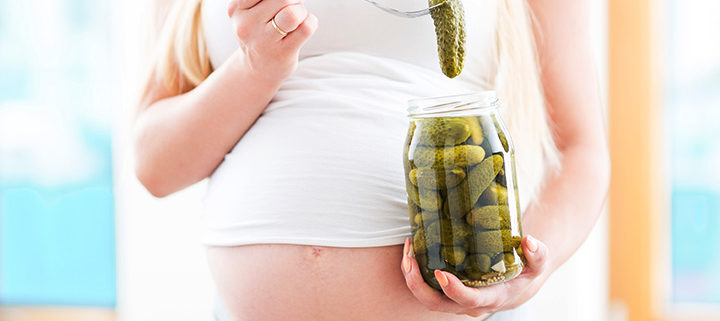
Health Benefits and Risks of Eating Pickles During Pregnancy
Pickle is one of the most craved foods during pregnancy and pregnant women are notorious for having weird cravings for foods like pickles and ice cream. While pickles aren’t the healthiest food you could eat during pregnancy, indulging in a pickle or two every once in a while isn’t likely to cause harm. Pickles have very less nutritional value. One ounce of pickle contains no amount of protein, fat or cholesterol and less than one gram of carbohydrates. This is less than 0.1 percent of the amount of carbohydrates you should ideally have on a daily basis while you are pregnant. Pickle juice does contain high amounts of vitamin C and sodium. It also contains very small amounts of potassium
Is Consuming Pickles in Pregnancy Safe?
Consuming pickles in limited measures when pregnant may not be harmful. But it is not advisable to make pickles a part of your everyday diet while pregnant. Overindulgence in pickles during pregnancy can lead to certain health issues. Moderation should be the guiding factor whenever you are tempted to reach for that jar of pickles.
Moreover, during pregnancy, it is crucial to pay special attention to your dietary intake for your health along with that of your growing fetus. Pickles don’t include much nutritional value. So, their consumption is best kept to the minimum. Further, you may also like to avoid consuming very spicy pickles.
Benefits you eating pickles in moderation:
Helps Maintain Proper Balance Of Electrolytes In Your Body: Potassium and sodium are the two main electrolytes in your body. These are minerals that help in conducting electrical transmissions in your body. When you are pregnant, your body starts retaining more amount of fluid. During these months, your baby’s needs from your body also increase. This causes an increase in your body’s need for an electrolyte.
Calories, Macronutrients, and Boosts Digestion: Pickles are thought to improve digestion and even the immune function to some extent. Pickles may contain healthy bacteria which prevents it from getting spoiled. So eating pickles can aid in multiplying the good bacteria in your digestive system which can help in combating a lot of digestive issues. Eating pickles isn’t likely to cause you to exceed your daily recommended calories during pregnancy and gain too much weight. Dill pickles are low in both calories and fat.
Vitamins and Minerals: Having fresh pickles of various vegetables and fruits may provide important vitamins like vitamin A, C, K and minerals like calcium, iron, and potassium which can lower your risk of falling prey to diseases during pregnancy by strengthening your immune system. Each pickle has about 25.4 micrograms of, or 32 percent of the daily value for, this essential vitamin. Dill pickles provide trace amounts of other essential micronutrients as well, such as calcium, potassium, manganese and vitamin A.
Risk To Your Unborn Baby And You From Excess Sodium Content In Pickles:
Sodium Considerations: The main problem caused by eating dill pickles during pregnancy comes from their high sodium content. This can negate any benefits that eating pickles may have during pregnancy. The high quantity of sodium can actually be very dangerous for both your unborn baby and you if taken regularly over a period of time. Each pickle has 595 milligrams of sodium, which is about one-third of your daily sodium need during pregnancy. Getting too much sodium can increase your risk for high blood pressure, and during pregnancy, it can make you more likely to suffer from swelling. Drinking plenty of water can help minimize this effect. Another option is to eat a low-sodium version of dill pickles instead because these pickles have only about 12 milligrams of sodium each.
Potential for Heartburn: Refrain from eating very spicy pickles as it can trigger dysentery and digestive problems like heartburn and acidity. Pregnant women sometimes have problems with heartburn because pregnancy causes your body to produce more of the hormone progesterone. This hormone relaxes the valve that helps keep stomach acid and partially digested food from backing up into the esophagus.
Food Safety Considerations: Eating pickle during pregnancy which is homemade may have traces of listeria bacteria that can be potentially dangerous for the pregnancy. While store-bought dill pickles are generally safe during pregnancy, you may want to stay away from homemade refrigerator pickles during pregnancy. The listeria bacteria can survive the process used to make this type of pickle and this type of food poisoning is particularly dangerous for pregnant women. It can cause premature delivery, stillbirth, health problems for the baby or miscarriage.
Having a little pickle is alright, as long as you are not overdoing it and it is not turning into a regular habit. Speak to your doctor when pregnant before consuming pickles and discuss how much and how frequently you can have pickles if you really crave for it, as well as your concerns regarding safety and likely allergic reactions.
The information, including but not limited to, text, graphics, images and other material contained on this website are for informational purposes only. The purpose of this website is to promote broad consumer understanding and knowledge of various health topics. It is not intended to be a substitute for professional medical advice, diagnosis or treatment. Always seek the advice of your physician or another qualified healthcare provider with any questions you may have regarding a medical condition or treatment and before undertaking a new health care regimen, and never disregard professional medical advice or delay in seeking it because of something you have read on this website.
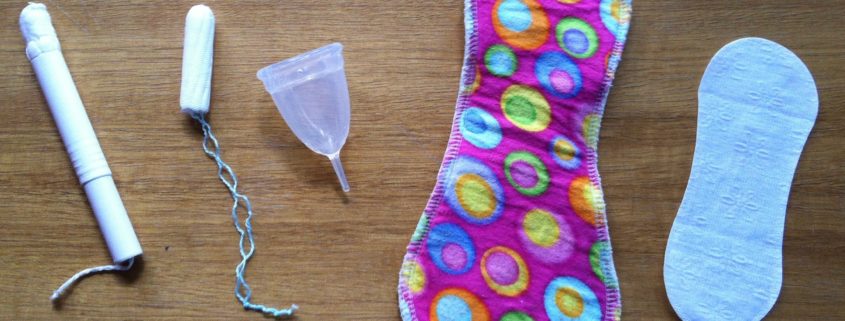
Your First Postpartum Period: What to Expect
There are many things to love about pregnancy. Another is that you’ll have at least nine months of freedom from your period. But after you deliver, you’re probably curious about what will happen with your menstrual cycle. After its months-long hiatus, your postpartum period might return with a vengeance—or a whisper—and stay that way for years.
When your period returns often depend on whether or not you breastfeed. And just like your life after baby, you might find your periods after pregnancy is somewhat different.
When will my period return?
There are several factors that affect the return of your menstrual cycle, but most women will experience their first period between six to eight weeks after childbirth if you are not breastfeeding Approximately 80% of non-nursing mothers will have their period by the time they are 10 weeks postpartum. Those who practice exclusive breastfeeding might not have a period the entire time they breastfeed. “Exclusive breastfeeding” means that your baby is receiving only your breast milk. But for others, it might return after a couple of months, whether they’re breastfeeding or not.
If this is not your first pregnancy, keep in mind that every pregnancy is different. Even if your period returned exactly six weeks after the birth of your first child, this does not mean your menstrual cycle will return at the same point with your second pregnancy.
If your period does return quickly after giving birth and you had a vaginal delivery, your doctor might recommend that you avoid using tampons during your first menstruation post-baby. This is because your body is still healing, and tampons could potentially cause trauma. Ask your doctor if you can return to using tampons at your six-week postpartum checkup.
Breastfeeding and Your Menstrual Cycle
Typically, women who are breastfeeding don’t get their periods as quickly because of the body’s hormones. Prolactin, the hormone needed to produce breast milk, can suppress reproductive hormones. As a result, you don’t ovulate or release an egg for fertilization. Without this process, you most likely won’t menstruate.
In most cases, the rule of thumb is that it’s perfectly normal to wait up until six months after you’re finished breastfeeding for your menstrual cycle to return. If you haven’t gotten your first period at this time, your doctor may prescribe a medication to jump start menstruation and ovulation.
First Period after Pregnancy
Your first period after pregnancy is likely to be more painful than what you remember. Part of this is due to the hormonal changes in your body from pregnancy and part of it is just due to the fact you haven’t been menstruating for quite some time. Your cycle will likely return to a more normal rhythm within a few months, although you should feel free to contact your healthcare provider if you are concerned. Occasional spotting within the first three to six months after your menstrual cycle returns is normal and does not indicate a problem.
Women who had endometriosis before pregnancy might actually have lighter periods after giving birth. Light periods can also be caused by two rare conditions, Asherman syndrome and Sheehan syndrome. Asherman syndrome leads to scar tissue in the uterus. Sheehan syndrome is caused by damage to your pituitary gland, which may be the result of severe blood loss.
Another problem that women often have after pregnancy is adjusting to the use of tampons. This is because your body is still healing, and tampons could potentially cause trauma. Ask your doctor if you can return to using tampons at your six-week postpartum checkup.
What postpartum symptoms should I watch out for?
It’s important that you call a doctor if you experience any of the following symptoms:
- soaking through more than one pad every hour
- bleeding that’s accompanied by sudden and severe pain
- a sudden fever
- bleeding continuously for more than seven days
- Blood clots that are bigger than a softball
- foul-smelling discharge
- A severe headache
- Trouble breathing
- Pain while urinating
A return to your menstrual cycle is just one of the parts of recovery and returning to your pre-pregnancy body. In some, menstruation may be delayed due to the hormone increases associated with breastfeeding.
If anything seems out of the ordinary about your first period after pregnancy, contact your doctor. Excess bleeding or indications of infection are especially concerning for a new parent. Listen to your body and play it safe.
The information, including but not limited to, text, graphics, images and other material contained on this website are for informational purposes only. The purpose of this website is to promote broad consumer understanding and knowledge of various health topics. It is not intended to be a substitute for professional medical advice, diagnosis or treatment. Always seek the advice of your physician or another qualified healthcare provider with any questions you may have regarding a medical condition or treatment and before undertaking a new health care regimen, and never disregard professional medical advice or delay in seeking it because of something you have read on this website.
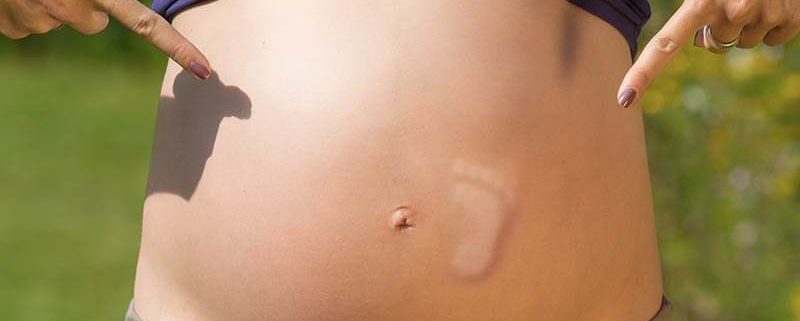
Baby Kicks in the Womb
One of the most exciting moments in your pregnancy is when you feel those first little flutters of your baby kicking. These tiny movements reassure you that your baby is developing and help you feel closer to the little life inside of you.
Though the womb is a tight space in which to exercise, it turns out that those kicks are vital for the baby’s healthy bone and joint development.
Feeling a baby moving and kicking in the womb might be a weird sensation, but it’s simply a sign of healthy development.
Fetuses begin moving in the womb about as early as 7 weeks, when they slowly bend their necks, according to a review paper published in the journal Ultrasound in Obstetrics & Gynecology. As the babies grow, they gradually add more movements to their repertoires, such as hiccupping, arm and leg movements, stretching, yawning, and thumb sucking. But the mom won’t feel the bigger movements such as kicks and punches until 16 to 18 weeks into her pregnancy when the baby is a bit stronger.
What Does the Baby’s Kicking Feel Like?
Pregnant women describe their baby’s movements as butterflies, nervous twitches, or a tumbling motion. At first, it may be hard to tell whether your baby has moved. Second- and third-time moms are more adept at distinguishing those first baby movements from gas, hunger, and other internal motions.
By your second and third trimesters, the movements should be more distinct, and you’ll be able to feel your baby’s kicks, jabs, and elbows. Babies in the womb are doing more than just kicking. By 15 weeks, the baby is also punching, opening and closing its mouth, moving its head, and sucking its thumb. A few weeks later, the baby will open and close its eyes. But the mother will feel only the major movements: kicking, punching and maybe big hiccups.
How Often Should I Feel My Baby Moving?
Babies tend to move more at certain times of the day as they alternate between alertness and sleep. They are usually most active between 9 p.m. and 1 a.m., right as you’re trying to get to sleep. This surge in activity is due to your changing blood sugar levels. Babies also can respond to sounds or touch, and may even kick your partner in the back if you snuggle too close in bed. Studies show that by the third trimester, the baby moves about 30 times each hour.
Should I Count My Baby’s Kicking? 
If you are counting, it helps to chart your baby’s kicks so that you can keep track of your baby’s normal patterns of movement. To count movements, pick a time when your baby is usually most active (often, this is right after you’ve eaten a meal). Get into a comfortable position either sitting down in a comfortable chair or lying on your side.
Opinion varies as to how to count your baby’s movements, but the American College of Obstetricians and Gynecologists recommends noting the time it takes for your baby to make 10 movements. You should feel at least 10 movements within a two-hour period.
Counting your baby’s kicks (and jabs and rolls!) is important because a change in movement in the third trimester is often the earliest sign of distress in a baby. When moms know what is normal for their baby, then they are more alert to potential red flags. We frequently hear from moms whose babies were saved because they noticed a change in their baby’s movement pattern and alerted their healthcare provider.
One study, published in 2001 in the journal Human Fetal and Neonatal Movement Patterns, found that boys may move around more in the womb than girls. The average number of leg movements was much higher in the boys compared to the girls at 20, 34 and 37 weeks, that study found. But the study’s sample size was small, only 37 babies, so Nowlan and her colleagues are hesitant to claim there’s a relationship between gender and fetal movement.
What if You Don’t Feel Your Baby Moving
If you haven’t yet reached 25 weeks and don’t feel your baby move, or you’re not sure that what you’re feeling is actually your baby, don’t panic. As your baby grows, you’ll be able to better distinguish his or her movements. You’ll also figure out at what times of the day your baby is most active. Some babies just naturally move less often than others.
A lack of movement also may mean that your baby is asleep. You may feel fewer kicks and jabs after the 32nd week as your baby gets bigger and has less room to move around in the uterus.
If you notice less movement during the day, Study suggests drinking a large glass of juice or a high-sugar drink and lying on your left side in a comfortable and quiet location. There is a good chance the baby will move with a sugar and hydration boost and wait for two hours to see if your baby’s movement becomes noticeable.
If your baby still doesn’t move within that two-hour period, you may contact your health care provider or obstetrician. You may get an ultrasound to make sure the amniotic fluid around the baby is normal and the baby’s muscle tone and reflexes are present. Your doctor may also put you on a heart monitor to carry out the ultimate test for your baby’s well-being.
Timeline of Baby Movement
Here is a guide to your baby’s possible movements.
Week 12: Your baby should start to move, but you probably won’t be able to feel anything, because the baby is still so small.
Week 16: Some pregnant women will start to feel tiny butterfly-like flutters. The feeling might just be gas, or it might be the baby moving.
Week 20: By this point in your baby’s development, you may start to really feel your baby’s first movements, called “quickening.”
Week 24: The baby’s movements are starting to become more established. You might also begin to feel slight twitches as your baby hiccups.
Week 28: Your baby is moving often now. Some of the kicks and jabs may take your breath away.
Week 36: Your uterus is getting crowded as the baby grows, and movements should slow down a bit. However, alert your healthcare provider if you notice significant changes in your baby’s usual activity. You should feel consistent movement throughout the day.
Resources:
https://www.webmd.com/baby/fetal-movement-feeling-baby-kick#1
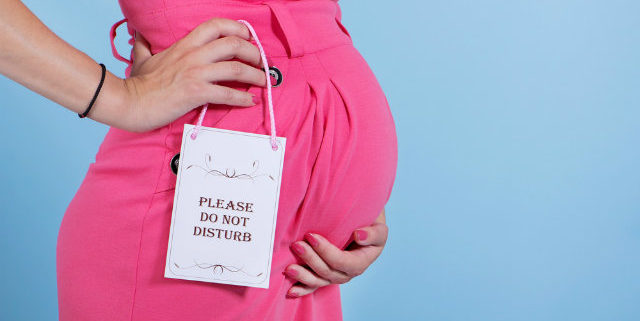
Mood Swings During Pregnancy and How to Cope
Pregnancy is a life-changing event full of physical and emotional changes. Understanding these changes will help you have a positive experience. Mood swings during pregnancy are common. You may be excited about being pregnant, but you can also be stressed or overwhelmed. You may have constant worries that contribute to your mood swings.
Mood swings during pregnancy are caused by a variety of factors, including your rapidly changing hormones, the physical discomforts of pregnancy, and the very normal worries of upcoming life change.
Here’s why you may experience emotional ups and downs during pregnancy and how to cope.
Pregnancy Hormones and Mood Swings
One big reason for pregnancy mood swings is your rapidly changing hormones. Specifically, estrogen and progesterone. Mood changes during pregnancy can also be caused by physical stresses, fatigue, changes in your metabolism. Significant changes in your hormone levels can affect your level of neurotransmitters, which are brain chemicals that regulate mood. Mood swings are mostly experienced during the first trimester between 6 to 10 weeks and then again in the third trimester as your body prepares for birth.
Many women look forward to pregnancy and motherhood at some point in their lifetime. But once you do become pregnant, whether the pregnancy was planned or not, your feelings may be different from what you expected. Women who anticipated feeling fearful may be surprised at ease; those who thought they were ready may suddenly feel unsure.
It’s not just estrogen that’s increasing. The hormone progesterone also rapidly increases during pregnancy, especially during the first three months. While estrogen is usually associated with energy (and too much of it associated with nervous energy), progesterone is associated with relaxation.
Remember to take good care of yourself, as you are the priority at the moment. In a few years, you might look back at these nine months and miss them greatly.
What Triggers Mood Swings
Hormones trigger mood swings during pregnancy, but it’s not only the hormones. The discomforts of pregnancy can cause emotional distress as well. For example, morning sickness during the first trimester. Fatigue is another common early pregnancy symptom and one that can cause mood swings. No one feels well emotionally when they are tired, and you may feel really tired during those first months of pregnancy.
During the second trimester, hormones are still changing but much less so than during the first three months. Most women feel more energy and don’t have morning sickness anymore. Still, there are potential emotional triggers. For one, during the second trimester, the body shape changes really kick in. Some women can avoid maternity clothing during the first trimester, but by the second, the need for extra room is unavoidable.
During the third trimester, getting comfortable at night can be a problem. Fatigue and difficulty with sleep can lead to mood swings. Fears and worries about the upcoming birth can get intense during the last trimester, along with worries about becoming a mother (or worries about mothering another child).
How to Cope With All These Mood Swings
Although all of the above are normal, you can take measures to lessen your mood swings during this exciting but stressful time:
- Stay physically healthy. Eat well, exercise and get plenty of rest. If you don’t feel well or are tired, you’re more likely to be anxious or upset.
- Become informed. For example, attend prenatal and childbirth classes and read books about pregnancy. Knowing what to expect, hearing from professionals and meeting other parents-to-be can help to alleviate stress.
- Share your thoughts and feelings with your partner, friends or family members.
- Avoid overextending yourself with home or work commitments.
What should I do to treat my mood swings?
It is important to understand you are not alone. Mood swings are just another aspect of the pregnancy experience. Knowing that what you are experiencing is normal and somewhat expected may help you cope.
When should I seek professional help?
If your mood swings last more than two weeks and do not seem to get better, you may want to ask your health care provider for a referral to a counselor. More than 11 million American women are affected by depression each year. Depression is most prevalent in women during childbearing years but can occur at any age.
Check with your healthcare provider before taking any medication for depression or mood swings, including herbal remedies. Always consult your healthcare provider before taking any drugs, over-the-counter or prescription, during pregnancy.
The information, including but not limited to, text, graphics, images and other material contained on this website are for informational purposes only. The purpose of this website is to promote broad consumer understanding and knowledge of various health topics. It is not intended to be a substitute for professional medical advice, diagnosis or treatment. Always seek the advice of your physician or another qualified healthcare provider with any questions you may have regarding a medical condition or treatment and before undertaking a new health care regimen, and never disregard professional medical advice or delay in seeking it because of something you have read on this website.
Resources: https://www.verywellfamily.com/mood-swings-during-pregnancy-4159590