
 ToronTek
Having A Baby at 40: Risks and Benefits You Need to Know
Understanding the Risks
Increased Medical Concerns
One of the most discussed aspects of having a baby at 40 is the increased risk of medical complications. These can include higher chances of gestational diabetes, high blood pressure, and pre-eclampsia. All of these conditions can pose significant risks to both mother and child and typically require close medical supervision.Genetic Risks
The risk of chromosomal abnormalities, such as Down syndrome, also increases with maternal age. According to the Down Syndrome Association, the risk of having a child with Down syndrome is approximately 1 in 100 at age 40, compared to 1 in 1,500 at age 20.Fertility Challenges
Fertility naturally declines with age, and women in their forties may find it harder to conceive. This is often due to a decrease in the quantity and quality of eggs. Many turn to fertility treatments, such as IVF, which can be costly and physically demanding.Considering the Benefits
More Stability and Experience
Many people in their forties are more financially and emotionally stable compared to their younger counterparts. This stability can provide a solid foundation for raising a child. Additionally, older parents often bring more life experience and patience, which are invaluable in parenting.Increased Support Networks
Older parents often have stronger, more established support networks. These can include relationships with healthcare providers, long-term friends, and community connections that can provide support and resources throughout the parenting journey.Better Health and Lifestyle
Many 40-plus individuals are more conscious of their health and lifestyle choices. This awareness can lead to healthier pregnancies, as older parents are often more committed to maintaining optimal health to support a healthy pregnancy.Planning for Pregnancy After 40
Consult with Healthcare Professionals
Before deciding to conceive, it is crucial to consult with healthcare professionals. They can provide a preconception checkup, offer genetic screening, and discuss fertility treatments if necessary.Consider Prenatal Testing
Advanced maternal age increases the recommendation for comprehensive prenatal testing. Tests such as amniocentesis or chorionic villus sampling (CVS) can provide information about the baby’s health and development.Embrace a Healthy Lifestyle
Maintaining a healthy lifestyle is essential, including eating a balanced diet, exercising regularly, and avoiding harmful substances. These habits can significantly affect both fertility and pregnancy health.Conclusion: A Well-Informed Decision
Having a baby at 40 is a decision that comes with unique challenges and rewards. While the risks associated with late pregnancy should not be underestimated, the benefits of increased life experience and stability can contribute to a positive parenting experience. By being well-informed and carefully preparing for the journey ahead, many find that having a baby at 40 is not just feasible but deeply fulfilling.Reference:
- American College of Obstetricians and Gynecologists (ACOG) – Later Childbearing – ACOG provides comprehensive information on the risks and precautions associated with having a baby later in life.
- March of Dimes – Age and Fertility – This page offers insights into how age affects fertility and pregnancy, as well as steps to take to maximize health for mother and baby.
- National Down Syndrome Society – Prenatal Down Syndrome Screening and Diagnosis – This resource provides detailed information on the risks of chromosomal abnormalities with increased maternal age and available screening methods.
- Mayo Clinic – Pregnancy after 35 – Mayo Clinic discusses the medical risks and benefits of pregnancy after 35 and provides tips for a healthy pregnancy.
Disclaimer
The information, including but not limited to, text, graphics, images and other material contained on this website are for informational purposes only. The purpose of this website is to promote broad consumer understanding and knowledge of various health topics. It is not intended to be a substitute for professional medical advice, diagnosis or treatment. Always seek the advice of your physician or another qualified healthcare provider with any questions you may have regarding a medical condition or treatment and before undertaking a new health care regimen, and never disregard professional medical advice or delay in seeking it because of something you have read on this website.
Tips for a Stylish Pregnancy: Embrace Your Bump with Confidence
Stylish pregnancy
Pregnancy is a special time in your life, filled with excitement and anticipation as you prepare to welcome a new member into your family. However, as your body changes, it might feel challenging to maintain your personal style while staying comfortable. Fear not! With the right strategies, you can look fabulous throughout your pregnancy. Here’s your ultimate tips for a stylish pregnancy, ensuring you look as good as you feel during this magical time.
1. Invest in Key Pieces
Maternity Jeans
A good pair of maternity jeans, with a supportive belly band, can be a staple of your pregnancy wardrobe. Opt for a versatile cut like skinny or boot-cut, and a wash that goes with everything.
Classic Tunics and Wrap Dresses
Tunics and wrap dresses not only flatter your growing bump but also ensure comfort. They can be dressed up or down depending on the occasion, making them perfect for any stage of your pregnancy.
2. Accessorize Wisely
Bold Jewelry
A statement necklace or a vibrant scarf can shift the focus to your upper body and add a pop of color to your outfit. Accessories are a great way to spice up your look without compromising on comfort.
Comfortable Shoes
As your pregnancy progresses, you might experience swollen feet. Invest in stylish yet comfortable footwear like ballet flats, fashionable sneakers, or supportive sandals. Ensure they are easy to wear and offer good support.
3. Embrace Layering
Cardigans and Blazers
Layering is not only stylish but practical. A chic blazer or a cozy cardigan can be easily added to any outfit, allowing you to adjust to changing temperatures and adding an elegant touch to more casual garments.
Stylish Outerwear
Consider a well-cut maternity coat or a trendy jacket that can accommodate your bump. Outerwear can make a significant impact on your overall look, especially in colder months.
4. Focus on Fabric and Fit
Choose Stretchy and Breathable Fabrics
Fabrics that stretch, like jersey or modal, can provide comfort and grow with your belly. Breathable materials like cotton help maintain comfort by keeping you cool.
Tailored Fit
Clothes that are tailored to fit your pregnancy shape can significantly enhance your overall appearance. Avoid oversized clothes that can make you look bulkier. Instead, choose outfits that highlight your best features.
5. Maintain Your Personal Style
Incorporating elements of your non-pregnancy wardrobe into your maternity wear is essential. If you love colors, don’t shy away from them during pregnancy. If you prefer a minimalist style, continue to embrace clean lines and neutral shades. Keeping true to your personal style will boost your confidence and make you feel more at home in your changing body.
6. Plan for Post-Pregnancy
Invest in clothes that can transition into post-pregnancy wear. Many maternity brands now offer nursing-friendly clothes that are stylish and functional, making them useful even after your baby is born.
Conclusion: Stylish and Comfortable
Following these tips for a stylish pregnancy will not only help you maintain your personal aesthetic but also ensure you are comfortable through each trimester. Pregnancy is a time to celebrate your body and the life it’s nurturing. Embrace this time with style and grace, and remember, confidence is your best accessory.
Disclaimer
The information, including but not limited to, text, graphics, images and other material contained on this website are for informational purposes only. The purpose of this website is to promote broad consumer understanding and knowledge of various health topics. It is not intended to be a substitute for professional medical advice, diagnosis or treatment. Always seek the advice of your physician or another qualified healthcare provider with any questions you may have regarding a medical condition or treatment and before undertaking a new health care regimen, and never disregard professional medical advice or delay in seeking it because of something you have read on this website.
References:
- Motherhood Maternity – This site provides a wide range of maternity clothing that combines comfort with style, from jeans to professional wear.
- ASOS Maternity – ASOS offers trendy maternity wear that keeps up with the latest fashion trends, ensuring that style-savvy moms-to-be find pieces that suit their fashion sense.
- Hatch Collection – Hatch Collection is known for its chic, timeless pieces designed to be worn at all stages of pregnancy and beyond, perfect for those looking for an investment in style.
- The Bump – Maternity Clothes – This resource provides tips on how to buy maternity clothes, including what to look for and the best pieces to invest in during pregnancy.

Urinary Tract Infection During Pregnancy: What You Need to Know
Pregnancy brings many changes to your body, and among these are changes that can increase your risk of urinary tract infections (UTIs). Understanding how to recognize, treat, and prevent urinary tract infection during pregnancy is essential for maintaining both your health and the health of your baby. This blog explores the causes, symptoms, treatments, and preventive measures for UTIs during pregnancy.
What is a Urinary Tract Infection?
A urinary tract infection is an infection in any part of the urinary system, including kidneys, ureters, bladder, and urethra. Most infections involve the lower urinary tract — the bladder and the urethra. Women are at greater risk of developing a UTI than men, and the risk increases during pregnancy due to changes in the urinary tract.
Causes and Risk Factors
During pregnancy, the expanding uterus puts pressure on the bladder and urinary tract, which can lead to incomplete emptying of the bladder and a higher risk of infection. Hormonal changes also play a role, as they can alter the balance of bacteria in the urinary tract.
Symptoms of UTI During Pregnancy
- A burning sensation during urination
- Frequent or intense urges to urinate, even when the bladder is empty
- Cloudy, dark, bloody, or strange-smelling urine
- Pelvic pain, especially in the center of the pelvis and around the area of the pubic bone
Treatment Options
It’s important to treat a UTI during pregnancy to avoid complications such as kidney infections, which can lead to premature labor and low birth weight. Treatment typically involves a course of antibiotics that are safe for use during pregnancy. Your healthcare provider will select an antibiotic that best addresses the infection while keeping you and your baby safe.
Preventive Measures
- Drink plenty of fluids, especially water, to dilute your urine and help flush bacteria from your urinary tract.
- Wipe from front to back after using the toilet to prevent bacteria from spreading.
- Empty your bladder frequently and completely, especially before and after sex.
- Avoid irritants like harsh soaps and body washes in the genital area.
- Wear cotton underwear and loose-fitting clothing to keep the area around your urethra dry.
When to See a Doctor
If you suspect you have a UTI, contact your healthcare provider immediately. Early treatment can prevent most complications associated with urinary tract infections during pregnancy.
Conclusion
Understanding and managing urinary tract infections during pregnancy is crucial for your health and that of your baby. With the right knowledge and proactive management, you can treat and prevent UTIs and enjoy a healthier pregnancy.
Disclaimer
“The information, including but not limited to, text, graphics, images and other material contained on this website are for informational purposes only. The purpose of this website is to promote broad consumer understanding and knowledge of various health topics. It is not intended to be a substitute for professional medical advice, diagnosis or treatment. Always seek the advice of your physician or another qualified healthcare provider with any questions you may have regarding a medical condition or treatment and before undertaking a new health care regimen, and never disregard professional medical advice or delay in seeking it because of something you have read on this website.”
External References
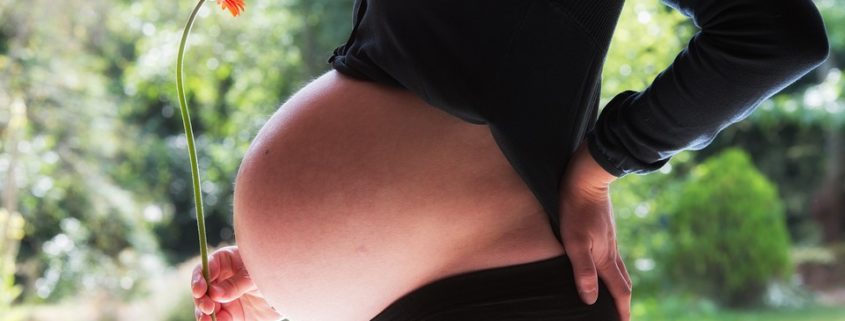
Preventing Pregnancy Stretch Marks: Essential Tips and Strategies
Pregnancy is a miraculous time, but it can also bring about significant changes to your body, one of which is stretch marks. These marks are a common concern for many expectant mothers. While completely preventing stretch marks might not be possible for everyone due to genetic and other physiological factors, there are proactive steps you can take to minimize their appearance. This article delves into effective strategies for preventing pregnancy stretch marks, helping you maintain skin health and confidence throughout your pregnancy.
What Causes Stretch Marks During Pregnancy?
Stretch marks, or striae gravidarum, typically appear as bands of parallel lines on your skin. These lines are a different color and texture than your normal skin, and they range from purple to bright pink to light gray. When you touch stretch marks, you might feel a slight ridge or indentation on your skin. They occur when the skin is suddenly stretched and are extremely common in the later stages of pregnancy.
Key Strategies for Prevention
1. Maintain a Healthy Diet
Eating a diet rich in vitamins and minerals helps support skin health. Ensure you’re getting enough vitamins C, D, and E, and zinc and protein. These nutrients are crucial for skin elasticity and overall health. Include plenty of fruits, vegetables, whole grains, and lean proteins in your diet to aid in maintaining skin elasticity.
2. Stay Hydrated
Keeping your skin hydrated decreases the likelihood of stretch marks. The more hydrated your skin, the less likely it is to tear when stretched. Drinking water is the best way to keep your body hydrated; aim for at least 8-10 glasses a day.
3. Control Weight Gain
A steady and controlled weight gain throughout pregnancy helps manage skin stretching. Gaining weight at a recommended pace decreases the stress on the skin. Consult with your healthcare provider to understand the appropriate amount of weight you should be gaining based on your body type.
4. Use Stretch Mark Creams and Oils
Regularly applying creams and oils specially formulated for pregnancy can help maintain skin elasticity and moisture. Products containing cocoa butter, vitamin E, and hyaluronic acid are popular choices. Begin application early in pregnancy and continue until after you have given birth for best results.
5. Stay Active
Regular exercise helps maintain a healthy weight and increases blood flow, which is beneficial for skin health. Activities like walking, swimming, and prenatal yoga are great options.
When to Consult a Dermatologist
If you’re concerned about stretch marks or if they cover large areas of your body, consulting with a dermatologist can provide additional treatment options, such as topical treatments or laser therapy.
Conclusion
While stretch marks can be a common part of pregnancy, adopting these preventive measures can help reduce their severity and give you confidence in your changing body. Remember, the appearance of stretch marks can vary widely from person to person, and having them is perfectly normal and natural.
Disclaimer
“The information, including but not limited to, text, graphics, images and other material contained on this website are for informational purposes only. The purpose of this website is to promote broad consumer understanding and knowledge of various health topics. It is not intended to be a substitute for professional medical advice, diagnosis or treatment. Always seek the advice of your physician or another qualified healthcare provider with any questions you may have regarding a medical condition or treatment and before undertaking a new health care regimen, and never disregard professional medical advice or delay in seeking it because of something you have read on this website.”
External References

Postpartum Hair Loss
Causes
While breastfeeding is often blamed for hair loss, there is no evidence to show that breastfeeding causes or increases hair loss in the postpartum period. Unfortunately, this is a symptom that almost all moms will experience. While this condition can become extreme (called Postpartum Alopecia) some hair loss is normal and a natural part of postpartum. Most moms will experience this symptom somewhere around three months postpartum. It can last a few weeks or a few months, depending on how long your hair cycles last. Often moms forget that they are still considered postpartum by this point and don’t think to relate childbirth to this symptom. Blame it on hormones. During pregnancy, estrogen increases, which typically encourages hair growth and improves texture. But in the postpartum period, estrogen levels drop. Plus, you may have vitamin deficiencies lingering from pregnancy. All these factors along with the exhaustion that accompanies being a new parent can lead to hair loss. The other reason is that when you are pregnant your hair goes into a dormant cycle and you lose less hair. This is called the telogen phase. Eventually, your hair will go into the next phase (telogen effluvium) and fall out. Therefore, when you have the baby you start losing all of the hair that you didn’t lose when you were pregnant. The hair loss and regrowth will probably be most apparent in the area above your forehead. If you gained a lot of extra hair when you were pregnant, this can look quite dramatic.How to Handle Postpartum Shedding
It’s normal for your hair to thin out after pregnancy. If it’s not worrying you, you don’t need to do anything to treat it. And, unfortunately, there is nothing that has been shown to prevent or slow postpartum hair loss. But if your hair loss is bothering you, there are treatments you can try to make your hair appear fuller and healthier.- Skip the styling
- Consider a haircut
- Eat right
- Switch up your product routine
- Take your vitamins
When to Talk to Your Practitioner
Usually, by the time your hair begins to thin, you have already had your postpartum checkup with your doctor or midwife. If your shedding becomes extreme or you are losing large patches of hair, call your practitioner and mention it. Occasionally hair loss is the sign of other postpartum issues, like hypothyroidism. You want to be sure to rule those out. If you are still losing hair around your baby’s first birthday, call your practitioner. Typical hair loss does not usually continue that long into the postpartum period.Disclaimer
The information, including but not limited to, text, graphics, images and other material contained on this website are for informational purposes only. The purpose of this website is to promote broad consumer understanding and knowledge of various health topics. It is not intended to be a substitute for professional medical advice, diagnosis or treatment. Always seek the advice of your physician or another qualified healthcare provider with any questions you may have regarding a medical condition or treatment and before undertaking a new health care regimen, and never disregard professional medical advice or delay in seeking it because of something you have read on this website.
Things Every Partner Should Do for a Mom-To-Be
It’s fair to say that women do most of the work when it comes to pregnancy. After all, your baby has set up camp in your partner’s uterus, so she is the one who will be peeing every twenty minutes, struggling to get comfy at night, and giving birth. Your lack of uterus puts you on the bench, but you can still be a team player when it comes to pregnancy. You are charged with the vital role of providing support, being a shoulder to cry on and, of course, getting the snacks.
“Your partner may be doing the heavy lifting (or carrying) for the next nine months, but she’ll need a lot of support from her partner, too.”
While pregnancy and giving birth is Mom’s job, there are a number of ways that you, as her partner, can share the load, too. And guess what? It’s a lot more fun that way. After all, it took two to start this journey!
Here are some roles for dads these days during pregnancy: 

- Take over some of the household chores.
As your partner’s bodies adapt to the rigors of pregnancy, some of the household chores get impossible for them. The fumes of cleaning solutions can be nauseating if not toxic, so cleaning toilets and tubs may need to fall to dad. Vacuuming and mopping can be really hard when mom’s body is already tired or the baby bump gets in the way. Offering to take this off our pregnant partner (especially before she has to ask) can help alleviate a lot of stress and anxiety.
- Prioritize Her
The relationship a pregnant woman has with her partner is very important. A large study in Scandinavia recently identified that the single biggest factor in antenatal anxiety was a woman’s relationship with her partner, and there’s also a big link between mood disorders antenatally and postnatally. Life can get busy sometimes. There are only so many hours in each day, and yet so much to be packed in. There are work demands, social activities, family to see, and a relationship to nurture. It can be pretty exhausting, and you may at times wonder whether you are neglecting certain areas of your life. Make sure that you are prioritizing your relationship throughout the pregnancy. Make time for her, make the effort, and check in to find out how she’s doing.
- Create Some Memories
You will soon be a family of three, and though you will find that life becomes more wonderful and rich than ever before, it’s true to say that it will never be the same again. The lazy mornings in bed, the carefree nights out, and the impromptu weekends away will be scarce, at least for a few years. Now is the perfect time to create some special memories together. Take a trip away, spend a weekend lounging in bed, and head off into the countryside for walks. Do whatever you want, just make sure you do it together.
- Learn about the process with her
Many dads find themselves detaching from the pregnancy process, in part because they haven’t taken the time to learn about it. Go with your child’s mom to prenatal classes and doctor’s appointments. Read books or watch videos about the process of pregnancy. Learn about the labor and delivery process and talk with other fathers about their experiences. Getting more involved in becoming educated about the pregnancy process will help be a support to mom through her experience.
- Support her emotionally.
Hormones you didn’t know existed will begin to manifest themselves in strange ways during pregnancy. Your partner may cry a lot or have moments of total exhilaration. Things that used to be simple and routine now are laden with emotions, both positive and negative. Recognize that these are all natural and to be expected, and that, for the most part, they will not last beyond labor and delivery. Patience, understanding, active listening and just holding her when she wants to be held are big things that will sustain her emotional needs during her pregnancy.
- Listen and Talk
Pregnancy and childbirth can be a lot to handle especially for first-timers. So make sure your partner knows she can vent to you about all those little (and big!) changes going on now, nerves about an upcoming procedure, anxiety about what kind of mom she’ll be, annoyance at her puffy feet. Even if you think her concerns are outsized or illogical, keep the thought to yourself. Don’t tell her to “stop worrying” or “chill out.” Instead, listen to her, offer to help her find information, go to doctor appointments with her, or take an afternoon off to have some fun together. And since you’re a team, don’t hold back on sharing your fears, too. Remember, it’s totally normal if the ride doesn’t feel quite as carefree as usual: Speak up, and things will go a lot more smoothly for both of you.
- Be There at all times possible
Tell Her She’s Beautiful, Run Her A Bath, Give Massages, Be Understanding. Many women find it difficult to cope with the changes to their body during pregnancy. She may be worried about stretch marks, concerned about weight gain, or just be feeling not much like her old self. Tell her when she looks great, compliment her on her bump, and make sure she knows just how much you love her. It’s important that you reaffirm her. Sometimes, pregnancy sucks. Give her a break. Pregnancy has its fair share of ups and downs, but you can make it much easier by cutting her a little slack.
Long gone are the days when fathers-to-be are left waiting in the wings to hear the announcement of their child’s birth by doctors and nurses. Instead, more men than ever are playing an active role in the birth of their child. They are keen to learn all they can, in order to help their partner during labour.
Here are some roles for dads these days during Labour: 

- Before The Birth
Prior to your partner going into labour, it’s a good idea to discuss her birth preferences with her if you haven’t sat down and thought it through with her already. It’s important for you to know what she might like you to do for her in labour bearing in mind that her preferences may actually change when it actually happens! A massage, while she is in labour, might sound wonderful now, however during labour, she might not want to be touched at all. So it’s useful to keep this in mind. When your partner is in labour, you can reaffirm her requests with her then.
- Share the Coaching
Labor can be a long, hard haul for both of you. You may want to have a friend or family member there to assist. This person can help with coaching and stay with your partner when you need to eat or take breaks. An extra person can provide emotional and physical support for both of you.
- Cheer From the Sidelines
Many couples choose this option. You’re there to hold your partner’s hand and rub her back. You may snap pictures or take videos of your baby’s birth. You may even cut the umbilical cord. But you’re happy to let others do the hands-on work. Jeffrey Kuller, MD, professor of obstetrics and gynecology at Duke University Medical Center, says that providing support is actually the most important thing dads can bring to the labor and delivery. “Dads don’t really need to be the coach,” Kuller says. “That’s what we’re supposed to do.”
- Wait Outside
In some cases, a woman doesn’t want her baby’s father there. If you haven’t been involved in the pregnancy or are estranged from her, there’s a good chance she won’t. Whatever the reason, if your presence in the room makes it stressful for her, it can make labor and delivery more difficult. Then it’s better for you to be elsewhere.
For most dads, though, being with their partner is a good choice. In one study of how new fathers viewed the experience, 81% said it was rewarding and enjoyable. Regardless of how involved you choose to be, witnessing that final push that sends your child into the world can be an experience like no other.
- Look After Her
After birth, your partner will need time to recover. She will be exhausted, sore and hormonal, and will be relying on you for support. Help with the baby, and do as many nappy changes as you can. If she’s breastfeeding, make sure that she feels supported, and seek help for her if she is struggling. Cook meals, help your partner get some sleep, and make sure she knows just how much you love her.
Pregnancy is challenging at best, but it brings with it a sense of awe and wonder if you work hard at making it a process where you can feel those things. Being supportive physically and emotionally, learning all you can about the process, covering the needed bases and focusing on preparation will help keep your relationship strong and help you have a sweeter experience together as you anticipate expanding your family circle.