

10 Signs of Approaching Labor
While there are characteristic changes in the body with impending labor, every woman’s experience is unique and different. “Normal” can vary from woman to woman. The signs and symptoms of normal labor can begin three weeks prior to the anticipated due date up until two weeks afterward, and there is no precise way to predict exactly when a woman will go into labor.
“It’s the event you’ve been happily (and nervously) anticipating for months: Your baby’s birth! “
How will you know when it’s time to grab your hospital bag and get to the delivery room? Thankfully, your body will give you some solid clues.
Here are 10 common signs that labor is near.
- The baby drops
Medically known as “lightening,” this is when the baby “drops.” The baby’s head descends deeper into the pelvis and is getting into position to make his exit. For some women, this occurs up to 2 weeks prior to the beginning of labor; other women may not notice this event at all. In subsequent births, this “lightening” doesn’t often happen until you’re truly in labor.
- An increased urge to urinate
An increased urge to urinate can be a result of the baby’s head dropping into the pelvis. The low position of the baby’s head puts even more pressure on the urinary bladder, so many women approaching labor might feel a frequent need to urinate. As the baby drops, breathing can become easier since there is less pressure on the diaphragm from underneath.
- The mucus plug passes
Passage of the mucus plug is a known sign that labor is near. Thick mucus produced by the cervical glands normally keeps the cervical opening closed during pregnancy. This mucus plug must be expelled before delivery. It can come out in one large piece (it looks similar to the mucus in your nose) or lots of little ones, though you may not get a glimpse of it at all and some women don’t lose it before delivery. Pressure from the baby’s head causes the mucus plug to be expressed from the vagina, sometimes as blood-tinged vaginal discharge (referred to as “bloody show”) and is a good indication that labor is imminent, but without contractions or dilation of three to four centimeters, labor could still be a few days away.
- The cervix dilates
Your cervix, too, is starting to prepare for birth. Dilation of the cervix is a sign that labor is approaching, although this is detected by the health-care professional during a pelvic examination. This begins in the days and even weeks prior to the onset of labor; “Fully dilated” means the cervix has dilated to a width of 10 cm. But everyone progresses differently, so don’t be discouraged if you’re dilating slowly or not at all yet.
- Thinning of the cervix
In addition to dilation, thinning (effacement) of the cervix also occurs. This occurs in the weeks prior to labor, since a thinned cervix dilates more easily. This sign is also detected by the health-care professional during a pelvic exam.
- Back pain
Contractions can often begin in the back and move forward to the pelvis. And some women do experience “back labor,” which is characterized by severe discomfort in the lower back that is most intense during contractions and often painful between contractions. Women also notice loosening of the joints, particularly in the pelvic area, as the third trimester progresses, in preparation for delivery.
- Contractions
It’s inevitable—at some point, you’ll realize that crampy feeling you’re having might be more than just cramps. They’ll change to regular contractions, which indicate your body is beginning the process of a birthing baby. Contractions, which can vary among women and can be described as pounding, tightening, stabbing, or similar to menstrual cramps, increase in strength and frequency as labor approaches.
Irregular contractions, known as Braxton-Hicks contractions or “false labor” occurs toward the end of pregnancy during the third trimester. Braxton-Hicks contractions are usually milder than those of true labor, and they do not occur at regular intervals. The best thing to do? Relax, get comfortable or perhaps take a shower. Time the contractions and head to the hospital or birthing center when they become about five minutes apart.
- Burst of energy
Many women describe feeling a sudden burst of energy and excitement in the weeks prior to labor, in contrast to feeling extra tired as is typical of pregnancy. Often referred to as “nesting,” this impulse often is accompanied by a sense of urgency to get things done or make plans for the baby.
- Nausea and diarrhea
Just as the muscles in your uterus are relaxing in preparation for birth, so too are other muscles in your body, including those in the rectum. And that can lead to diarrhea, that pesky little labor symptom you may well have experienced at other times during pregnancy. Though annoying, it’s completely normal; stay hydrated and remember it’s a good sign!
- Your water breaks
Despite what movies will have us believe, how your water breaks (in other words, how the membranes of the amniotic sac burst) can vary a lot.
If your water breaks and you’re experiencing contractions, this is one of the biggest signs of labor. But if contractions haven’t set in yet, your doctor may want you to wait a few hours before coming in. Rupture of the amniotic membranes, or one’s “water breaking,” usually is a sign that labor has begun. Amniotic fluid should be colorless and odorless. It can sometimes be hard to distinguish from urine, but amniotic fluid does not have an odor. If you are leaking amniotic fluid, it is essential to contact your health-care professional right away.
Should I Call the Doctor?
It’s not necessarily your due date—that’s just an estimate, and there’s really no telling exactly when the baby will arrive. Keep in mind too that some women may deliver before 37 weeks (which would be considered a preterm birth); others, who go past 41 weeks, may wind up getting induced, depending on your doctor and your hospital’s policies.
If you think you’re going into labor, your practitioner should have advised you on what to do when your contractions become regular: “Call me when they’re coming about five minutes apart for at least an hour,” for example. Contractions won’t all be exactly spaced, but if they are becoming pretty consistent, more painful and longer (usually around 30 to 70 seconds), it’s time to check in with your doc. If you think you might be in labor but aren’t sure, get on the phone; your provider can advise you on what’s going on. Don’t feel embarrassed or worry about calling outside of office hours (your doctor or midwife knew this would happen when she got into the baby-catching business!).
You should always call if:
- You experience any bleeding or bright-red discharge (not brown or pinkish).
- Your water breaks — especially if the fluid looks green or brown; this could be a sign that meconium is present (which is your newborn’s first stool; it can be dangerous if your baby ingests it during birth).
- You experience blurred or double vision, a severe headache, or sudden swelling. These can be symptoms of preeclampsia, which is characterized by pregnancy-induced high blood pressure and requires medical attention.
The information, including but not limited to, text, graphics, images and other material contained on this website are for informational purposes only. The purpose of this website is to promote broad consumer understanding and knowledge of various health topics. It is not intended to be a substitute for professional medical advice, diagnosis or treatment. Always seek the advice of your physician or another qualified healthcare provider with any questions you may have regarding a medical condition or treatment and before undertaking a new health care regimen, and never disregard professional medical advice or delay in seeking it because of something you have read on this website.
Resources:https://www.medicinenet.com/early_signs_and_symptoms_of_labor/article.htm#7_contractions

Maintaining a Healthy Pregnancy
A woman’s health is essential to the good health of her baby. Now that you know you’re pregnant, it’s more important than ever to take care of yourself both physically and emotionally. You can boost your chances of having a problem-free pregnancy and a healthy baby.
Women who eat well and exercise regularly along with regular prenatal care are less likely to have complications during pregnancy. They’re also more likely to successfully give birth to a healthy baby.
Nutrition 

Now that you’re eating for two, you may be surprised to learn that you only need about 300 additional calories per day. Make sure you get plenty of protein. You now need 70 grams a day compared to 45 grams before you got pregnant. And while your calcium requirement remains the same, it’s more important than ever that you meet it, which is a challenge for many women.
Eating a nutritious diet during pregnancy is linked to good fetal brain development, a healthy birth weight, and it reduces the risk of many birth defects.
A balanced diet will also reduce the risks of anemia, as well as other unpleasant pregnancy symptoms such as fatigue and morning sickness. Good nutrition is thought to help balance mood swings and it may improve labor and delivery as well.
- At least five portions of fruit and vegetables daily. Fresh, frozen, canned, dried or juice all count.
- Starchy foods (carbohydrates), such as bread, pasta, and rice. Carbohydrates need to make up just over a third of what you eat. Choose whole grain varieties rather than white, so you get plenty of fiber.
- Daily servings of protein, such as fish, lean meat, eggs, beans, nuts or pulses.
- Dairy foods, such as milk, cheese, and yogurt.
- Two portions of fish a week, at least one of which should be oily, such as salmon, sardines or mackerel.
Fish is full of protein, vitamin D, minerals and omega-3 fatty acids, which are important for the development of your baby’s nervous system. If you don’t like fish, you can get omega-3 fatty acids from other foods, such as nuts, seeds, soya products and green leafy vegetables.
Stay well hydrated too. The amount of water in your body increases during pregnancy to help you maintain healthy blood pressure levels.
Weight gain
A simple way to satisfy your nutritional needs during pregnancy is to eat a variety of foods from each of the food groups every day.
Many women are concerned about how much weight they will gain during pregnancy. If your weight was in the normal range before you got pregnant, a weight gain of 25 to 35 pounds is recommended. It’s important to discuss and monitor your weight and nutritional needs with your doctor throughout the pregnancy. Weight gain recommendations will vary for women who are underweight before conceiving, for those who are obese, and for those with multiple pregnancies, such as twins.
What not to eat 

To protect mom and baby from bacteria or parasitic infection, such as Listeriosis, make sure that all milk, cheese, and juice are pasteurized. Don’t eat meat from the deli counter or hot dogs unless they are thoroughly heated. Also avoid refrigerated, smoked seafood and undercooked meat, poultry, and seafood. If you or someone in your family has had a history of allergies, speak to your doctor about any foods to avoid.
Prenatal vitamins 

Most nutrients needed during pregnancy should come from food, but prenatal vitamin supplements play an important role. Pregnant women are often too busy to plan three nutrient-filled meals every day, and a vitamin supplement can provide the extra nutrition that the developing fetus needs.
Folic acid (folate) is a B vitamin that is very important for pregnant women. Folic acid supplements are taken several weeks prior to pregnancy and for the first 12 weeks of pregnancy have been found to lower the risk of having a child with a neural tube defect such as spina bifida.
 Most prenatal vitamins contain 1 milligram of folic acid. Talk to your doctor before you start taking prenatal vitamins. They can help you decide which type is best for you.
You also need a daily supplement of 10mcg of vitamin D. Vitamin D is important for the development of your baby’s skeleton and future bone health.
If you’re worried you’re not eating well, or you’re too sick to eat much, you may want to take your folic acid and vitamin D in a multivitamin.
Exercise
Moderate exercise is not only considered safe for pregnant women, it’s encouraged and thought to benefit both mom and growing baby. Exercising 30 minutes a day is proven to help circulation, strengthen muscles, and decrease stress. However, it’s important to talk to your doctor before starting any exercise regime, particularly if you are in a high-risk category. If you were not physically active before getting pregnant, talk with your doctor about what exercise you can do during your pregnancy. 
For the majority of normal pregnancies, exercise can:
- increase energy levels
- improve sleep
- strengthen muscles and endurance
- reduce backaches
- relieve constipation
Aerobic exercises, such as walking, jogging, and swimming, stimulate the heart and lungs as well as muscle and joint activity, which help to process and utilize oxygen. Aerobic activity also improves circulation and increases muscle tone and strength.
There are many exercise classes designed specifically for pregnant women that help to build strength, improve posture and alignment, and promote better circulation and respiration.
Squatting and Kegel exercises should be added to the exercise routine. Kegel exercises focus on the vaginal and perineal muscles. The exercise is done in the same way a woman stops and starts the flow of urine. The perineal muscle is tightened for a count of three and then the muscle is slowly relaxed. The period of time the muscle is contracted can be increased over time as muscle control becomes easier. Relaxing the perineal muscles can help during the birth of the baby. Kegel exercises are thought to help women maintain good muscle tone and control in the perineal area, which can aid in delivery and recovery after birth.
A good exercise program can give you the strength and endurance you’ll need to carry the weight you gain during pregnancy, help prevent or ease aches and pains, improve sluggish circulation in your legs, and help you handle the physical stress of labor. It will also make getting back into shape after your baby’s born much easier.
Get some Rest
 The fatigue you feel in the first and third trimesters is your body’s way of telling you to slow down. So listen up and take it easy as much as you can. If you can’t swing a nap in the middle of the day, give yourself a break and let your other responsibilities slide a little. If you can’t sleep, at least put your feet up and read a book or leaf through a magazine.
Relaxation techniques such as yoga, stretching, deep breathing, and massage are all great ways to combat stress and get a better night’s sleep.
Cutting out BAD habits
- Say no to alcohol: Don’t drink while you’re pregnant: Any alcohol you drink reaches your baby rapidly through your bloodstream, crossing the placenta, and your baby can end up with higher levels of blood alcohol than you have. Drinking also increases your risk for miscarriage and stillbirth. So play it safe — avoid alcohol completely

- Swear off all illicit drugs: Any drug you use gets into your baby’s bloodstream as well. Some studies suggest that marijuana may restrict your baby’s growth and cause withdrawal symptoms (like tremors) in your newborn. Using cocaine is extremely dangerous. It restricts the flow of blood to the uterus and may lead to miscarriage, growth problems, placental abruption, or premature delivery. Your baby could be stillborn or have birth defects or developmental and behavioral problems.
 Stop smoking: Some research has even linked smoking to an increased risk of having a baby with a cleft lip or palate. Not convinced yet? Smoking during pregnancy increases the chance that a baby will be stillborn or die in infancy.
- Cut back on caffeine: caffeine has no nutritive value and makes it harder for your body to absorb iron, something pregnant women are already low on. It’s also a stimulant, so it can make it even harder for you to get a good night’s sleep, give you headaches, and contribute to heartburn. Limit your coffee drinking or consider switching to decaf.
- Eliminate environmental dangers: Some jobs can be hazardous to you and your developing baby. If you’re routinely exposed to chemicals, heavy metals (like lead or mercury), certain biologic agents, or radiation, you’ll need to make some changes as soon as possible.

Take care of your emotional health
Many women feel like they’re on an emotional roller coaster at one time or another during pregnancy. But if your mood swings are extreme or interfering with your daily life, you may be suffering from depression, a relatively common condition. Share your feelings with your caregiver so you can get a referral for professional help.
The information, including but not limited to, text, graphics, images and other material contained on this website are for informational purposes only. The purpose of this website is to promote broad consumer understanding and knowledge of various health topics. It is not intended to be a substitute for professional medical advice, diagnosis or treatment. Always seek the advice of your physician or another qualified healthcare provider with any questions you may have regarding a medical condition or treatment and before undertaking a new health care regimen, and never disregard professional medical advice or delay in seeking it because of something you have read on this website.
Resources: https://www.healthline.com/health/pregnancy/healthy-pregnancy#prenatal-care
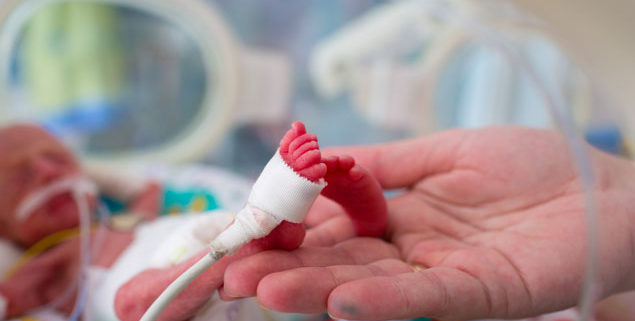
Premature Birth Complications
A typical pregnancy lasts about 40 weeks, yet some babies arrive sooner. Babies born before the 37th week of gestation are considered premature. Premature newborns are sometimes referred to as “preemies”. Mothers who have their baby prematurely are often frightened and nervous. Premature newborns face an increased risk of one or more complications.
While some premature babies have serious medical complications or long-term health problems, many also go on to live normal healthy lives. With modern medicine and new technologies, babies are often able to survive when born earlier during the pregnancy.
The Most Common Complications of Premature Births
Breathing problems 

Breathing problems in premature babies are caused by an immature respiratory system. Immature lungs in premature babies often lack surfactant. This substance is a liquid that coats the inside of the lungs and helps keep them open. Without surfactant, a premature baby’s lungs can’t expand and contract normally. This increases their risk for respiratory distress syndrome.
Some premature babies who lack surfactant may need to be put on a ventilator (breathing machine). Babies who are on a ventilator for a long time are at risk of developing a chronic lung condition called bronchopulmonary dysplasia. This condition causes fluid to build up in the lungs and increases the likelihood of lung damage.
Transient tachypnea is rapid shallow breathing. This can occur in both premature babies as well as full-term babies. Recovery usually takes three days or less. Until the newborn has recovered, feedings may be altered, and in some cases, intravenous feedings may be done. There is usually no other treatment necessary.
apnea and Bradycardia – Apnea is the absence of breathing. In the NICU an alarm will sound if a newborn develops an irregular breathing pattern of pauses longer than 10-15 seconds. Bradycardia is the reduction of heart rate.
An alarm will also sound if the newborn’s heart rate falls below 100 beats per minute. Usually, a little tap or simple rub on the back helps remind the preemie to breathe and also increases the heart rate.
Treatment: While being on a ventilator for an extended period of time may injure a baby’s lungs, it still may be necessary for the baby to receive continued oxygen therapy and ventilator support. Doctors may also use diuretic and inhaled medications.
Jaundice 

The most common type of jaundice among premature babies is exaggerated physiologic jaundice. In this condition, the liver can’t rid the body of bilirubin. This substance is produced during the normal breakdown of red blood cells. As a result, bilirubin accumulates in the baby’s blood and spreads into the tissues. Because bilirubin is a yellowish color, the baby’s skin takes on a yellowish tint.
Jaundice is usually not a serious problem. However, if the bilirubin level gets too high, it can cause bilirubin toxicity. The substance can then build up in the brain and cause brain damage.
Ask your doctor or nurse for your baby’s bilirubin level. Normal levels of bilirubin in a newborn should be under 5 mg/dL. Many preterm babies, however, have bilirubin levels above that number. Bilirubin levels are not dangerous until they reach levels above 15-20 mg/dL, but phototherapy is generally started before levels get that high.
Treatment: The standard treatment for jaundice is phototherapy. This involves placing a baby under bright lights. The lights help break down the bilirubin into a substance that the body can get rid of more easily. Usually phototherapy is needed for less than a week. After that, the liver is mature enough to get rid of bilirubin on its own.
Kidney problems
A baby’s kidneys usually mature quickly after birth, but problems balancing the body’s fluids, salts, and wastes can occur during the first four to five days of life. This is especially true in babies less than 28 weeks into development.
During this time, a baby’s kidneys may have difficulty:
- filtering wastes from the blood
- getting rid of wastes without excreting excess fluids
- producing urine
Because of the potential for kidney problems, neonatal intensive care unit (NICU) staff carefully record the amount of urine a baby produces. They may also test the blood for levels of potassium, urea, and creatinine.
Staff must also be watchful when giving medications, especially antibiotics. They need to make sure that the medicines are excreted from the body. If problems arise with kidney function, staff may need to restrict the baby’s fluid intake or give more fluids so that substances in the blood are not overly concentrated.
Treatment: The most common basic treatments are the fluid restriction and salt restriction. Immature kidneys usually improve and have a normal function within a few days.
Infections
A premature baby can develop infections in almost any part of the body. A baby may acquire an infection at any stage, ranging from in utero (while in the uterus), birthing through the genital tract, to after birth including the days or weeks in the NICU.
Regardless of when an infection is acquired, infections in premature infants are more difficult to treat for two reasons:
- A premature baby has a less developed immune system and fewer antibodies from the mother than a full-term baby. The immune system and antibodies are the body’s main defenses against infection.
- A premature baby often requires a number of medical procedures, including insertion of intravenous (IV) lines, catheters, and endotracheal tubes and possibly assistance from a ventilator. Each time a procedure is performed, there’s a chance of introducing bacteria, viruses, or fungi into the baby’s system.
If your baby has an infection, you may notice some or all of the following signs:
- lack of alertness or activity
- difficulty tolerating feedings
- poor muscle tone
- inability to maintain body temperature
- pale or spotted skin color, or a yellowish tint to the skin (jaundice)
- slow heart rate
- apnea (periods when the baby stops breathing)
These signs may be mild or dramatic, depending on the severity of the infection. As soon as there’s any suspicion that your baby has an infection, the NICU staff obtains samples of blood and often urine and spinal fluid to send to the laboratory for analysis.
Treatment: If there is evidence of infection, your baby may be treated with antibiotics, IV fluids, oxygen, or mechanical ventilation (help from a breathing machine). Although some infections can be serious, most babies respond well to treatments, including antibiotics if the infection is bacterial. The earlier your baby is treated, the better the chances of successfully fighting the infection.
Heart problems
The most common heart condition affecting premature babies is called a patent ductus arteriosus (PDA). The ductus arteriosus is the opening between two major blood vessels of the heart. In premature babies, the ductus arteriosus may remain open (patent) instead of closing as it should soon after birth. If this occurs, it can cause extra blood to be pumped through the lungs in the first days of life. Fluid can build up in the lungs, and heart failure can develop.
Treatment: Babies can be treated with the medication indomethacin, which causes the ductus arteriosus to close. If the ductus arteriosus remains open and symptomatic, an operation to close the duct may be required.
Brain problems 

Brain problems can also occur in premature babies. Some premature babies have intraventricular hemorrhage, which is bleeding in the brain. Mild bleeding doesn’t usually cause permanent brain injury. However, heavy bleeding may result in permanent brain injury and cause fluid to accumulate in the brain. Severe bleeding can affect a baby’s cognitive and motor function.
Treatment: Treatment for brain problems can range from medication and therapy to surgery, depending on the severity of the problem.
Long-term complications
Some premature birth complications are short-term and resolve within time. Others are long-term or permanent. Long-term complications include the following: 
- Cerebral palsy: Cerebral Palsy is a movement disorder that affects muscle tone, muscle coordination, movement, and balance. It’s caused by an infection, poor blood flow, or a brain injury during pregnancy or after birth. Often, a specific cause can’t be determined.
- Vision problems: Premature babies are at risk for retinopathy of prematurity. In this condition, blood vessels in the back of the eye become swollen. This can cause gradual retina scarring and retinal detachment, increasing the risks of vision loss or blindness.
- Hearing problems: Some premature babies experience some hearing loss. Hearing loss can sometimes be total, causing deafness. Many times, the exact cause hearing loss in premature babies is unknown.
- Dental problems: Dental issues can affect a premature baby later in life. These include tooth discoloration, delayed tooth growth, or improper alignment.
- Behavioral problems: Children born prematurely are more likely to have behavioral or psychological problems. These include attention-deficit disorder (ADD) and attention-deficit/hyperactivity disorder (ADHD).
- Impaired cognitive function: Premature babies are also at greater risk for long-term disabilities, which can be intellectual, developmental, or both. These children may develop at a slower rate than babies born full-term.
- Chronic health problems: In addition, premature babies have a greater risk for chronic health problems. They are more susceptible to infections and may suffer from other problems such as asthma or difficulty feeding. There’s also an increased risk of sudden infant death syndrome (SIDS) among premature infants.
Survival Rate
The earlier a baby is born, the greater the risk for short-term and long-term complications.
Length of pregnancy and Survival rate:
- 34+ weeks = Almost the same rates as a full-term baby
- 32-33 weeks = 95%
- 28-31 weeks = 90-95%
- 27 weeks = 90%
- 26 weeks = 80%
- 25 weeks = 50%
- 24 weeks = 39%
- 23 weeks = 17%
The information, including but not limited to, text, graphics, images and other material contained on this website are for informational purposes only. The purpose of this website is to promote broad consumer understanding and knowledge of various health topics. It is not intended to be a substitute for professional medical advice, diagnosis or treatment. Always seek the advice of your physician or another qualified healthcare provider with any questions you may have regarding a medical condition or treatment and before undertaking a new health care regimen, and never disregard professional medical advice or delay in seeking it because of something you have read on this website.
Resources:
https://www.healthline.com/health/pregnancy/premature-baby-complications#longterm-complications
http://americanpregnancy.org/labor-and-birth/premature-birth-complications/

How to Maintain a Healthy Lifestyle
Being healthy should be part of your overall lifestyle, not just a New Year’s resolution. Living a healthy lifestyle can help prevent chronic diseases and long-term illnesses. Feeling good about yourself and taking care of your health are important for your self-esteem and self-image. Maintain a healthy lifestyle by doing what is right for your body.
Although it’s hard to get out of old habits, a healthy lifestyle can give you more energy, improved mental health, and can increase your chances of defeating illnesses.
Here are five steps you can take to managing a healthier lifestyle:
Step 1 
Maintain a healthy weight. Determine whether you are overweight by checking your body mass index. If you are overweight, it can lead to a higher risk of chronic disease such as cardiovascular disease, diabetes, stroke and certain cancers.
Do not smoke and drink plenty of water. Smoking can cause preventable diseases such as lung cancer and other cancers. Stay away from secondhand smoke, since this can also be hazardous to your health. You can save money and improve your health by drinking water throughout the day. The natural liquid offers the benefits of hydration, nourishment, and improved well-being. Water can cleanse toxins from the body, improve brain function, energize muscles, control weight gain, and balance body temperature and fluids. It’s recommended to drink about 8 glasses, or 64 ounces, of water per day.
Step 2 
Stick with healthy food from each food group. This means staying away from food high in saturated fats, sodium and added sugars. Adding fruits and vegetables is a perfect foundation for starting a healthy routine. Vegetables, like leafy greens, and fruits contain plentiful amounts of nutrients such as vitamins and antioxidants that help boost your immune system and fight off disease causing toxins. Antioxidants help fight eye disease, promote healthy skin, and overall health. The World Health Organization recommends eating fruits and veggies as a regular part of your diet so you’ll have a better chance of fighting some cancers, diseases, and heart disease. Make sure to eat five to nine servings of varied veggie and fruits per day.
Step 3
When it comes to building a healthy lifestyle, it’s easy to concentrate on the physical aspects of health and ignore the mental upkeep. Remember that your mental health is a foundation of your overall health. It’s important to manage and assess your feelings on a day-to-day basis. Make sure your relationships are positive and healthy ones. Surround yourself with people who support you and who you feel good around. Your partner in life, friends and others who are in your life should respect you. If you find yourself in an unhealthy relationship, take steps to improve it or move on.
Some ways you can improve your mental health include: 
- Exercise
- Socialize with loved ones
- Join a club
- Sleep 7-9 hours every night
- Do something creative
If you continue to feel unhappy or even depressed, consult your physician or talk to a professional about ways you can improve your mental health.
Step 4
Engage in physical activity for at least 30 minutes every day. Take an exercise class, join the gym or just take a brisk walk outside. Making the time for physical activity is a necessity and not a luxury.
Remember to keep your workouts fun. You should enjoy your workout and not feel like it’s a chore.
Some fun physical activities include:
- Dancing
- Yoga
- Aerobics
- Running
- Hiking
The body is truly the temple of the soul, and you don’t want that temple to fall apart! Exercise is a great way to stimulate your health and studies have shown that physical activity helps improve longevity and overall health. Try to exercise up to three times a week. The American Heart Association advises for 150 minutes of exercise each week or an hour at least three times a week. Pick a convenient time schedule out time. You could exercise for 30 minutes the morning to get energized for your day.
Step 5
Know when and how to de-stress. Taking care of your mental health is just as important as taking care of your physical health. Sometimes it’s beneficial to stop, take a deep breath, and relax. Try some relaxing activities to help you relax. Take advantage of meditation, listening to music, reading, watching a comedy, or exercising. These activities can help you unwind and they cause feelings of happiness and calm. If stress becomes so severe that it is interfering with your sleep or ability to cope, talk to your doctor or a counselor.
The information, including but not limited to, text, graphics, images and other material contained on this website are for informational purposes only. The purpose of this website is to promote broad consumer understanding and knowledge of various health topics. It is not intended to be a substitute for professional medical advice, diagnosis or treatment. Always seek the advice of your physician or another qualified healthcare provider with any questions you may have regarding a medical condition or treatment and before undertaking a new health care regimen, and never disregard professional medical advice or delay in seeking it because of something you have read on this website.
Resources:
https://www.branfordhall.edu/5-ways-to-maintain-a-healthier-lifestyle/

Pregnancy, Fever, and Autism
Fevers during pregnancy are never normal, so an exam is always recommended. Luckily, if the fever was caused by a viral illness, hydration and Tylenol are usually enough for recovery. But if the cause is bacterial, an antibiotic is often needed. Pregnant women should not take aspirin or ibuprofen.
The next important step is uncovering the cause of the fever. A fever during pregnancy is often a symptom of an underlying condition that could potentially be harmful to your growing baby.
What could be causing my fever during pregnancy?
When you’re pregnant, your immune system is doing double duty trying to protect both you and baby, so you may be more susceptible to colds and fevers during pregnancy.
When should I go to the doctor with my fever during pregnancy?
If your fever doesn’t go away in 24 to 36 hours, you should see your doctor. Also, you should go to the doctor if you experience any of these signs with your fever: abdominal pain, nausea, contractions or a rash. Your fever could be a symptom of other conditions like cytomegalovirus, flu, cold, food poisoning, HIV/AIDS, IBD, syphilis, toxoplasmosis or varicella.
How will a fever affect my baby? 
If an expectant mother’s body temperature goes from 98.6 degrees to a fever, it’s a sign that she is fighting an infection. That’s why it’s essential to seek treatment right away.
A new study done on animal embryos does show a link between fever early in pregnancy and an increased risk of heart and jaw defects at birth. Further research is needed to establish whether fever itself and not the infection causing it, increases the risk of birth defects in humans.
If you are in your first trimester and have a fever higher than 102 degrees, be sure to seek treatment right away. This may help prevent short- and long-term complications for your developing baby.
Fevers are often caused by urinary tract infections and respiratory viruses, but other infections could also be to blame. Having fever and other infections are very risky for the baby and may cause birth defects. According to one new study involving fever during pregnancy suggests that women who had a fever while pregnant had twice the risk of their baby having autism.
Scientists suspect that aside from a faulty gene or genes might make a person more likely to develop autism when there are also other factors present, such as a chemical imbalance, viruses or chemicals, or a lack of oxygen at birth. In a few cases, an autistic behavior is caused by Rubella (German measles) in the pregnant mother.
One of the most frustrating things about Autism, of course, is that we really don’t know what causes it. Researchers have identified certain risk factors, and many other potential causes have been identified (and left wanting for scientific evidence).
The findings mesh with other research linking diabetes and obesity during pregnancy to a higher risk of having a child with a developmental delay or autism. The two conditions – fever and diabetes – are associated with an inflammatory response in the body that researchers say may injure the developing brain. The study did not show an elevated risk of having a child with autism if mothers had the flu. But a fever from any cause, such as a bacterial infection, during pregnancy, was twice as likely to be described by mothers with children with autism and 2.5 times more likely in mothers of children with developmental delays.
Mothers who took anti-fever medication had the same risk of having a child with autism as mothers who reported no fever, the study found.
The fever study raises the question of whether chemicals the body releases to fight infection, called cytokines, may pass through the placenta and have a damaging effect on the fetus, said Ousseny Zerbo, lead author of the study, who was a doctoral candidate with UC Davis when the study was conducted.
Zerbo said cytokines are produced during acute inflammation that occurs when someone has a fever. The chemicals are also produced steadily in people with diabetes, who have a 2.3 times higher risk of having a child with developmental delays
Don’t worry too much, however, as the chances you’ll be in that situation are slim and a lot more research still needs to be done before any definitive conclusions can be drawn. Bottom line: Prevention and swift treatment are your best defense against fevers during pregnancy — and any concerns you may have.
.
The information, including but not limited to, text, graphics, images and other material contained on this website are for informational purposes only. The purpose of this website is to promote broad consumer understanding and knowledge of various health topics. It is not intended to be a substitute for professional medical advice, diagnosis or treatment. Always seek the advice of your physician or another qualified healthcare provider with any questions you may have regarding a medical condition or treatment and before undertaking a new health care regimen, and never disregard professional medical advice or delay in seeking it because of something you have read on this website.
Resources:
http://www.amazingpregnancy.com/blog/pregnancy-fever-and-autism.html
http://www.mychildwithoutlimits.org/understand/autism/what-causes-autism/

Thyroid Disease & Pregnancy
Thyroid disease is a group of disorders that affect the thyroid gland. The butterfly-shaped thyroid gland is located at the front of the neck. It makes hormones responsible for metabolism and brain function, as well as a number of other bodily functions, even the way your heart beats.
Sometimes the thyroid makes too much or too little of these hormones. Too much thyroid hormone is called hyperthyroidism and can cause many of your body’s functions to speed up. “Hyper” means the thyroid is overactive. Too little thyroid hormone is called hypothyroidism and can cause many of your body’s functions to slow down. “Hypo” means the thyroid is underactive.
What role do thyroid hormones play in pregnancy?
Thyroid hormones are crucial for the normal development of your baby’s brain and nervous system. During the first trimester, the first 3 months of pregnancy, your baby depends on your supply of thyroid hormone, which comes through the placenta. At around 12 weeks, your baby’s thyroid starts to work on its own, but it doesn’t make enough thyroid hormone until 18 to 20 weeks of pregnancy.
Two pregnancy-related hormones, human chorionic gonadotropin (hCG) and estrogen, cause higher measured thyroid hormone levels in your blood. The thyroid enlarges slightly in healthy women during pregnancy, but usually not enough for a healthcare professional to feel during a physical exam.
Thyroid problems can be hard to diagnose in pregnancy due to higher levels of thyroid hormones and other symptoms that occur in both pregnancy and thyroid disorders. Some symptoms of hyperthyroidism or hypothyroidism are easier to spot and may prompt your doctor to test you for these thyroid diseases.
Hyperthyroidism in Pregnancy
What are the symptoms of hyperthyroidism in pregnancy?
Some signs and symptoms of hyperthyroidism often occur in normal pregnancies, including faster heart rate, trouble dealing with heat, and tiredness.
Other signs and symptoms can suggest hyperthyroidism:
- Fast and irregular heartbeat
- Shaky hands
- Unexplained weight loss or failure to have normal pregnancy weight gain
- Feeling too hot
- Increased sweating
- Trembling hands
- Tiredness/fatigue
- Irritability and anxiety
- Eye problems, such as irritation or discomfort
- Menstrual irregularities
- Infertility
What causes hyperthyroidism during pregnancy?
Hyperthyroidism in pregnancy is usually caused by Graves’ disease and it’s an autoimmune disorder. With this disease, your immune system makes antibodies that cause the thyroid to make too much thyroid hormone. This antibody is called thyroid stimulating immunoglobulin, or TSI.
Graves’ disease may first appear during pregnancy. However, if you already have Graves’ disease, your symptoms could improve in your second and third trimesters. Some parts of your immune system are less active later in pregnancy so your immune system makes less TSI. This may be why the symptoms improve. Graves’ disease often gets worse again in the first few months after your baby is born, when TSI levels go up again. If you have Graves’ disease, your doctor will most likely test your thyroid function monthly throughout your pregnancy and may need to treat your hyperthyroidism. Thyroid hormone levels that are too high can harm your health and your baby’s.
How can hyperthyroidism affect me and my baby?
Untreated hyperthyroidism during pregnancy can lead to
- miscarriage
- premature birth
- low birthweight
- preeclampsia—a dangerous rise in blood pressure in late pregnancy
- thyroid storm—a sudden, severe worsening of symptoms
- Congestive heart failure
Rarely, Graves’ disease may also affect a baby’s thyroid, causing it to make too much thyroid hormone. Even if your hyperthyroidism was cured by radioactive iodine treatment to destroy thyroid cells or surgery to remove your thyroid, your body still makes the TSI antibody. When levels of this antibody are high, TSI may travel to your baby’s bloodstream. Just as TSI caused your own thyroid to make too much thyroid hormone, it can also cause your baby’s thyroid to make too much.
An overactive thyroid in a newborn can lead to
- a fast heart rate, which can lead to heart failure
- early closing of the soft spot in the baby’s skull
- poor weight gain
- Irritability
How is hyperthyroidism diagnosed?
Your doctor will perform a physical examination and order blood tests to measure your hormone levels. You have hyperthyroidism when the levels of T4 and T3 are higher than normal and the level of TSH is lower than normal. To determine the type of hyperthyroidism you have, your doctor may do a radioactive iodine uptake test to measure how much iodine your thyroid collects from the bloodstream. The thyroid uses iodine to make T3 and T4. Your doctor may also take a picture of your thyroid (a thyroid scan) to see its shape and size and to see whether there is any nodules present.
How do doctors treat hyperthyroidism during pregnancy?
If you have mild hyperthyroidism during pregnancy, you probably won’t need treatment. If your hyperthyroidism is more severe, your doctor may prescribe antithyroid medicines, which cause your thyroid to make less thyroid hormone. This treatment prevents too much of your thyroid hormone from getting into your baby’s bloodstream. Doctors most often treat pregnant women with the antithyroid medicine propylthiouracil (PTU) during the first 3 months of pregnancy. Another type of antithyroid medicine, methimazole, is easier to take and has fewer side effects, but is slightly more likely to cause serious birth defects than PTU. Birth defects in either type of medicine are rare. Sometimes doctors switch to methimazole after the first trimester of pregnancy. Some women no longer need antithyroid medicine in the third trimester.
Hypothyroidism in Pregnancy
What are the symptoms of hypothyroidism in pregnancy?
Symptoms of an underactive thyroid are often the same for pregnant women as for other people with hypothyroidism. Symptoms include
- extreme tiredness
- trouble dealing with cold
- muscle cramps
- Severe constipation
- problems with memory or concentration
- Weight gain (only 5–10 pounds or 2–4 kg)
- Dry skin and hair
- Constipation
- Menstrual irregularities
Most cases of hypothyroidism in pregnancy are mild and may not have symptoms.
What causes hypothyroidism during pregnancy?
Hypothyroidism in pregnancy is usually caused by Hashimoto’s disease and occurs in 2 to 3 out of every 100 pregnancies.1 Hashimoto’s disease is an autoimmune disorder. In Hashimoto’s disease, the immune system makes antibodies that attack the thyroid, causing inflammation and damage that make it less able to make thyroid hormones.
How can hypothyroidism affect me and my baby?
Untreated hypothyroidism during pregnancy can lead to
- preeclampsia—a dangerous rise in blood pressure in late pregnancy
- Anemia
- miscarriage
- low birthweight
- stillbirth
- Congestive heart failure, rarely
In adults, untreated hypothyroidism leads to poor mental and physical performance. It also can cause high blood cholesterol levels that can lead to heart disease. A life-threatening condition called myxedema coma can develop if severe hypothyroidism is left untreated.
Diagnosis of hypothyroidism is especially important in pregnancy. Untreated hypothyroidism in the mother may affect the baby’s growth and brain development.
All babies are tested at birth for hypothyroidism. If not treated promptly, a child with hypothyroidism could have an intellectual disability or fail to grow normally.
How do doctors treat hypothyroidism during pregnancy?
Treatment for hypothyroidism involves replacing the hormone that your own thyroid can no longer make. Your doctor will most likely prescribe levothyroxine, a thyroid hormone medicine that is the same as T4, one of the hormones the thyroid normally makes. Levothyroxine is safe for your baby and especially important until your baby can make his or her own thyroid hormone.
Your thyroid makes a second type of hormone, T3. Early in pregnancy, T3 can’t enter your baby’s brain like T4 can. Instead, any T3 that your baby’s brain needs is made from T4. T3 is included in a lot of thyroid medicines made with animal thyroid, such as Armour Thyroid, but is not useful for your baby’s brain development. These medicines contain too much T3 and not enough T4, and should not be used during pregnancy. Experts recommend only using levothyroxine (T4) while you’re pregnant.
Some women with subclinical hypothyroidism—a mild form of the disease with no clear symptoms—may not need treatment.
If you had hypothyroidism before you became pregnant and are taking levothyroxine, you will probably need to increase your dose. Most thyroid specialists recommend taking two extra doses of thyroid medicine per week, starting right away. Contact your doctor as soon as you know you’re pregnant.
Your doctor will most likely test your thyroid hormone levels every 4 to 6 weeks for the first half of your pregnancy, and at least once after 30 weeks.1 You may need to adjust your dose a few times.
If you have thyroid problems, you can still have a healthy pregnancy and protect your baby’s health by having regular thyroid function tests and taking any medicines that your doctor prescribes.
Thyroid Disease and Eating During Pregnancy
What should I eat during pregnancy to help keep my thyroid and my baby’s thyroid working well?
Because the thyroid uses iodine to make thyroid hormone, iodine is an important mineral for you while you’re pregnant. During pregnancy, your baby gets iodine from your diet. You’ll need more iodine when you’re pregnant—about 250 micrograms a day. Good sources of iodine are dairy foods, seafood, eggs, meat, poultry, and iodized salt—salt with added iodine. Experts recommend taking a prenatal vitamin with 150 micrograms of iodine to make sure you’re getting enough, especially if you don’t use iodized salt. You also need more iodine while you’re breastfeeding since your baby gets iodine from breast milk. However, too much iodine from supplements such as seaweed can cause thyroid problems. Talk with your doctor about an eating plan that’s right for you and what supplements you should take.
The information, including but not limited to, text, graphics, images and other material contained on this website are for informational purposes only. The purpose of this website is to promote broad consumer understanding and knowledge of various health topics. It is not intended to be a substitute for professional medical advice, diagnosis or treatment. Always seek the advice of your physician or another qualified healthcare provider with any questions you may have regarding a medical condition or treatment and before undertaking a new health care regimen, and never disregard professional medical advice or delay in seeking it because of something you have read on this website.
Resources:
https://www.niddk.nih.gov/health-information/endocrine-diseases/pregnancy-thyroid-disease