Understanding Fetal Doppler Technology and Fetal Heart Rate Detection
Fetal Doppler technology is widely used to detect and display fetal heart rate signals using ultrasound. By applying Doppler principles, these devices can identify movement associated with the fetal heart and convert those signals into audible sounds and digital heart rate information.
Understanding how fetal Doppler technology works and what factors influence fetal heart rate detection can help users better understand the capabilities of these devices.
What Is a Fetal Doppler?
A fetal Doppler is an ultrasound-based device designed to detect fetal heart rate signals.
The device uses a probe that emits low-power ultrasound waves. When these waves encounter moving structures, such as the fetal heart, the reflected signals are processed and converted into audible sound and fetal heart rate information.
An example of a fetal Doppler device is the [ToronTek-R88 Fetal Doppler].
How Does Fetal Doppler Technology Work?
Fetal Doppler devices utilize the Doppler effect, a principle that measures changes in sound wave frequency caused by movement.
The process typically involves:
- Emitting ultrasound waves through the probe.
- Receiving reflected signals from moving tissues.
- Processing the Doppler frequency shifts.
- Converting the signals into audible sounds and fetal heart rate readings.
This technology allows detection of fetal heart activity and presentation of heart rate information in beats per minute (BPM).
What Information Does a Fetal Doppler Display?
Most fetal Doppler devices provide:
- Fetal heart rate (BPM)
- Audible fetal heart sounds
- Digital display information
- Volume control functions
- Probe-based signal detection
The [ToronTek-R88 Fetal Doppler] features a digital display that provides fetal heart rate information in beats per minute.
What Factors Can Affect Fetal Heart Rate Detection?
Several factors may influence the detection of fetal heart rate signals, including:
Gestational Age
Detection characteristics may vary throughout pregnancy as fetal development progresses.
Fetal Position
The position of the fetus may affect signal acquisition and probe placement.
Probe Placement
Proper probe positioning is important for obtaining fetal heart rate signals.
Maternal Anatomy
Individual anatomical differences can influence signal detection characteristics.
Movement
Maternal or fetal movement may affect signal acquisition and measurement stability.
Why Is Ultrasound Gel Used With a Fetal Doppler?
Ultrasound gel helps improve the transmission of ultrasound waves between the probe and the skin.
Using the recommended coupling gel can assist in optimizing signal transfer and improving detection performance.
Features to Consider When Choosing a Fetal Doppler
When evaluating a fetal Doppler device, users may wish to consider:
Digital Heart Rate Display
A clear display allows easy viewing of fetal heart rate information.
Audio Quality
High-quality audio output can improve signal interpretation.
Probe Sensitivity
Probe performance plays an important role in signal acquisition.
Portability
Compact designs can improve convenience and ease of handling.
The [ToronTek-R88 Fetal Doppler] combines a compact design with a digital fetal heart rate display and integrated audio functionality.
Frequently Asked Questions
What is a fetal Doppler?
A fetal Doppler is an ultrasound-based device designed to detect fetal heart rate signals and convert them into audible sounds and digital heart rate information.
How does a fetal Doppler detect fetal heart rate?
The device emits ultrasound waves and analyzes reflected signals using Doppler technology to identify movement associated with the fetal heart.
What does fetal heart rate mean?
Fetal heart rate refers to the number of times the fetal heart beats per minute and is typically displayed as BPM (beats per minute).
Can fetal position affect signal detection?
Yes. Fetal position, probe placement, gestational age, and movement may influence signal acquisition and detection performance.
What information does the ToronTek-R88 Fetal Doppler provide?
The ToronTek-R88 provides fetal heart rate information through a digital display and audible fetal heart sound output.
Important Disclaimer
The information provided in this article is for general educational and informational purposes only and is not intended as medical advice, diagnosis, or treatment. Fetal Doppler devices are not intended to replace professional medical evaluations, prenatal examinations, or guidance from qualified healthcare professionals. If you have questions regarding pregnancy, fetal health, or fetal heart rate information, consult your physician or healthcare provider.
Related Product
Conclusion
Fetal Doppler technology uses ultrasound and Doppler principles to detect fetal heart rate signals and provide audible and visual heart rate information. Understanding how these devices work, the factors that influence signal detection, and the available device features can help users better understand fetal heart rate detection technology.
Pulse Oximeter for Sleep Monitoring: What Features Matter Most?
Pulse oximeters are commonly used to measure blood oxygen saturation (SpO₂) and pulse rate. While many pulse oximeters are designed for quick spot-check measurements, some models are better suited for extended monitoring periods, including overnight use.
If you’re looking for a pulse oximeter for sleep monitoring, understanding the differences between fingertip and wrist-worn designs can help you choose the right device.
What Pulse Oximeter Is Best for Overnight Monitoring?
For overnight monitoring, comfort is one of the most important considerations.
Traditional fingertip pulse oximeters are excellent for quick measurements but may be less comfortable during extended wear because the entire device remains attached to the finger.
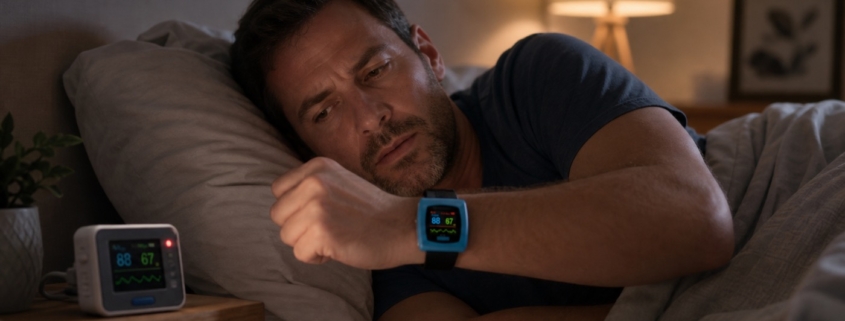
A wrist-worn pulse oximeter, such as the [ToronTek-B400 Wrist Pulse Oximeter], separates the display unit from the sensor. The lightweight finger probe remains on the finger while the monitor is worn on the wrist, helping improve comfort during longer monitoring sessions.
Why Is Comfort Important During Sleep Monitoring?
Extended monitoring requires a device that remains secure while minimizing interference with natural movement during sleep.
Key features to consider include:
- Lightweight sensor design
- Secure probe attachment
- Comfortable wrist-worn monitor
- Long battery life
- Adjustable display brightness
- Alarm functions
The [ToronTek-B400 Wrist Pulse Oximeter] was designed with these considerations in mind and features a lightweight finger sensor connected to a wrist-worn monitor.
Wrist Pulse Oximeter vs Fingertip Pulse Oximeter
Fingertip Pulse Oximeters
Fingertip pulse oximeters such as the [ToronTek-G64+ Pulse Oximeter] [ToronTek-L12 Pulse Oximeter with App], and ToronTek-H50+ Pulse Oximeter are ideal for:
- Spot-check measurements
- Quick oxygen saturation readings
- Portable everyday monitoring
- Travel use
Wrist Pulse Oximeters
Wrist pulse oximeters are often preferred for:
- Extended monitoring sessions
- Overnight oxygen monitoring
- Situations where comfort is important
- Long-duration recording applications
The wrist-worn design allows the display and battery to remain on the wrist while only a lightweight sensor is attached to the finger.
Features to Look for in a Sleep Monitoring Pulse Oximeter
Comfortable Sensor Design
A lightweight finger probe can improve comfort during extended monitoring.
Alarm Functions
Alarm settings can notify users when SpO₂ or pulse rate readings move outside selected limits.
The [ToronTek-B400 Wrist Pulse Oximeter] includes adjustable alarm settings for both oxygen saturation and pulse rate monitoring.
Rechargeable Battery
For extended monitoring, battery performance is important.
Unlike many fingertip pulse oximeters that use disposable AAA batteries, the [ToronTek-B400 Wrist Pulse Oximeter]features a built-in rechargeable lithium battery.
Adjustable Screen Brightness
Display brightness can be adjusted to suit different viewing conditions while helping minimize unnecessary light exposure during overnight monitoring.
Why Choose the ToronTek-B400 Wrist Pulse Oximeter?
The ToronTek-B400 offers several advantages for users seeking a pulse oximeter designed for extended monitoring:
- Wrist-worn monitor design
- Lightweight finger probe
- Color display
- Adjustable brightness settings
- Adjustable SpO₂ and pulse rate alarms
- Rechargeable lithium battery
- Comfortable design for overnight monitoring
Its unique wrist-and-probe configuration makes it different from traditional fingertip pulse oximeters and particularly well suited for extended monitoring applications.
Frequently Asked Questions
What pulse oximeter is best for overnight monitoring?
Many users prefer wrist-worn pulse oximeters for overnight monitoring because the lightweight finger sensor may be more comfortable than a traditional fingertip device. The ToronTek-B400 Wrist Pulse Oximeter was specifically designed with extended monitoring comfort in mind.
Can a pulse oximeter be worn overnight?
Some pulse oximeters are designed for extended monitoring applications. Wrist-worn designs often provide greater comfort for longer monitoring sessions compared with traditional fingertip models.
Why is a wrist pulse oximeter more comfortable?
A wrist pulse oximeter places the monitor on the wrist while using a lightweight finger probe, reducing the amount of weight attached directly to the finger.
Does the ToronTek-B400 have alarm functions?
Yes. The ToronTek-B400 includes adjustable alarm settings for both oxygen saturation (SpO₂) and pulse rate measurements.
Does the ToronTek-B400 use disposable batteries?
No. The ToronTek-B400 features a built-in rechargeable lithium battery.
Conclusion
When selecting a pulse oximeter for sleep monitoring, comfort, battery life, alarm functions, and display quality are all important considerations. While fingertip pulse oximeters remain excellent for spot-check measurements, wrist-worn designs such as the ToronTek-B400 offer unique advantages for extended monitoring applications thanks to their lightweight finger probe and comfortable wrist-mounted display.
Disclaimer: The information in this article is provided for general educational and informational purposes only and does not constitute medical advice. Always consult a qualified healthcare professional regarding any questions about your health, symptoms, oxygen saturation readings, or medical condition.
What Is a Dangerous Blood Oxygen Level? Understanding SpO2 Readings?
Blood oxygen saturation (SpO2) is a measurement that estimates the percentage of oxygen being carried by red blood cells. Pulse oximeters are commonly used to measure SpO2 quickly and non-invasively.
Many people wonder what constitutes a dangerous blood oxygen level and how to interpret pulse oximeter readings. Understanding oxygen saturation ranges can help individuals better understand the information displayed by their oxygen saturation monitor.
What Is SpO2?
SpO2 stands for peripheral capillary oxygen saturation. It is expressed as a percentage and represents an estimate of how much oxygen is being carried in the bloodstream.
Pulse oximeters measure SpO2 using optical sensors placed on the fingertip or other approved sensor locations.
Examples of pulse oximeters include:
- [ToronTek-L12 Pulse Oximeter with App]
- [ToronTek-G64+ Pulse Oximeter]
- [ToronTek-B400 Wrist Pulse Oximeter]
What Is Considered a Normal Blood Oxygen Level?
SpO2 values can vary between individuals and may be influenced by age, altitude, health status, activity level, and other factors.
Generally, healthy individuals often display oxygen saturation readings in the mid-to-high 90% range. However, interpretation of oxygen saturation values should always take individual circumstances into account.
What Is Considered a Low Blood Oxygen Level?
Lower oxygen saturation readings may warrant attention depending on the individual’s health status, symptoms, and medical history.
A single reading should not be interpreted in isolation. Repeated measurements, overall trends, and clinical context are important considerations.
What Is a Dangerous Blood Oxygen Level?
There is no single oxygen saturation value that applies to every person or situation. The significance of a reading depends on many factors, including medical history, symptoms, physician guidance, and individual health conditions.
If an individual has concerns regarding oxygen saturation readings or experiences symptoms that may be related to oxygen levels, they should seek guidance from a qualified healthcare professional.
Factors That Can Affect Pulse Oximeter Readings
Several factors can influence SpO2 measurements:
- Finger movement
- Cold hands or reduced circulation
- Nail polish or artificial nails
- Ambient lighting conditions
- Improper sensor placement
- Device quality
For best results:
- Remain still during measurement
- Ensure proper finger placement
- Allow the reading to stabilize
- Follow the manufacturer’s instructions
Choosing a Pulse Oximeter for Oxygen Monitoring
When selecting a pulse oximeter, users may wish to consider:
Smartphone Connectivity
The [ToronTek-L12 Pulse Oximeter with App] offers Bluetooth connectivity and smartphone tracking.
Alarm Functions
The [ToronTek-G64+ Pulse Oximeter], [ToronTek-L12 Pulse Oximeter with App], and [ToronTek-B400 Wrist Pulse Oximeter] include alarm capabilities that can alert users when readings move beyond selected limits.
Extended Monitoring
The [ToronTek-B400 Wrist Pulse Oximeter] is designed for comfortable extended monitoring using a wrist-worn monitor and lightweight finger sensor.
Important Disclaimer
The information provided in this article is for general educational and public health information purposes only and should not be considered medical advice, diagnosis, or treatment. Oxygen saturation readings should always be interpreted in the context of an individual’s overall health, symptoms, and medical history. If you have concerns about your oxygen saturation levels or health condition, consult a qualified healthcare professional or physician.
Frequently Asked Questions
What is a dangerous blood oxygen level?
The significance of a blood oxygen reading depends on the individual, their symptoms, health status, and guidance from healthcare professionals. Oxygen saturation values should not be interpreted without considering the broader clinical context.
What does SpO2 mean?
SpO2 stands for peripheral capillary oxygen saturation and represents an estimate of the percentage of oxygen carried by red blood cells.
Can pulse oximeter readings vary?
Yes. Factors such as movement, circulation, finger placement, nail polish, and environmental conditions may affect readings.
Which ToronTek pulse oximeter includes smartphone connectivity?
The [ToronTek-L12 Pulse Oximeter with App] features Bluetooth connectivity and smartphone-based data tracking.
Which ToronTek pulse oximeter is designed for overnight monitoring?
The [ToronTek-B400 Wrist Pulse Oximeter] features a wrist-worn design with a lightweight finger sensor for extended monitoring applications.
Conclusion
Pulse oximeters provide a convenient way to measure blood oxygen saturation and pulse rate. Understanding SpO2 readings, factors that affect measurements, and proper measurement techniques can help users obtain more reliable information from their oxygen saturation monitor.
How Accurate Are Pulse Oximeters? Understanding SpO2 Measurement Accuracy
How accurate is Pulse Oximeter?
Pulse oximeters are widely used to measure blood oxygen saturation (SpO2) and pulse rate. As these devices have become more common, many people ask an important question: How accurate is a pulse oximeter?
Understanding how pulse oximeters work, what factors can influence readings, and how to obtain the most reliable measurements can help users better interpret their results.
How Does a Pulse Oximeter Work?
A pulse oximeter uses light sensors to estimate the percentage of oxygen carried in the blood. The device shines specific wavelengths of light through the fingertip and analyzes how much light is absorbed by oxygenated and deoxygenated blood.
The result is displayed as:
- SpO2 (blood oxygen saturation)
- Pulse Rate (heart rate)
- Additional measurements on some models, such as Perfusion Index (PI)
Examples of pulse oximeters include:
- [ToronTek-L12 Pulse Oximeter with App]
- [ToronTek-G64+ Pulse Oximeter]
- [ToronTek-B400 Wrist Pulse Oximeter]
How Accurate Is a Pulse Oximeter?
Pulse oximeters are designed to provide an estimate of blood oxygen saturation. When used according to manufacturer instructions and under appropriate conditions, modern pulse oximeters can provide highly consistent SpO2 and pulse rate readings.
Accuracy can vary depending on:
- Proper finger placement
- Hand movement during measurement
- Blood circulation
- Ambient lighting conditions
- Nail polish or artificial nails
- Sensor quality
- Device design
For best results, measurements should be taken while remaining still and allowing the device sufficient time to stabilize.
What Factors Can Affect Pulse Oximeter Accuracy?
Movement
Excessive hand or finger movement can interfere with measurement quality.
Poor Circulation
Cold hands or reduced blood flow may make it more difficult for the sensor to obtain a stable reading.
Nail Polish and Artificial Nails
Dark nail polish or artificial nails can sometimes affect the amount of light reaching the sensor.
Improper Fit
The finger should be positioned properly within the pulse oximeter to ensure accurate sensor alignment.
Are Fingertip Pulse Oximeters Accurate?
Fingertip pulse oximeters remain one of the most popular oxygen monitoring solutions because they are simple, portable, and easy to use.
Models such as the [ToronTek-G64+ Pulse Oximeter] and [ToronTek-L12 Pulse Oximeter with App] are designed for quick spot-check monitoring and feature bright displays for easy viewing.
Are Wrist Pulse Oximeters Accurate?
Wrist pulse oximeters use a different design that separates the finger sensor from the display unit.
The [ToronTek-B400 Wrist Pulse Oximeter] uses a lightweight finger probe connected to a wrist-worn monitor. This design can be particularly useful for extended monitoring applications where comfort is important.
How Can You Improve Measurement Quality?
To obtain the most reliable readings:
- Sit comfortably and remain still
- Warm cold hands before measurement
- Remove dark nail polish if possible
- Ensure proper finger placement
- Allow the reading to stabilize
- Follow the device instructions carefully
Choosing a Quality Pulse Oximeter
When selecting a pulse oximeter, consider features such as:
Display Quality
The [ToronTek-G64+ Pulse Oximeter] features a color OLED display with rotating viewing modes.
Smartphone Connectivity
The [ToronTek-L12 Pulse Oximeter with App] offers Bluetooth connectivity and smartphone data tracking.
Extended Monitoring
The [ToronTek-B400 Wrist Pulse Oximeter] is designed for comfortable extended monitoring using a wrist-worn monitor and finger sensor.
Large Display
The [ToronTek-H50+ Pulse Oximeter] features a large digital display with oversized numbers for easy viewing.
Frequently Asked Questions
How accurate is a pulse oximeter?
Pulse oximeters are designed to estimate blood oxygen saturation and pulse rate using optical sensor technology. Reading quality can be influenced by movement, circulation, finger placement, and environmental factors.
Can finger movement affect pulse oximeter readings?
Yes. Excessive movement during measurement may interfere with the sensor’s ability to obtain a stable reading.
Why are my pulse oximeter readings different at different times?
Factors such as activity level, circulation, body position, and measurement conditions may contribute to normal variations in readings.
Does nail polish affect pulse oximeter accuracy?
Certain dark-colored nail polishes and artificial nails may affect sensor performance by altering light transmission.
Which ToronTek pulse oximeter includes Bluetooth connectivity?
The [ToronTek-L12 Pulse Oximeter with App] features Bluetooth connectivity and smartphone tracking capabilities.
Related ToronTek Pulse Oximeters
- [ToronTek-L12 Pulse Oximeter with App]
- [ToronTek-G64+ Pulse Oximeter]
- [ToronTek-B400 Wrist Pulse Oximeter]
Conclusion
Pulse oximeters are valuable tools for measuring blood oxygen saturation and pulse rate. Understanding the factors that influence measurement quality can help users obtain more consistent readings and select the pulse oximeter that best meets their monitoring needs.
Pulse Oximeter vs Smartwatch Oxygen Monitoring: Which Is More Accurate?
Smartwatches and pulse oximeters can both measure blood oxygen saturation (SpO2), but they are designed for different purposes. As wearable technology becomes more advanced, many people wonder whether a smartwatch can replace a dedicated pulse oximeter.
Understanding the differences between these devices can help users select the most appropriate oxygen saturation monitor for their needs.
What Is a Pulse Oximeter?
A pulse oximeter is a device specifically designed to measure blood oxygen saturation (SpO2) and pulse rate. Most pulse oximeters use sensors that pass light through the fingertip to calculate oxygen saturation levels and heart rate.
Dedicated pulse oximeters are designed specifically for oxygen monitoring and often provide additional features such as alarm functions, perfusion index measurements, and specialized display modes.
Examples include:
- [ToronTek-L12 Pulse Oximeter with App]
- [ToronTek-G64+ Pulse Oximeter]
- [ToronTek-B400 Wrist Pulse Oximeter]
- [ToronTek-H50+ Pulse Oximeter]
What Is Smartwatch Oxygen Monitoring?
Many modern smartwatches include blood oxygen monitoring features. These devices use optical sensors located on the underside of the watch to estimate blood oxygen saturation through the wrist.
Smartwatch blood oxygen monitoring can be useful for general wellness tracking and trend observation. However, oxygen monitoring is typically one of many features included alongside fitness tracking, messaging, notifications, sleep tracking, and other functions.
Is a Pulse Oximeter More Accurate Than a Smartwatch?
In general, dedicated pulse oximeters are designed specifically for measuring SpO2 and pulse rate, while smartwatches perform oxygen monitoring as one feature among many.
Several factors can affect smartwatch readings, including:
- Wrist movement
- Skin contact
- Watch fit
- Sensor placement
- Ambient light interference
Pulse oximeters are designed to position sensors directly on the fingertip, which can help provide consistent measurement conditions.
For individuals seeking a dedicated oxygen saturation monitor, a pulse oximeter is often the preferred option because its primary purpose is SpO2 and pulse rate measurement.
When Is a Pulse Oximeter the Better Choice?
A dedicated pulse oximeter may be the preferred option when users need:
- Fast spot-check measurements
- Audible alarm functions
- High and low SpO2 alerts
- Pulse rate monitoring
- Perfusion index measurements
- Clear standalone display screens
The [ToronTek-G64+ Pulse Oximeter] includes adjustable alarms, a color OLED display, and multiple viewing modes.
The [ToronTek-L12 Pulse Oximeter with App] combines Bluetooth connectivity with smartphone tracking capabilities.
For extended monitoring applications, the [ToronTek-B400 Wrist Pulse Oximeter] features a lightweight finger sensor connected to a wrist-worn monitor.
Users seeking large, easy-to-read numbers may prefer the [ToronTek-H50+ Pulse Oximeter].
When Is a Smartwatch the Better Choice?
A smartwatch may be suitable for individuals who want:
- General wellness tracking
- Fitness monitoring
- Daily activity tracking
- Convenient wearable technology
- Multiple health metrics in a single device
Many users appreciate having oxygen saturation information available alongside heart rate, exercise, and sleep-related metrics.
Key Differences Between Pulse Oximeters and Smartwatches
| Feature | Pulse Oximeter | Smartwatch |
|---|---|---|
| Primary Purpose | SpO2 & Pulse Monitoring | Multi-function wearable |
| Sensor Location | Fingertip | Wrist |
| Alarm Features | Often Available | Not Always Available |
| Dedicated Oxygen Monitoring | Yes | Secondary Feature |
| Bluetooth Tracking | Available on Select Models | Often Available |
| Overnight Monitoring Options | Available on Select Models | Varies by Device |
Choosing the Right Oxygen Saturation Monitor
The best choice depends on how the device will be used.
Individuals seeking dedicated oxygen saturation monitoring often prefer pulse oximeters because they are specifically designed for measuring SpO2 and pulse rate.
Those who primarily want fitness and lifestyle tracking may prefer the convenience of smartwatch blood oxygen monitoring.
Frequently Asked Questions
Is a pulse oximeter more accurate than a smartwatch?
Pulse oximeters are specifically designed for measuring blood oxygen saturation and pulse rate. Smartwatches provide oxygen monitoring as one of many functions and may be affected by factors such as fit, motion, and sensor placement.
Can a smartwatch replace a pulse oximeter?
Smartwatches can provide blood oxygen information for wellness tracking, but dedicated pulse oximeters remain a specialized tool for SpO2 and pulse rate measurement.
What is the best oxygen saturation monitor?
The best oxygen saturation monitor depends on individual needs, desired features, and monitoring preferences. Some users prioritize app connectivity, while others prefer alarm functions, overnight monitoring, or large display screens.
Which ToronTek pulse oximeter includes smartphone connectivity?
The [ToronTek-L12 Pulse Oximeter with App] features Bluetooth connectivity and supports smartphone-based tracking through a companion app.
Related ToronTek Pulse Oximeters
- [ToronTek-L12 Pulse Oximeter with App]
- [ToronTek-G64+ Pulse Oximeter]
- [ToronTek-B400 Wrist Pulse Oximeter]
- [ToronTek-H50+ Pulse Oximeter]
Conclusion
Both pulse oximeters and smartwatches can provide blood oxygen information, but they serve different purposes. Smartwatches focus on overall wellness and lifestyle tracking, while dedicated pulse oximeters are specifically designed for SpO2 and pulse rate monitoring. Understanding these differences can help users select the device that best matches their monitoring needs.
Best Pulse Oximeter With App: What Features Matter Most?
Pulse oximeters have become an important tool for monitoring blood oxygen saturation (SpO2) and pulse rate. While traditional fingertip pulse oximeters provide instant readings, newer Bluetooth-enabled models allow users to store and track measurements using a smartphone app.
Why Choose a Pulse Oximeter With App Connectivity?
A pulse oximeter with app support can automatically record readings, making it easier to review historical trends and maintain records over time.
Benefits include:
- Automatic data storage
- Bluetooth synchronization
- Trend analysis
- Easy record keeping
- Improved visibility of long-term changes
Features to Look For
Bluetooth Connectivity
A quality Bluetooth pulse oximeter should connect quickly and reliably to a smartphone application.
For users seeking smartphone integration, the [ToronTek-L12 Pulse Oximeter with App] offers Bluetooth connectivity and app-based tracking capabilities.
Alarm Functions
Alarm settings can alert users when oxygen saturation or pulse rate values move outside selected ranges.
Both the [ToronTek-L12 Pulse Oximeter with App] and the [ToronTek-G64+ Pulse Oximeter] include adjustable alarm functions.
Display Quality
A bright OLED display improves readability in various lighting conditions.
Models such as the [ToronTek-G64+ Pulse Oximeter] feature a rotating color OLED display for flexible viewing.
Comparing Different Monitoring Styles
Users looking for overnight monitoring may prefer the [ToronTek-B400 Wrist Pulse Oximeter], which uses a lightweight finger sensor connected to a wrist-worn monitor.
Those who prefer large, easy-to-read numbers may find the [ToronTek-H50+ Pulse Oximeter] a practical choice.
Final Thoughts
The best pulse oximeter with app functionality depends on individual monitoring preferences. Features such as Bluetooth connectivity, alarm settings, display quality, and data tracking capabilities should all be considered when selecting a device.

ToronTek-All Rights Reserved
ToronTek- All Rights Reserved
ToronTek-All Rights Reserved