


5 Chronic Lung Disease that Often Require Oxygen Therapy
Your lungs have a very important job which is to absorb oxygen from the air and transfer it into your bloodstream, according to the National Heart, Lung and Blood Institute (NHLBI). But some diseases and conditions can keep your body from getting the oxygen it needs. People with chronic diseases have ineffective or heavy breathing pattern 24/7 with deep breathing 24/7. If you develop one of these conditions, and your blood oxygen level falls too low, your doctor may prescribe supplemental oxygen and a finger pulse oximeter to monitor the oxygen level.
Oxygen therapy, also known as supplemental oxygen, is the use of oxygen as a medical treatment. This can include low blood oxygen, carbon monoxide toxicity, cluster headaches, and to maintain enough oxygen while inhaled anesthetics are given. Supplemental oxygen, especially portable oxygen solutions, helps those with chronic lung diseases to enjoy life to the fullest. A portable oxygen unit, like a portable concentrator, can help you regain your independence and mobility while allowing you to increase your physical fitness, as well as time spent with family and friends.
While considering carbon dioxide effects, we also found that chronic overbreathing leads to reduced oxygen transport to cells. As a result, ineffective breathing patterns cause tissue hypoxia, chronic inflammation, immunosuppression, and many other negative effects caused by low body-oxygen levels and hypocapnia (reduced CO2 levels).
Meanwhile, it is known that tissue hypoxia is the driving force of cancer, heart disease, diabetes, chronic fatigue and many other health conditions. Hence, the more people breathe, the more severe health problems, diseases, and symptoms they are going to experience.
The following are Conditions and Diseases that may require supplemental oxygen to help you feel better:
- Cystic Fibrosis. An inherited disease that affects the secretory glands, including those that produce mucus and sweat, according to NHLBI. One of the causes of Cystic Fibrosis is Chronic Hyperventilation. Unfortunately, with CF, thick sticky mucus collects in the airways, creating an ideal place for bacteria to grow. After repeated, intense lung infections, the lungs become severely compromised. Supplemental oxygen can help the lungs do their job.
- Pulmonary fibrosis. A lung disease that occurs when lung tissue becomes damaged and scarred. A person is often diagnosed with pulmonary fibrosis (PF) when tissues in the lungs become thickened, stiff and make it more difficult for your lungs to work properly. As pulmonary fibrosis worsens, you become progressively more short of breath. The Mayo Clinic provides many reasons someone could develop PF, including long-term exposure to occupational toxins, radiation treatment, certain diseases and medical conditions. However, in many cases, the cause remains unknown. As the disease progresses, it decreases the amount of oxygen lungs can transfer to the bloodstream. Supplemental oxygen Helps to reduce breathlessness, while portable solutions enable those with PF to be more physically active.
- Chronic bronchitis: Chronic bronchitis is one type of COPD (chronic obstructive pulmonary disease). This leads to coughing and difficulty breathing. Cigarette smoking is the most common cause. Breathing in air pollution, fumes, or dust over a long period of time may also cause it. The disease, which will get worse over time, is characterized by a constant cough and a large amount of mucus. When caught early, the disease can then be managed so you can live a full, active life. As the disease progresses, portable oxygen solutions can allow you the mobility and independence you need to get out and moving more often.
- Emphysema: a condition in which the small air sacs of the lungs are damaged and enlarged, causing breathlessness. The No. 1 culprit of an emphysema diagnosis is smoking. This disease makes it harder and harder to breathe normally. Those with emphysema often become short of breath on a regular basis. However, supplemental oxygen can help provide some relief by increasing blood oxygen levels and making oxygen distribution easier on the body.
- Alpha 1 Antitrypsin Deficiency: An inherited disorder that may cause lung disease and liver disease. This genetic disorder can lead to breathing problems at a young age and eventually develop into emphysema or Chronic Obstructive Pulmonary Disease (COPD), according to WebMD. The Alpha 1 Antitrypsin enzyme is found in the lungs and bloodstream and is meant to prevent inflammation and its effects in the lungs. When your body lacks enough of this enzyme, it can lead to emphysema and make it difficult to breathe. NHLBI says supplemental oxygen, along with bronchodilators and pulmonary rehabilitation, are common treatments of AAT deficiency.
The critical oxygen level is an oxygen saturation of approximately 90% (this is measured by a finger pulse oximeter), equivalent to a blood oxygen level of 55-60 mmHg (this is measured from a blood sample taken from an artery, commonly in the wrist). This blood test is known as an arterial blood gas or ABG. Therefore, controlled oxygen therapy, to maintain oxygen saturation at around 90% (88-92% is an acceptable range). It is important to avoid too much oxygen and minimize the risk of worsening CO2 levels in this situation. Some patients who are very sensitive to the adverse effects of too much oxygen may choose to wear a medical alert bracelet to alert paramedics about their lung condition in the event of an emergency.
The information, including but not limited to, text, graphics, images and other material contained on this website are for informational purposes only. The purpose of this website is to promote broad consumer understanding and knowledge of various health topics. It is not intended to be a substitute for professional medical advice, diagnosis or treatment. Always seek the advice of your physician or another qualified healthcare provider with any questions you may have regarding a medical condition or treatment and before undertaking a new health care regimen, and never disregard professional medical advice or delay in seeking it because of something you have read on this website.
Resources:
http://www.domorewithoxygen.com/bid/293363/5-chronic-lung-diseases-that-often-require-oxygen-therapy

Calcium During Pregnancy
When you’re pregnant, your developing baby needs calcium to build strong bones and teeth. Calcium also helps your baby grow a healthy heart, nerves, and muscles as well as develop a normal heart rhythm and blood-clotting abilities.
Your body will do whatever it needs to take care of your baby, including stealing. Your body actually takes calcium from your own bones or teeth to give it to your little one. So if you want your bones and teeth to stay strong, you need to get extra calcium while your baby’s growing inside you.
What Calcium Does for You
It’s common knowledge that calcium is crucial for proper fetal bone and teeth development. But were you aware that you and your baby need calcium to maintain a normal heartbeat? Besides building teeth and bones, calcium also keeps your blood and muscles moving and helps your nerves send messages from your brain to the rest of your body.
Calcium You Need During Pregnancy
Your body can’t make calcium, so you need to get it from food or supplements. While you’re pregnant, try to get at least 1,000 mg of calcium every day. If you’re 18 or younger, then you need at least 1,300 mg of calcium every day.
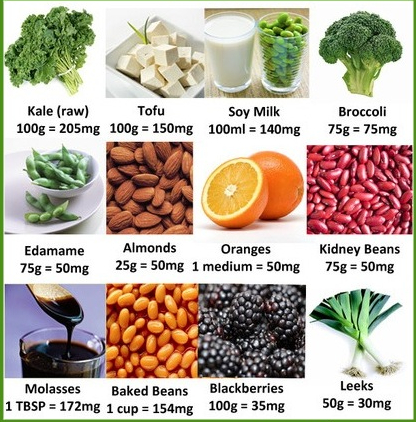
Dietary sources of calcium 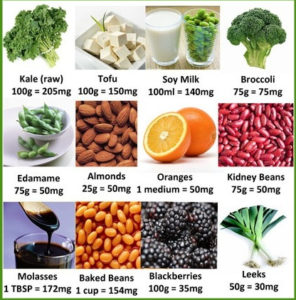
- Yogurt, 8 oz, plain low-fat: 415 mg
- Orange juice, 6 oz of calcium-fortified OJ: 375 mg
- Sardines, 3 oz canned with bones in oil: 325 mg
- Cheddar cheese, 1.5 oz: 307 mg
- Milk, 8 oz nonfat: 299 mg
- Tofu, 1/2 cup, firm, made with calcium sulfate: 253 mg
- Salmon, 3 oz canned with bones: 181 mg
- Cereal, 1 cup of calcium-fortified types : 100 to 1,000 mg
- Kale, 1 cup, cooked: 94 mg
- Soy beverage, 8 oz, calcium-fortified: 80 to 500 mg:
- Bok choy, 1 cup, raw: 74 mg
Here are a few examples on how to reach that 1,000 mg goal: Drink 3 cups of milk or calcium-fortified orange juice or choose a cereal that has 1,000 mg of calcium.
Know About Calcium Supplements
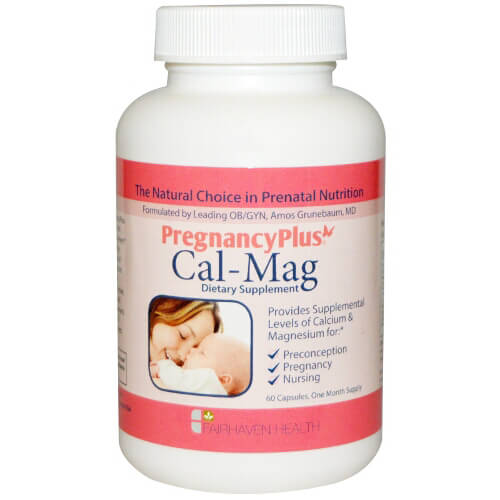 Whether you were calcium deficient prior to pregnancy and if you’re having trouble meeting your RNI with food alone. Before popping calcium pills, make sure to talk to your GP first and have a dietitian review your current diet.
An excessive calcium intake (from supplements) can harm your baby: some babies fail to thrive, while others suffer from various symptoms ranging from mild constipation, muscle weakness to severe seizures. According to studies, excess calcium intake can also hinder the absorption of other minerals such as iron, magnesium, and zinc which are also essential for both mother and child.
Calcium supplements come in two forms: carbonate and citrate.
- Calcium carbonate is less expensive and works best if you take it with food.
- Calcium citrate works just as well with food or on an empty stomach.
Many calcium supplements also contain vitamins D, which helps your body absorb calcium.
Limit to 500 mg at a time. To make sure your body absorbs the most calcium possible, take only 500 mg of calcium at a time. For example, this might mean taking a 500 mg supplement with breakfast and another with dinner.
The information, including but not limited to, text, graphics, images and other material contained on this website are for informational purposes only. The purpose of this website is to promote broad consumer understanding and knowledge of various health topics. It is not intended to be a substitute for professional medical advice, diagnosis or treatment. Always seek the advice of your physician or another qualified healthcare provider with any questions you may have regarding a medical condition or treatment and before undertaking a new health care regimen, and never disregard professional medical advice or delay in seeking it because of something you have read on this website.
Resources:
https://www.webmd.com/baby/get-the-calcium-you-need-during-pregnancy#1

Multiple Pregnancy
A multiple pregnancy is when you are pregnant with twins, triplets or more. Three babies or more is called a ‘higher order’ pregnancy, and it’s rare – occurring in just 1 in 50 multiple pregnancies.
Having twins, triplets or more can be challenging, but most families find having several babies at once a positive experience.
How does multiple pregnancy occur? 

Multiple pregnancies occur when more than one embryo implants in your uterus (womb). This can happen if you release more than one egg during the menstrual cycle and each egg is fertilized by a sperm. Sometimes, a fertilized egg spontaneously splits into 2, resulting in identical embryos. This type of pregnancy results in fraternal twins (or more). When a single fertilized egg splits, it results in multiple identical embryos. This type of pregnancy results in identical twins (or more). Identical twins are less common than fraternal twins.
What are some causes of multiple pregnancy?
The use of fertility drugs to induce ovulation often causes more than one egg to be released from the ovaries and can result in twins, triplets, or more. Multiple pregnancies are more common than they used to be, mainly because of the increasing use of in vitro fertilization (IVF) if more than one embryo is transferred to the uterus. Identical multiples also may result if the fertilized egg splits after transfer. Women aged 35 and older are more likely to release more than one egg during ovulation, so they are more likely to have a multiple pregnancy. You are also more likely to have a multiple pregnancy if you have a history of twins in your family.
What are some symptoms of multiple pregnancy?
Women who are pregnant with multiples may have more severe morning sickness or breast tenderness than women who are pregnant with a single baby. They also may gain weight more quickly. A multiple pregnancy is confirmed by an ultrasound scan, usually in the first trimester (the first 12 weeks). The ultrasound will confirm the type of multiple pregnancy, whether there is one placenta or 2, and how many amniotic sacs there are. These are all important factors for later in the pregnancy and it’s important to identify them as early as possible.
Types of multiple pregnancy
Fraternal twins 

Two separate eggs are fertilized and implant in the uterus. The babies are siblings who share the same uterus – they may look similar or different, and may either be the same gender (2 girls or 2 boys) or of different genders. A pregnancy with fraternal twins is statistically the lowest risk of all multiple pregnancies since each baby has its own placenta and amniotic sac. You will sometimes hear fraternal twins referred to as ‘dizygotic’ twins, referring to 2 zygotes (fertilized eggs).
Identical twins
 Identical twins are formed when a single fertilized egg is split in half. Each half (embryo) is genetically identical, so the babies share the same DNA. That means the babies will share many characteristics. However, because their appearance is influenced by the environment as well as by genes, sometimes identical twins can look quite different. Identical twins may share the same placenta and amniotic sac, or they may have their own placenta and amniotic sac. You will sometimes hear identical twins referred to as ‘monozygotic’, referring to one zygote (fertilized egg).
Triplets and ‘higher order multiples’ (HOMs)
Triplets, quadruplets, quintuplets, sextuplets or more can be a combination both of identical and fraternal multiples. For example, triplets can be either fraternal (trizygotic), forming from 3 individual eggs that are fertilized and implanted in the uterus; or they can be identical, when one egg divides into 3 embryos; or they can be a combination of both.
Do I need to gain extra weight if I am pregnant with multiples?
It generally is recommended that women who are pregnant with multiples gain more weight than women who are pregnant with one baby. An extra 300 calories a day is needed for each fetus. For instance, if you are pregnant with twins, you need an extra 600 calories a day. For triplets and higher-order pregnancies, weight gain should be individualized.
Complications of Multiple Pregnancy
The most common complications include the following: 
- Preterm labor and birth. Over 60% of twins and nearly all higher-order multiples are premature (born before 37 weeks). The higher the number of fetuses in the pregnancy, the greater the risk for early birth. Premature babies are born before their bodies and organ systems have completely matured. These babies are often small, with low birth weights (less than 2,500 grams or 5.5 pounds), and they may need help breathing, eating, fighting infection, and staying warm. Very premature babies, those born before 28 weeks, are especially vulnerable. Many of their organs may not be ready for life outside the mother’s uterus and may be too immature to function well. Many multiple birth babies will need care in a neonatal intensive care unit (NICU).
- Gestational hypertension. Women with multiple fetuses are more than twice as likely to develop high blood pressure of pregnancy. This condition often develops earlier and is more severe than pregnancy with one baby. It can also increase the chance of placental abruption (early detachment of the placenta).
- Anemia. Anemia is more than twice as common in multiple pregnancies as in a single birth.
- Birth defects. Multiple birth babies have about twice the risk of congenital (present at birth) abnormalities including neural tube defects (like spina bifida), gastrointestinal, and heart abnormalities.
- Miscarriage. A phenomenon called the vanishing twin syndrome in which more than 1 fetus is diagnosed, but vanishes (or is miscarried), usually in the first trimester, is more likely in multiple pregnancies. This may or may not be accompanied by bleeding. The risk of pregnancy loss is increased in later trimesters as well.
- Twin-to-twin transfusion syndrome. Twin-to-twin transfusion syndrome (TTTS) is a condition of the placenta that develops only with identical twins that share a placenta. Blood vessels connect within the placenta and divert blood from one fetus to the other. It happens in about 15% of twins with a shared placenta.
In TTTS, blood is shunted from 1 fetus to the other through blood vessel connections in a shared placenta. Over time, the recipient fetus receives too much blood. This can overload the cardiovascular system and cause too much amniotic fluid to develop. The smaller donor fetus does not get enough blood and has low amounts of amniotic fluid. TTTS can be treated during pregnancy by withdrawing some of the extra fluid with a needle or with surgery on the placenta. Sometimes, the twins may need to be delivered early.
- Cerebral Palsy: A long-term disability of the nervous system that affects young children in which control of movement or posture is abnormal and is not the result of a recognized disease.
- Abnormal amounts of amniotic fluid. Amniotic fluid abnormalities are more common in multiple pregnancies, especially for twins that share a placenta.
- Cord entanglement. Cord entanglement for the twins that share the amniotic sac. In these cases, monitoring of the fetuses often in the third trimester may be necessary.
- Cesarean delivery. Abnormal fetal positions increase the chances of cesarean birth.
- Postpartum hemorrhage. The large placental area and over-distended uterus place a mother at risk for bleeding after delivery in many multiple pregnancies.
Can multiple pregnancy affect my risk of postpartum depression? 

Multiple births increase the risk of postpartum depression. Multiple births are a risk factor for postpartum depressive symptoms in mothers. If you have intense feelings of sadness, anxiety, or despair that prevent you from being able to do your daily tasks, let your obstetrician or other members of your health care team know.
Can I breastfeed if I have multiples?
Yes, but it may take some practice. Your milk supply will increase the right amount. You will need to eat healthy foods and drink plenty of liquids. The law of supply and demand applies to nursing mothers of twins and multiples. If you breastfeed when your babies want to eat, you can trust your body to supply enough milk. A low milk supply can almost always be corrected by nursing more often. If your babies aren’t emptying your breasts, you may need to pump.
The information, including but not limited to, text, graphics, images and other material contained on this website are for informational purposes only. The purpose of this website is to promote broad consumer understanding and knowledge of various health topics. It is not intended to be a substitute for professional medical advice, diagnosis or treatment. Always seek the advice of your physician or another qualified healthcare provider with any questions you may have regarding a medical condition or treatment and before undertaking a new health care regimen, and never disregard professional medical advice or delay in seeking it because of something you have read on this website.
Resources:

How to Have a Smart Baby
Living a healthy lifestyle while you’re expecting helps your baby grow big and strong, but did you know it can make her smarter too? In fact, simple choices that you make every day, from eating a leafy-green salad for lunch to hitting the treadmill for a workout, can help build her brain. What you do while you’re pregnant can have as much impact on your child’s brain development and future intelligence as what you do after you give birth and taking care of yourself now will help prepare your baby to be an active learner.
Lowered Autism Odds:
Pop Your Prenatal Vitamin Daily
Taking it will help ensure that you get the balance of nutrients your baby needs, like folic acid and vitamin B12 to make red blood cells, vitamin C to produce collagen, vitamin D for bone building, and zinc for brain development. If your vitamin upsets your stomach, don’t just ditch it: Try taking it with a meal, or talk to your doctor about switching brands.
Get Omega-3s

Fish, rich in omega-3 fatty acids, may boost your baby’s brain power. In a study from Harvard Medical School, the more fish women ate during the second trimester, the higher their babies scored on a mental-development test at 6 months of age. Omega-3s are found in brain-cell membranes, so there are plenty of ways they can influence brain function, says Lisa Eliot, Ph.D., assistant professor at Rosalind Franklin University of Medicine and Science, in Chicago. If you don’t like fish, talk to your doctor about taking a fish-oil supplement.
Pump Up Iron
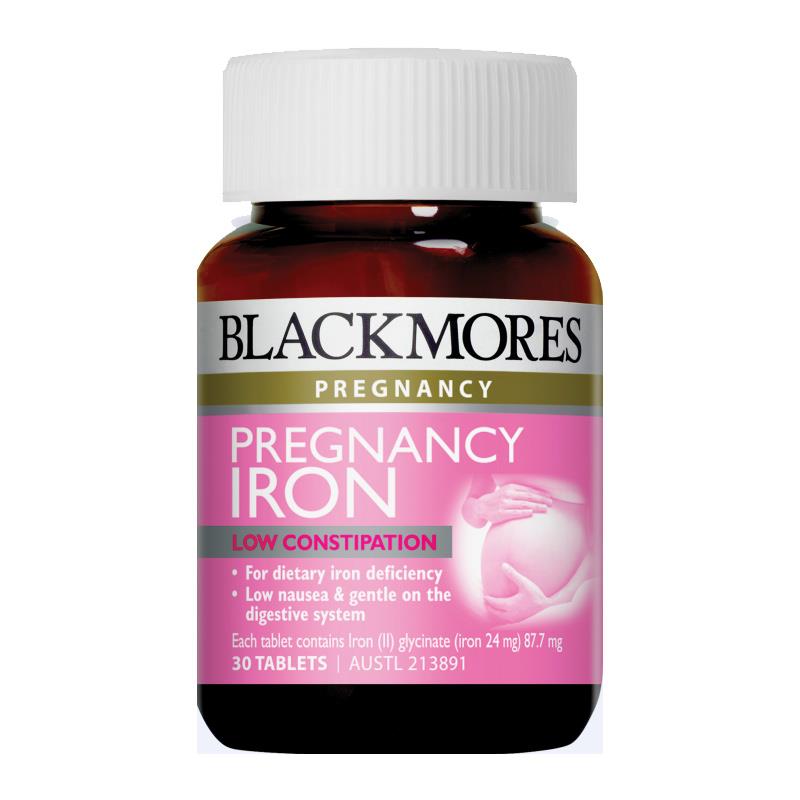 Your iron intake needs to double during pregnancy since iron helps deliver life-sustaining oxygen to your baby. Iron helps promote the growth of healthy red blood cells, which carry oxygen to your baby’s brain. Trouble is, many women enter pregnancy already deficient, says Somer. If your baby’s deprived of oxygen in the womb, the risk of poor growth — and lower IQ — increases. Ask your doctor to test you for iron deficiency. Then make sure your diet includes iron-rich foods like lean beef, chicken, legumes, beans, spinach, tofu and as well as iron-enhanced cereals.
Increased Intelligence:
Working out will give you the stamina you need for labor and delivery, and it can also strengthen your baby’s brain. According to a study in the Journal of the American College of Sports Medicine, children of moms who exercised during pregnancy scored higher on tests of language skills and intelligence at age 5 compared with the kids of sedentary moms. Why? Moderate levels of cortisol — a stress hormone that’s also secreted when you exercise — promote the growth and development of your baby’s brain, as well as his other major organs. Experts recommend 30 minutes of moderate exercise for pregnant women on all or most days of the week.
Maximum Brainpower:
Fetal Brain Development
The fetal brain goes through several stages of development. During the first trimester, the nerve cells form but are not actually developed as a brain. Impulses begin to fire without pattern or direction. Sensory organs and nerves are not developed at this point, so the fetus does not feel pain. During this time, it’s especially important to avoid chemicals and dangerous substances. The first trimester is a time of exponential growth.
During the second trimester, nerve functions start to synchronize and differentiate. The sensory organ begins development, as do the nerves. About the 5th month, the baby can now start to feel, although the sensations they feel are very limited and erratic. Those healthy fats provide faster development and healthier nerve connections.
During the last trimester, the brain is forming learning abilities and beginning memories. This is a time where exposure to classical music and soothing sounds will affect the child’s disposition later in life.
Be Mindful of Mercury
Fish is good for your baby’s brain, but you do need to take a few precautions. Mercury contamination in some fish may be harmful. The Food and Drug Administration advises all pregnant women to avoid shark, tilefish, king mackerel, and swordfish completely since they contain the highest levels. Some lower-mercury options: salmon, catfish, pollack, whitefish, tilapia, and shrimp. Even with these varieties, you should limit all fish to 12 ounces (about two meals) per week. And opt for canned light tuna over canned white albacore, which has more mercury.
Munch on Fruits and Veggies 
Produce contains antioxidants, which are good for your baby. “Antioxidants protect the baby’s brain tissue from damage,” says nutritionist Elizabeth Somer, RD, author of Nutrition for a Healthy Pregnancy. Choose deep-colored produce — like dark leafy greens, papaya, blueberries, and tomatoes — for the biggest antioxidant punch. Regular consumption of fruit is known to reduce a variety of health complications such as Alzheimer’s or preventing weight gain but now new research has suggested that we may benefit from a diet high in fruit earlier than we thought.
Child development experts in Canada found that women who eat fruit during their pregnancy are more likely to give birth to smarter children than those who do not or eat very little fruit.
Avoid Alcohol
Though fetal alcohol syndrome is associated with heavy alcohol abuse during pregnancy, even moderate amounts of beer, wine, or liquor can harm a baby’s brain, according to the March of Dimes. Light to moderate drinking can lead to problems with learning, attention, memory, and social skills down the road.
Don’t Gain Too Much
You’re eating for two now, but packing on too many pounds during pregnancy ups your chances of a premature delivery — and babies born early may be at a disadvantage when it comes to learning. “Premature delivery is one of the greatest risk factors for mental impairment,” says Dr. Lise Eliot. “There’s a strong link between birth weight, IQ score, and school achievement.” What’s the connection? Babies born early miss out on the unique nourishment that the placenta provides, are exposed to stimuli they’re normally protected from in the womb and are more vulnerable to infection. To keep your weight healthy, follow these guidelines:
- If you’re currently a normal weight, gain 25-35 pounds.
- f you’re currently overweight, gain 15-25 pounds.
- If you’re currently underweight, gain 28-40 pounds.
Your baby’s brain will develop through various experiences and exercises. Senses of touch, smell, sight, sound, and taste will also aid this development process. You need to start giving your baby different sensory experiences from an early age, to help him identify and differentiate things. Development of his cognitive and motor skills will help you know how to raise a smart baby.
The information, including but not limited to, text, graphics, images and other material contained on this website are for informational purposes only. The purpose of this website is to promote broad consumer understanding and knowledge of various health topics. It is not intended to be a substitute for professional medical advice, diagnosis or treatment. Always seek the advice of your physician or another qualified healthcare provider with any questions you may have regarding a medical condition or treatment and before undertaking a new health care regimen, and never disregard professional medical advice or delay in seeking it because of something you have read on this website.
Resources:
https://www.parents.com/pregnancy/my-baby/how-to-have-a-smart-baby-pregnancy-brain-power-boosters/

Benefits of Drinking Water During Pregnancy
Whether you’re pregnant or not, your body needs water to function properly. However, drinking water during pregnancy is twice as important and critical to the health of you and your new bundle of joy.
Water is responsible for carrying oxygen and nutrients to our cells, tissues, and organs, staying hydrated ensures that essential nutrients are being transported to meet the developmental needs of your growing baby. Drinking water also helps preserve an adequate level of amniotic fluid and even aids fetal kidney function by facilitating the amount of waste your baby’s kidneys filter.
Hydration:
 Water can also help keep the aches and growing pains associated with being pregnant at bay, as it helps prevent dehydration —a main contributor to the headaches, cramping, and dizziness you may experience during pregnancy.
Some women even claim that drinking water helps alleviate morning sickness, heartburn, and indigestion. Hydration becomes especially important during the third trimester because dehydration can trigger contractions that can lead to preterm labor.
A common sign of dehydration is “maternal overheating.” Having adequate water in your system will help you regulate your body heat; however, if you are not drinking enough water during pregnancy, you can be prone to overheating. A sign of being well-hydrated is having a clear urine color, as opposed to dark yellow.
A pregnant woman needs, on average, approximately 10 cups (2.3 liters) of fluid per day.
Morning Sickness
Around 80 percent of expectant mothers experience some form of morning sickness during pregnancy. Some women feel sick all day, while others merely feel queasy before eating breakfast. Certain symptoms, including vomiting, increase your risk of dehydration. Because dehydration can aggravate nausea, proper hydration may help relieve some symptoms of morning sickness. Signs of dehydration include dry mouth, urinating less frequently, dizziness and cracked lips. Consult your physician if you experience signs of dehydration or are unable to keep fluids down.
If you make it a priority to stay adequately hydrated over the next nine months, you’ll be setting your little one up for a healthy life outside the womb. So here’s to you and your little one cheers to a healthy pregnancy!
Foods to Keep You Hydrated during Pregnancy
Watermelon Water content: 92%
 With “water” in its name, of course, this fruit makes the list! Watermelon is a great way to add more fluid to your day. Enjoy watermelon slices or dice and toss with fresh mint, crumbled feta cheese, and a splash of balsamic vinegar for a refreshing snack.
Strawberries Water content: 91% 
These little berries provide bountiful nutrition but also supply a solid amount of water too. At 91 percent water, it’s smart to add this naturally hydrating food to salads, yogurt parfaits, smoothies, cereal, and more.
Cucumbers Water content: 95%
Looking for a little crunch with your hydration? Try cucumbers! They supply plenty of water and taste great in your Greek salad, as a dipper for hummus, or as an addition to your taco.
Yogurt
Water content: 85%
How about a little protein to go with your water? Yogurt supplies a healthy dose of non-meat protein, along with bone-building calcium and water. Top it with fresh berries for even more nutritious hydration.
Lettuce Water content: 95%
 Speaking of crunch, did you know that bowl of lettuce you’re eating is loaded with water too? Fill up your salad plate once or even twice to get a refreshing boost of water.
If staying hydrated is a struggle for you, get in the habit of bringing a water bottle with you everywhere you go. Having a water bottle handy throughout the day will remind you to stay hydrated and challenge you to drink the recommended amount of water each day.
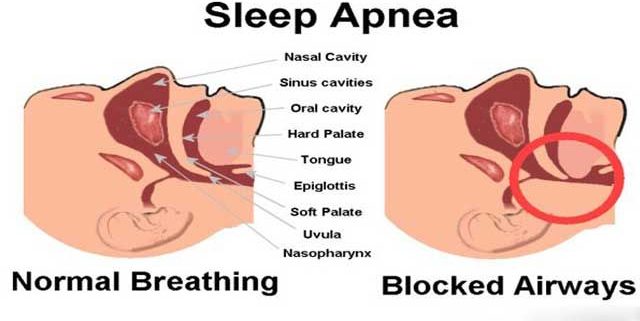
What you need to know about Sleep Apnea
What is Sleep apnea?
is a serious sleep disorder that occurs when a person’s breathing is interrupted during sleep. People with untreated sleep apnea stop breathing repeatedly during their sleep, sometimes hundreds of times. This means the brain — and the rest of the body — may not get enough oxygen. You may have sleep apnea if you snore loudly, and you feel tired even after a full night’s sleep.
“Sleep apnea can affect anyone at any age, even children.”
Types of sleep apnea:
- Obstructive sleep apnea, the more common form that occurs when throat muscles relax.
- Central sleep apnea, which occurs when your brain doesn’t send proper signals to the muscles that control breathing.
- Complex sleep apnea syndrome, also known as treatment-emergent central sleep apnea, occurs when someone has both obstructive sleep apnea and central sleep apnea.
If you think you might have any form of sleep apnea, see your doctor. Treatment can ease your symptoms and may help prevent heart problems and other complications.
Causes of Obstructive Sleep Apnea
Obstructive sleep apnea occurs when the muscles in the back of your throat relax. These muscles support the soft palate, the triangular piece of tissue hanging from the soft palate (uvula), the tonsils, the side walls of the throat and the tongue.
When the muscles relax, your airway narrows or closes as you breathe in, and you can’t get an adequate breath in. This may lower the level of oxygen in your blood.
Your brain senses this inability to breathe and briefly rouses you from sleep so that you can reopen your airway. This awakening is usually so brief that you don’t remember it.
You may make a snorting, choking or gasping sound. This pattern can repeat itself five to 30 times or more each hour, all night long. These disruptions impair your ability to reach the desired deep, restful phases of sleep, and you’ll probably feel sleepy during your waking hours.
People with obstructive sleep apnea may not be aware that their sleep was interrupted. In fact, some people with this type of sleep apnea think they sleep well all night.
Symptoms
The signs and symptoms of obstructive and central sleep apneas overlap, sometimes making the type of sleep apnea more difficult to determine. The most common signs and symptoms of obstructive and central sleep apneas include:
- Loud snoring, which is usually more prominent in obstructive sleep apnea
- Episodes of breathing cessation during sleep witnessed by another person
- Abrupt awakenings accompanied by shortness of breath, which more likely indicates central sleep apnea
- Awakening with a dry mouth or a sore throat
- A morning headache
- Difficulty staying asleep (insomnia)
- Excessive daytime sleepiness (hypersomnia)
- Attention problems
- Irritability
- Forgetfulness, mood changes, a decreased interest in Sex
Risk factors for sleep apnea include:
- Being male. Men are twice as likely to have sleep apnea. However, women increase their risk if they’re overweight, and their risk also appears to rise after menopause.
- Being overweight. People who are obese have four times the risk of sleep apnea that people who are a normal weight people do. Fat deposits around your upper airway may obstruct your breathing. But not everyone who has sleep apnea is overweight.
- Being over age 40. Sleep apnea occurs significantly more often in older adults.
- Having a large neck size. (17 inches or greater in men and 16 inches or greater in women). People with thicker necks may have narrower airways.
- Having a family history. If you have family members with sleep apnea, you may be at increased risk.
- Smoking. Smokers are three times more likely to have obstructive sleep apnea than are people who’ve never smoked. Smoking may increase the amount of inflammation and fluid retention in the upper airway. This risk likely drops after you quit smoking.
Complications
Sleep apnea is considered a serious medical condition. Complications may include:
- Daytime fatigue. The repeated awakenings associated with sleep apnea make normal, restorative sleep impossible. People with sleep apnea often experience severe daytime drowsiness, fatigue, and irritability.
- You may have difficulty concentrating and find yourself falling asleep at work while watching TV or even when driving. People with sleep apnea have an increased risk of motor vehicle and workplace accidents.
- You may also feel quick-tempered, moody or depressed. Children and adolescents with sleep apnea may do poorly in school or have behavior problems.
- High blood pressure or heart problems. Sudden drops in blood oxygen levels that occur during sleep apnea increase blood pressure and strain the cardiovascular system. If you have obstructive sleep apnea, your risk of high blood pressure (hypertension) is greater than if you don’t.
- Obstructive sleep apnea may increase the risk of recurrent heart attack, and abnormal heartbeats, such as atrial fibrillation. Obstructive sleep apnea also increases the risk of stroke. If there’s underlying heart disease, these multiple episodes of low blood oxygen (hypoxia or hypoxemia) can lead to sudden death from an irregular heartbeat.
- Type 2 diabetes. People with sleep apnea are more likely to develop insulin resistance and type 2 diabetes compared with people without the sleep disorder.
- Metabolic syndrome. This disorder is a collection of other risk factors linked to a higher risk of heart disease. The conditions that make up metabolic syndrome include high blood pressure, abnormal cholesterol, high blood sugar and an increased waist circumference.
- Complications with medications and surgery. Obstructive sleep apnea is also a concern with certain medications and general anesthesia. People with sleep apnea may be more likely to experience complications following major surgery because they’re prone to breathing problems, especially when sedated and lying on their backs. Before you have surgery, tell your doctor that you have sleep apnea and how it’s treated.
- Liver problems. People with sleep apnea are more likely to have abnormal results on liver function tests, and their livers are more likely to show signs of scarring. This is a condition known as nonalcoholic fatty liver disease.
- Sleep-deprived partners. Loud snoring can keep those around you from getting good rest and eventually disrupt your relationships. It’s not uncommon for a partner to go to another room, or even on another floor of the house, to be able to sleep. Many bed partners of people who snore may be sleep-deprived as well.
Tests and Diagnosis
If you have symptoms of sleep apnea, your doctor may ask you to have a sleep apnea test, called a polysomnogram. This may be done in a sleep disorder center or even at home.
A polysomnogram or sleep study is a multiple-component test that electronically transmits and records specific physical activities while you sleep. The recordings are analyzed by a qualified sleep specialist to determine whether or another type of order sleep disorder.
If sleep apnea is determined, you may be asked to do further sleep testing in order to determine the best treatment option portable pulse oximeter can be very useful in monitoring your blood oxygen level (oxygen saturation) during sleep. In fact, the sleep apnea oximeter will show you how efficient is your apnea treatment.
What is a good oxygen level during sleep?
Oxygen saturation over 94% is considered normal. Anything below 92% oxygen in your blood is a sign that you have breathing problems during sleep (sleep apnea, severe snoring, COPD, asthma, etc).
However, is important to know how much time did you spend with oxygen saturation that goes below 92%.
There can be drops in oxygen levels that are not long enough or low enough to be called abnormal or unhealthy for your body. For example, a couple of seconds with 80% for 2 times in one night is not a reason for concern.
Pulse Oximeter for Sleep Apnea 
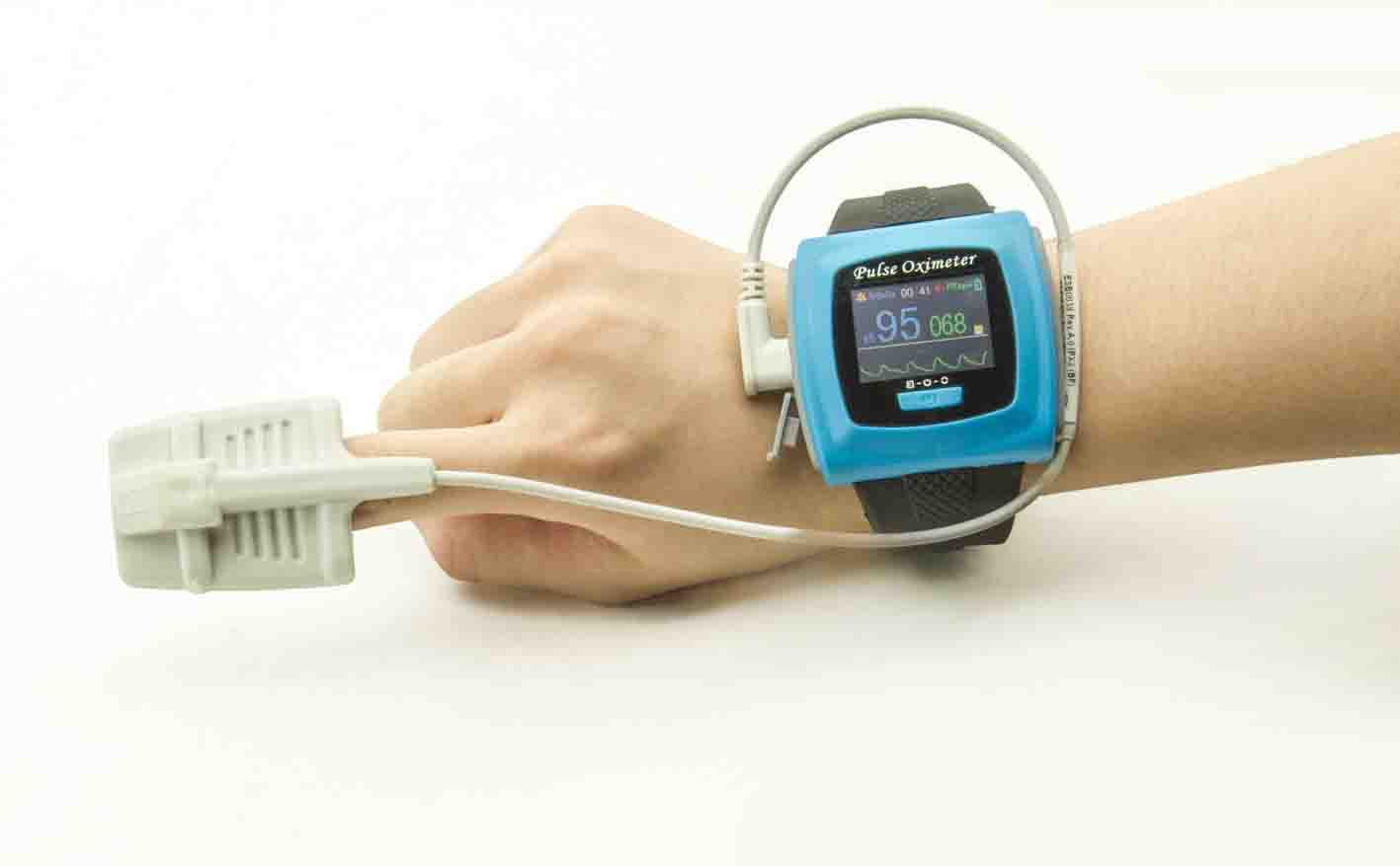
A pulse oximeter provides a record of your blood oxygen levels and heart rate while you wear the device. This information is very important to monitor the quality of your sleep, mostly if you know you have apnea episodes during sleep.
Sleep apnea pulse oximeters are expensive and generally not covered by insurance. However, finger pulse oximeters with recording capabilities can be found at much lower prices. https://torontek.com/product-category/oximeters/
The information, including but not limited to, text, graphics, images and other material contained on this website are for informational purposes only. The purpose of this website is to promote broad consumer understanding and knowledge of various health topics. It is not intended to be a substitute for professional medical advice, diagnosis or treatment. Always seek the advice of your physician or another qualified healthcare provider with any questions you may have regarding a medical condition or treatment and before undertaking a new health care regimen, and never disregard professional medical advice or delay in seeking it because of something you have read on this website
Resources:
https://www.webmd.com/sleep-disorders/sleep-apnea/diagnosing-sleep-apnea