


THE EFFECTS OF ALCOHOL ON OXYGEN LEVELS IN THE BODY
Alcohol does many things to the human body. It can make you happy, angry, relaxed and it can make you the life of a party. However, too much alcohol can also interfere with your body’s ability to absorb oxygen and on the other hand moderate alcohol consumptions may provide health benefits.
Oxygen Desaturation
Alcohol can lead to oxygen desaturation in the body. The oxygen desaturation index (ODI) is the number of times per hour of sleep that the blood’s oxygen level drop by a certain degree from baseline. The ODI is typically measured as part of standard sleep studies, such as a diagnostic polysomnogram, home sleep apnea testing, or with overnight oximetry.
Blood Sludging
Blood sludging is the clinical term used to describe the phenomenon of alcohol and your red blood cells, which, in turn, impacts your body’s ability to absorb oxygen. Once the alcohol has entered your bloodstream, it causes your red blood cells to clump together.Sludged blood in which the corpuscles, as a result of some general abnormal state, for example, burns, traumatic shock, and similar stresses, become massed together in the capillaries, and thereby block the vessels or move slowly through them.
COPD and Alcohol consumptions:
Glutathione deficiency: This antioxidant is found in the lungs. Since drinking alcohol lowers your body’s glutathione levels, it can aggravate your COPD symptoms and cause a flare-up. Decreased lung function: Chronic alcohol consumption is associated with decreasing lung function in patients with lung disease.
Moderate alcohol consumption may provide some health benefits, such as:
- Reduce your risk of developing and dying from heart disease.
- Possibly reduce your risk of ischemic stroke (when the arteries to your brain become narrowed or blocked, causing severely reduced blood flow)
- Possibly reduce your risk of diabetes.
What causes oxygen level to be low?
Lung diseases such as chronic obstructive pulmonary disease (COPD), emphysema, bronchitis, pneumonia, and pulmonary edema (fluid in the lungs) Strong pain medicines and other drugs that hold back breathing. Heart problems. Anemia (a low number of red blood cells, which carry oxygen)
Ways to get more oxygen in your blood?
Exercise is one of the best ways to cope up with oxygen.Even a small amount of exercise will help to improve your respiration ability, as your breathing rate increases and deepens your lungs can absorb more oxygen. You may also increase your water intake. Water is made up of oxygen so by increasing your water consumption you can increase the amount of oxygen in your body.
To feel assured with your normal oxygen range, simply check your oxygen saturation 4 times a day for 5 days using your fingertip oximeter. Record each measurement in the activity log and be sure to also record what you were doing prior to checking.
It’s your personal decision whether you want to drink alcohol or not, but the decision shouldn’t be taken lightly. The best approach is to discuss your personal risks with your doctor first so he or she can assess your medical history, current health, and medications. During the discussion, you and your doctor may come to a conclusion about how much alcohol you can consume without endangering yourself.
Live healthily, live longer. Making just a few changes in your lifestyle can help you live longer. A recent study found that four bad behaviors—smoking, drinking too much alcohol, not exercising, and not eating enough fruits and veggies—can hustle you into an early grave, and, in effect, the age you by as many as 12 years.
The information, including but not limited to, text, graphics, images and other material contained on this website are for informational purposes only. The purpose of this website is to promote broad consumer understanding and knowledge of various health topics. It is not intended to be a substitute for professional medical advice, diagnosis or treatment. Always seek the advice of your physician or another qualified healthcare provider with any questions you may have regarding a medical condition or treatment and before undertaking a new health care regimen, and never disregard professional medical advice or delay in seeking it because of something you have read on this website.
Resources:
http://www.domorewithoxygen.com/bid/308175/Life-With-COPD-Effects-of-Alcohol-When-You-Have-COPD
https://healthfully.com/effects-alcohol-oxygen-absorption-8017604.html

Amazing Facts About Your Unborn Baby
When you think about it, pregnancy is an amazing thing. You are growing a life, a child inside your body. It’s incredible. However, there is also some kind of strange things about pregnancy, some of which are kind of gross and others that are just a bit unusual.
12 Amazing Pregnancy Facts
-
Unborn babies can feel, see, and hear
When people bump into you, can your baby feel the knocks inside your womb? Babies have a sense of touch and respond to being stimulated within the uterus from about 17 weeks, but your body is clever and protects your baby from bumps.
-
Second trimester onwards, babies pee in the uterus. Then they drink it.
By about 12 weeks, your baby is producing urine. It can be seen swallowing amniotic fluid, which is digested and filtered by the kidneys and urinated back into the uterus.A fully formed baby in the womb is known as a fetus. Between fourteen and fifteen weeks of pregnancy, the external genitalia of the baby is more developed, and on the scan, they can be seen to suck their thumbs. As the uterus grows it presses on the bladder and mums find they need to pee more often.
3. Your baby is growing more bones than you
By the time your baby is born, it will have 300 bones in that tiny body – but adults only have 206! The bones in your baby’s body will fuse together to create the adult number. This is because babies have more cartilage than bone. A baby’s skeleton is mostly made up of cartilage. As a person grows up, most of this cartilage turns into bone in a process called ossification.
-
Babies cry in the womb
A baby’s first cry may happen in the womb long before its arrival in the delivery room. New research shows that fetuses may learn to express their displeasure by crying silently while still in the womb as early as in the 28th week of pregnancy.
-
Babies can taste what the mother is eating
Very early. Research shows that what a woman eats during pregnancy not only nourishes her baby in the womb but may shape food preferences later in life. At 21 weeks after conception, a developing baby weighs about as much as a can of Coke — and he or she can taste it, too.
-
A woman’s uterus expands to more than 500 times its normal size
Think of your uterus as a stretchy rubber balloon that expands on an as-needed basis. This muscular organ is located above the bladder and in front of the rectum. It is held in place by strong ligaments, and it is remarkably elastic, stretching to about 500 times its prepregnancy size. It grows in weight too, from a couple of ounces to more than 2 pounds. When your pregnancy is over, the uterus returns to its original size.
-
A fetus acquires fingerprints at the age of three months
A fetus acquires fingerprints at the age of three months. When only a small fraction of the way through its development, a fetus will have already developed one of the uniquely human traits: fingerprints.By the time a fetus is six months old and approximately 12 inches in size, his fingerprints and footprints are fully developed. The ridges on a fetus’s fingertips have formed three main patterns by this time, categorized as arches, loops, and whorls, with numerous patterns in between. These patterns are found on the fingertips, palms, and soles and are used to grasp things.
8. Your baby is learning a language
Sensory and brain mechanisms for hearing are developed at 30 weeks of gestational age. A new study shows that unborn babies are listening to their mothers’ talk during the last 10 weeks of pregnancy and at birth can demonstrate what they’ve heard. Babies only hours old are able to differentiate between sounds from their native language and a foreign language, scientists have discovered. The study indicates that babies begin absorbing language while still in the womb, earlier than previously thought.
-
Your baby’s heart is incredible
That precious heart takes hold and changes the world. From the development in the womb to the times when something can go wrong, baby’s heart is an amazing muscle that means more than many can even imagine. It controls the blood flow, and might even give a clue to the baby’s gender.
-
The lungs are the last organs to develop in the baby
The lungs are some of the last organs to develop in your baby’s body during the prenatal stage. Some important parts of their lungs don’t develop until the end of pregnancy.If your baby is born prematurely, their lungs may not have time to develop fully. This can lead to a variety of breathing disorders.
-
Contractions don’t stop after birth. The muscle cramps are the body’s way of stopping excess blood loss.
After the delivery of the baby, the muscles of the uterus normally tighten, or contract, to deliver the placenta. The contractions also help compress the blood vessels that were attached to the placenta. The compression helps prevent bleeding. If the muscles of the uterus don’t contract strongly enough, the blood vessels can bleed freely. This leads to excessive bleeding or hemorrhage.
-
He might be a dreamer
Babies start to sleep for 4 weeks after conception. But what’s more, the REM sleep waves associated with the eye movements of dreams have been identified by 30 weeks after conception. So your little one might even be having a dream or two.
“A baby fills a place in your heart that you never knew was empty”
The information, including but not limited to, text, graphics, images and other material contained on this website are for informational purposes only. The purpose of this website is to promote broad consumer understanding and knowledge of various health topics. It is not intended to be a substitute for professional medical advice, diagnosis or treatment. Always seek the advice of your physician or another qualified healthcare provider with any questions you may have regarding a medical condition or treatment and before undertaking a new health care regimen, and never disregard professional medical advice or delay in seeking it because of something you have read on this website.
Resources:
https://www.netmums.com/pregnancy/12-amazing-facts-about-your-unborn-baby

How to Prepare For a Vaginal Delivery
One of the biggest things pregnant women worry about as they get closer to their due date is labor and delivery. Every delivery is as unique and individual as each mother and infant. In addition, women may have completely different experiences with each new labor and delivery. Giving birth is a life-changing event that will leave an impression on you for the rest of your life.
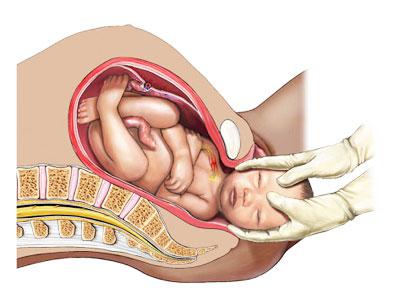
Labor and delivery
Eventually, the cervical canal must open until the cervical opening itself has reached 10 centimeters in diameter and the baby is able to pass into the birth canal.
As the baby enters the vagina, your skin and muscles stretch. The labia and perineum (the area between the vagina and the rectum) eventually reach a point of maximum stretching. At this point, the skin may feel like it’s burning.
The process of labor and birth is divided into three stages: The first stage begins when you start having contractions that cause progressive changes in your cervix and ends when your cervix is fully dilated.Early labor: Your cervix gradually effaces (thins out) and dilates (opens).
Ways to Stay Calm and Prepare for Labor & Delivery

- Choosing the right doctor: Of course, your doctor matters. But depending on your OB and her on-call schedule, she may not even be the one to deliver your baby. It could be another doctor from the practice or it could even be an ob-gyn who happens to be working at the hospital the night you go into labor——someone you’ve never met before.
- Where to give birth: Not all doctors have the right to practice in every hospital. Just because the perfect doctor is only 30 minutes away does not mean he or she will be able to attend the birth at the local hospital in case of emergency delivery. The doctor will be able to offer a list of hospitals where he or she has practicing rights.
- Talk to your doctor about any concerns you have: This is a great, easy way to help you stay calm and prepare for labor and delivery. Your doctor will have solutions to probably any fear you have about childbirth. And you’re presumably going to have them there during delivery, so communicating and being on the same page is very important.
- Practice breathing and meditation: Breathing properly helps to relieve pain during labor as well as increases the amount of oxygen for both mom and baby. When being stressed or panic, the breath becomes fast and shallow, which can make you lose control and soon exhausted. So, learning the proper breathing technique will help pregnant women during labor. Read more https://sonoline.ca/proper-breathing-during-labor-and-delivery/
- Write the birth plan: Beyond the must-haves, think about how you envision your birthing experience. Some hospitals are more supportive of natural childbirth than others. A birthing plan is not for everybody. A birth plan is a way for you to communicate your wishes to the midwives and doctors who care for you in labor. It tells them about the type of labor and birth you’d like to have, what you want to happen, and what you want to avoid.
- Pack the hospital bag: The hospital bag is one of the highlights of waiting for baby. When packing the hospital bag, mom needs to remember the baby’s first outfit, diapers, wipes and any supplies needed to feed baby either by breast or bottle.

- Preparing the body: Vaginal delivery is hard; there is no other way to put it. Mom needs to keep her body in top shape to keep up with the stresses and pains of delivery. This includes eating right and getting enough sleep every night.
- Preparing the vagina: The vagina also needs to undergo some preparation. Mom can use Kegel exercises to prepare the vagina for the birth. The term “stretchy vagina” might not exactly sound like a good thing, but when you’ve got a small human inside your body needing to get out, and it can save a whole lot of pain and – hold your breath – tearing.When urinating, mom can practice stopping the stream several times during the urine flow. The muscles used to stop the urine stream are the same ones that need to be strong during a vaginal birth. Once mom feels the muscles, she will be able to do the exercises whenever she wants.
- To breastfeed or bottle feed: Before going into labor, mom needs to decide whether she will be breastfeeding or bottle feeding. If breastfeeding is the choice, the first feeding can occur only moments after birth in some cases.Beyond that, breastfeeding is encouraged until at least 12 months, and longer if both the mother and baby are willing. Although experts believe breast milk is the best nutritional choice for infants, breastfeeding may not be possible for all women.The decision to breastfeed or formula feed your baby is a personal one.
- Accept that you can’t control everything: Childbirth isn’t something you can guarantee is going to go perfectly. It’s okay if you can’t stick to everything on your birth plan, and it’s okay if you have to have a C-section instead of a vaginal delivery. The most important thing is your health and the health of the baby, and you have to accept that there are things that are out of your hands that you can’t control. Just let go a little bit and put your trust in the doctors and nurses taking care of you.

Childbirth is crazy and weird, but it’s also an amazing miracle. Pain during labor is caused by contractions of the muscles of the uterus and by pressure on the cervix. This pain can be felt as strong cramping in the abdomen, groin, and back, as well as an achy feeling.You shouldn’t be scared and you shouldn’t worry about the what if’s. You should be excited and feel confident in your ability to push that baby out! When the time comes, you’ll have a team of people you can trust on your side, and you’ll be ready to go. Good luck!
The information, including but not limited to, text, graphics, images and other material contained on this website are for informational purposes only. The purpose of this website is to promote broad consumer understanding and knowledge of various health topics. It is not intended to be a substitute for professional medical advice, diagnosis or treatment. Always seek the advice of your physician or another qualified healthcare provider with any questions you may have regarding a medical condition or treatment and before undertaking a new health care regimen, and never disregard professional medical advice or delay in seeking it because of something you have read on this website.
Resources:
https://www.babymed.com/12-steps/how-prepare-vaginal-delivery-during-pregnancy-12-steps
https://www.lifewithmylittles.com/ways-to-stay-calm-and-prepare-for-labor-and-delivery/

Second Trimester Must-Haves
Pregnancy brings a new meaning to the concept of beauty. It is a period of immense joy coupled with excitement. The feeling of carrying a little soul within you is magnificent. Pregnancy is a time to celebrate because a little angel is coming soon.
The second trimester is the best part of pregnancy. Your nausea has subsided, you’re sleeping a little better, plus you’re finally looking legitimately pregnant. You will still probably use some of the things off of my first-trimester must-haves, but below are the list of additional must-haves for a happy second trimester!
Maternity wear
Clothes are definitely getting tighter at this point of your pregnancy so you’ll want to invest in some new clothing. I recommend loose dresses because not only are they comfortable, but they can grow with you and be worn after you have a baby. As your baby belly grows you’ll need a few key items of maternity wear. A good pair of maternity jeans that make you feel comfortable and will last you through the pregnancy is a savvy buy.
Sleep Aids
By now you may need some extra help getting a good night’s sleep. Fans, noise machines, earplugs, and body pillows are all useful aids for helping pregnant women get their zzz’s.
Comfy Pajamas
It’s common to feel really tired while pregnant. Your body is going through so much and working hard so you definitely want to get as much sleep/rest while you can and you will be most comfortable sleeping on your side as your belly grows. Now that your old pajamas probably don’t exactly fit so well anymore, it’s time to get a few pairs of comfortable Pajamas to survive these last few months.
Support Bra
By this stage – if not before – your breasts may have grown and felt more sensitive.Traditional bras don’t have room for the diaphragm to grow during pregnancy and they also have a traditional underwire which is not recommended to wear while pregnant or nursing. Having wider straps on a maternity bra is also important for support, especially for larger cup bras.Maternity bras provide firm elastic support without using wires.
Doula
A doula is a professional trained in childbirth who provides emotional, physical, and educational support to a mother who is expecting, is experiencing labor, or has recently given birth. The doula’s purpose is to help women have a safe, memorable, and empowering birthing experience. Whether you want a natural birth, a medicated birth, or a c-section, a doula is a great person to add to your support team to help you have the positive experience that you want.This is the time during your pregnancy to start interviewing and choosing the right doula for you.
Pregnancy books
Reading is one of the most vital talents a child needs in order to be successful in life. Books are one’s best friend and the early we inculcate this habit, it is excellent for the child. Reading while pregnancy not only increases the knowledge but also helps in making the bond between the mother and the baby stronger. It also triggers better concentration, a good attention span, distressing the mother of her tensions, resulting in a smarter baby.
The information, including but not limited to, text, graphics, images and other material contained on this website are for informational purposes only. The purpose of this website is to promote broad consumer understanding and knowledge of various health topics. It is not intended to be a substitute for professional medical advice, diagnosis or treatment. Always seek the advice of your physician or another qualified healthcare provider with any questions you may have regarding a medical condition or treatment and before undertaking a new health care regimen, and never disregard professional medical advice or delay in seeking it because of something you have read on this website.
Resources:
https://www.baby-chick.com/second-trimester-must-haves/
https://www.babycenter.com/0_pregnancy-shopping-checklist-second-trimester_5679.bc

Hypoxia and Hypoxemia
Hypoxia deficiency in the amount of oxygen reaching the tissues.
Hypoxemia an abnormally low concentration of oxygen in the blood.
When your body doesn’t have enough oxygen, you could get Hypoxemia or hypoxia. These are dangerous conditions. Without oxygen, your brain, liver, and other organs can be damaged just minutes after symptoms start.
Hypoxemia (low oxygen in your blood) can cause hypoxia (low oxygen in your tissues) when your blood doesn’t carry enough oxygen to your tissues to meet your body’s needs. The word hypoxia is sometimes used to describe both problems.
Symptoms
Although they can vary from person to person, the most common hypoxia symptoms are:
- Changes in the color of your skin, ranging from blue to cherry red
- Confusion
- Cough
- Fast heart rate
- Rapid breathing
- Shortness of breath
- Sweating
- Wheezing
- The inability to communicate
- Possible Coma or death
How It’s Treated
You’ll need to go to the hospital to get treatment for hypoxia and to keep a check on your oxygen level.
The most important thing is to get more oxygen into your body. You’ll receive it through a small plug in your nose or through a mask that covers your nose and mouth. For many people, this is enough to bring your oxygen level up to normal.
An inhaler or asthma medicine by mouth may make breathing easier. If these don’t help, the doctor might try giving you medicine through a vein in your arm (an IV). You might also need steroid drugs for a short time to shrink inflammation in your lungs.
When your life is in danger and other treatments aren’t working, you may need a machine to help you breathe.
Causes of Hypoxia
A severe asthma attack, or flare, can cause hypoxia in adults and kids. During an attack, your airways narrow, making it hard to get air into your lungs. Coughing to clear your lungs uses even more oxygen and can make symptoms worse.
Hypoxia can also result from lung damage due to trauma.
Other things can cause hypoxia include:
- Lung diseases such as chronic obstructive pulmonary disease (COPD) emphysema, bronchitis, pneumonia and pulmonary edema (fluid in the lungs)
- Strong pain medicines and other drugs that hold back breathing
- Heart problems
- Anemia (a low number of red blood cells, which carry oxygen)
- Cyanide poisoning (Cyanide is a chemical used to make plastics and other products.)
Preventing Hypoxia
The best way to prevent hypoxia is to keep your asthma under control, every day. Stick with your asthma treatment plan.
- Take your medicine to help prevent flares and the need to use your rescue inhaler.
- Eat right and stay active.
- Know your asthma triggers, and find ways to avoid them.
Work with your doctor to come up with an action plan for asthma attacks, so you know what to do when you have trouble breathing.
How is hypoxia and/or hypoxemia diagnosed?
In general, an individual patient’s hypoxemia is usually diagnosed by oxygen monitors placed on fingers or ears (pulse oximeter) and/or by determining the oxygen level in a blood gas sample (a sample of blood taken from an artery ). Normal readings are about 94% to 99% oxygen saturation levels; generally, oxygen is supplied if the level is about 92% or below.
Other tests may be ordered to determine if other potential problems such as carbon monoxide poisoning are responsible for the hypoxia.
Pulmonary function tests may also be ordered along with other studies to help determine the cause of unexplained low oxygen saturation.
The information, including but not limited to, text, graphics, images and other material contained on this website are for informational purposes only. The purpose of this website is to promote broad consumer understanding and knowledge of various health topics. It is not intended to be a substitute for professional medical advice, diagnosis or treatment. Always seek the advice of your physician or another qualified healthcare provider with any questions you may have regarding a medical condition or treatment and before undertaking a new health care regimen, and never disregard professional medical advice or delay in seeking it because of something you have read on this website.
Resources:
https://www.medicinenet.com/hypoxia_and_hypoxemia/article.htm
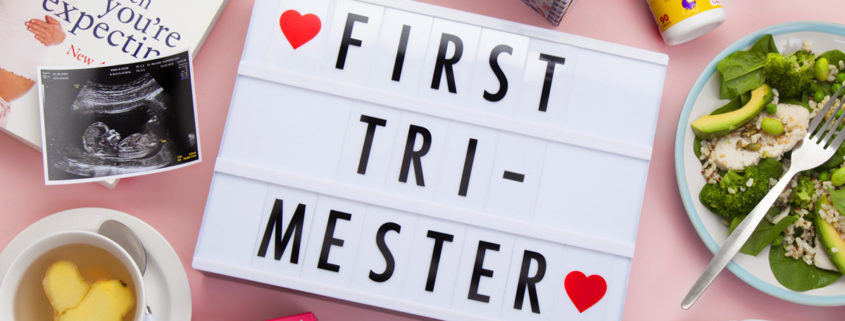
Pregnancy Kit must haves for First Trimester
Congratulations – you’re having a baby! When you are pregnant, thinking of all the stuff you may need for the baby can be mind blowing. First trimester is always a DOOZY. Any way you slice it. It’s just hard! But don’t jump the gun – they’re not even born yet so concentrate on the pregnancy must haves that will make YOU feel better along the way.
New Pants or a Waistband extender 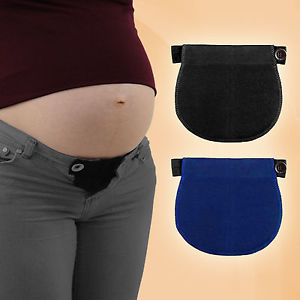
Your belly may not be visibly rounder yet, but your pants may not be fitting as well, even just a few weeks in. A new pair of pants with a bit of Lycra stretch might round out your wardrobe perfectly.If you don’t want to start buying new clothes just yet, try a waistband extender such as the Belly Belt or Bella Band. Keeping comfy is your new mission, and it’s more important than you may think: Some women report that a looser waistband helps with morning sickness.
Folic Acid
 If you’re pregnant or might become pregnant, it’s critically important to get enough folic acid, the synthetic form of vitamin B9, also known as folate. Folic acid helps prevent neural tube defects (NTDs) – serious birth defects of the spinal cord (such as spina bifida) and the brain (such as anencephaly).Taking a folic acid supplement, ideally before you conceive, and then every day for the entire first trimester will help prevent neural tube defects. A daily 400 mcg (microgram) supplement is recommended for most women. Some women need a 5mg (milligram) daily dose so check with your doctor if this applies to you.
Vitamin D 

The study confirmed vitamin D at this level is not only safe for you, but for your baby, and the researchers from this study now recommend this daily dosage of vitamin D for all pregnant women. The average prenatal vitamin only contains 400 IU of vitamin D, so additional supplementation should be taken daily. The Department of Health advice is to consider taking a 10 mcg (microgram) daily supplement. Vitamin D helps keep bones, muscles, and teeth healthy and it can be hard when pregnant to get the amount you need from food and sunlight alone.
Sickness Bands
The first 12 weeks of pregnancy is the time when morning sickness can often make you feel wretched. Morning sickness acupressure bands that you wear around your wrist may help alleviate that nauseous feeling that affects around 80% of women.
Body Pillow
 During pregnancy, you may find yourself wrestling in bed trying to get comfortable before falling asleep. Unfortunately, your regular sleeping positions may no longer work for you during pregnancy. There are a number of reasons for this new discomfort, but there are some sleeping positions that you can try that may help you get your much-needed rest. Pillows can help you avoid sleepless nights. You can try various pillows, either regularly used ones or those available specifically for pregnancy use. You may use body-length, U or C-shaped pillows, or wedge-shaped pillows to support your tummy or chest.
Read more: https://sonoline.ca/simple-guide-to-sleeping-well-during-pregnancy/
Tooth Care
 Oral health care – including teeth cleaning, X-rays, pain medication, and local anesthesia – is safe throughout pregnancy. In fact, it’s especially important to have a dental checkup, dental cleaning, and any necessary treatment during pregnancy. Pregnant women are susceptible to gingivitis (inflammation of the gums).
A comfy cotton Bra
The Dual-Use Maternity and Nursing Bra. Later in pregnancy, you have a feel for how things are going with your body. A multi-use bra can be key after the baby comes, for nursing, pumping, and overall comfort.This can double as a nursing and sleep bra because of the wide, comfy cotton that surrounds your breasts.
A good body lotion
Your skin is extra-sensitive now that you’re pregnant. Body scrubs and exfoliants can actually cause micro-tears on your skin, which isn’t just irritating, it can also make it easier for chemicals to be absorbed into it. You’re better off using a loofah or soft washcloth to scrub away dead skin cells.Cocoa Butter for stretch mark. Containing cocoa butter, vitamin E, collagen, elastin and shea butter, this cream is safe to use during pregnancy.
Baby Heartbeat Monitor (Fetal Doppler) 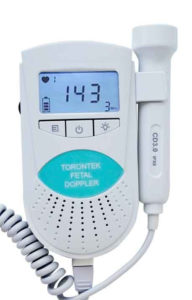
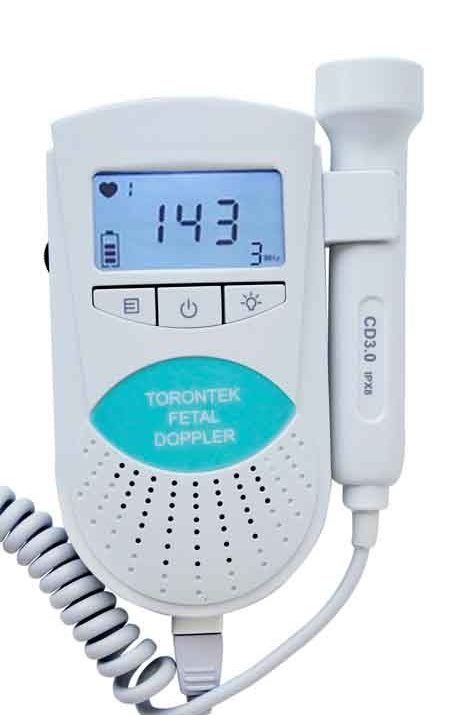
A Doppler fetal monitor is a hand-held ultrasound transducer used to detect the fetal heartbeat for prenatal care. sometimes referred to as a pocket fetal Doppler. It uses the Doppler effect to provide an audible simulation of the heartbeat. The device sends sound waves through your skin and tissue in search of any movement. When movement is detected, the waves bounce back, creating a pattern, which the fetal Doppler records and plays back for you.You may be able to hear – and see – your baby’s heartbeat for the first time when you’re about 8 weeks pregnant if you have an early ultrasound exam. Otherwise, you’ll probably first hear baby’s heartbeat with a fetal doppler until 10 to 12 weeks.However, baby’s heart starts to beat at around 6 weeks. Fetal Doppler is highly recommended to ease anxiety and feel reassure throughout pregnancy.
Read more: http://torontek.com/pregnancy/what-is-fetal-doppler/
Pregnancy Journal 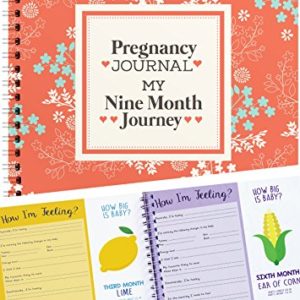

Collecting your thoughts and putting pen to paper is especially rewarding during pregnancy. Not only will you have a personal record of your life during this time, you’ll create a special gift for your child years later. Few experiences are more magical than creating a new life in your own body and then watching it grow. Pregnancy is also a time of transformation and deep questioning for you. A pregnant woman’s inner life is powerful, private, and often disturbing. After pregnancy, nothing is ever the same.By keeping a diary or journal, a woman chooses to confront rather than ignore the issues that come up for her during pregnancy. Her quiet time of introspection and writing will be among the most important moments she spends on her journey into motherhood.
The information, including but not limited to, text, graphics, images and other material contained on this website are for informational purposes only. The purpose of this website is to promote broad consumer understanding and knowledge of various health topics. It is not intended to be a substitute for professional medical advice, diagnosis or treatment. Always seek the advice of your physician or another qualified healthcare provider with any questions you may have regarding a medical condition or treatment and before undertaking a new health care regimen, and never disregard professional medical advice or delay in seeking it because of something you have read on this website.
Resources: