
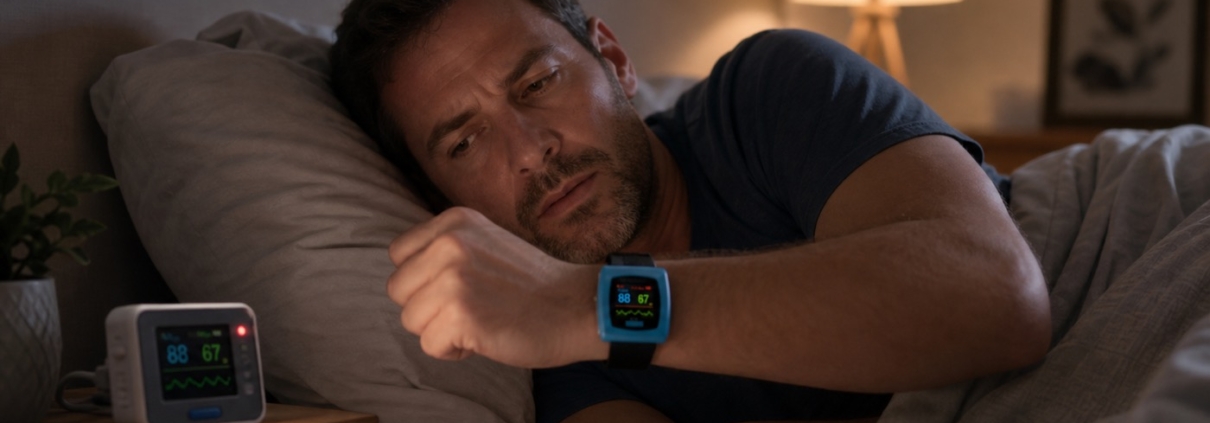
If My Pulse Oximeter Alarms and Wakes Me Up, Will This Help With Sleep Apnea?
A pulse oximeter alarm may help you respond to a low-oxygen moment, but it is not a cure or substitute for sleep apnea diagnosis and treatment.
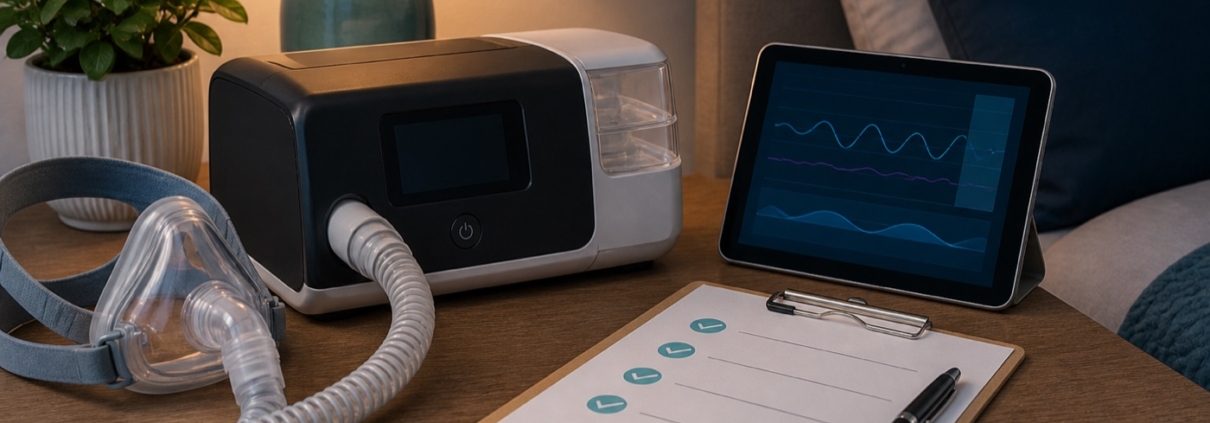
APAP Device Safety Updates: What Sleep Apnea Patients Should Check
Recent APAP device safety reporting is a reminder to verify your exact machine model, use authorized updates, document shutdowns or symptom changes, and keep clinician follow-up central to sleep apnea treatment.
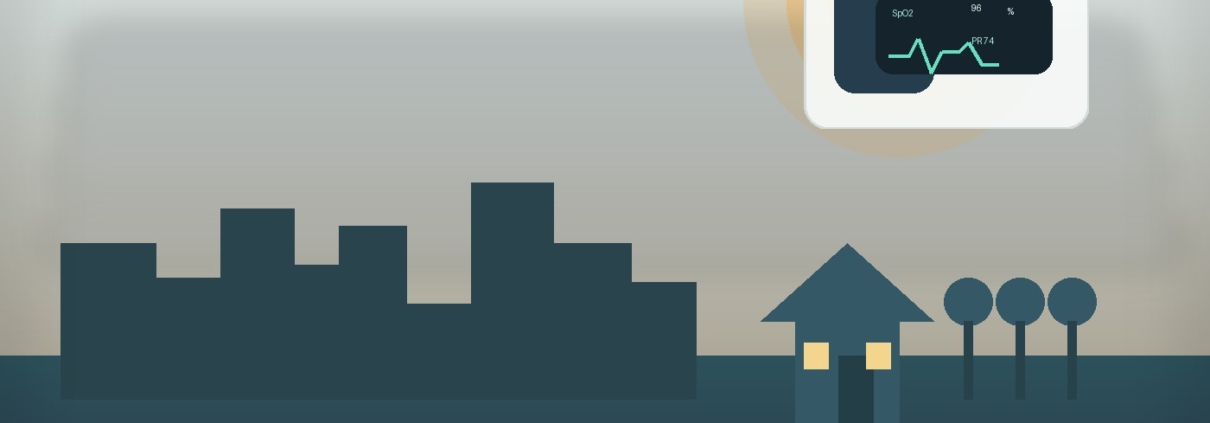
Wildfire Smoke and Extreme Heat in Canada: What to Do First and Where Pulse Oximeters Fit
As of Monday, August 17, 2026, wildfire smoke and extreme heat remain active Canadian health concerns. This article explains what to prioritize first, how to use official alerts, and where pulse oximeter spot checks fit and where they do not.
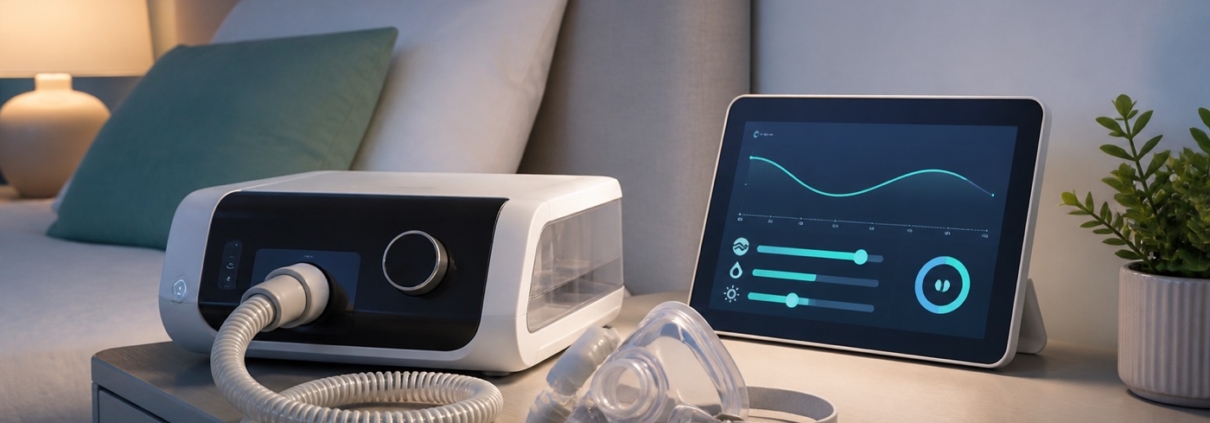
AI-Enabled CPAP Comfort Tools: What Sleep Apnea Patients Should Know
AI CPAP comfort tools may help personalize comfort support and early therapy coaching, but they do not replace sleep apnea testing, prescribed settings, or clinician follow-up.
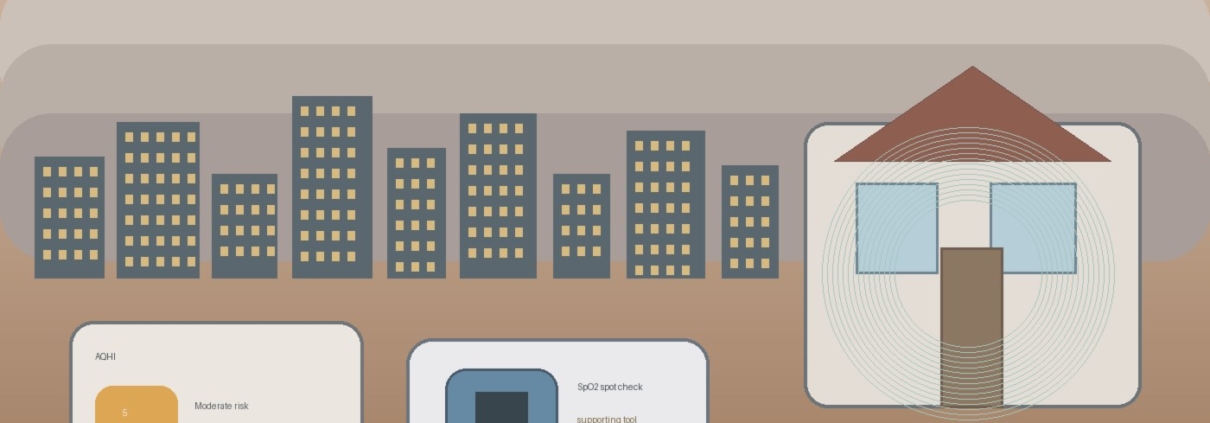
Preparing for Wildfire Smoke in Canada: A Home Checklist and Where Pulse Oximeters Fit
As of Friday, August 7, 2026, wildfire season remains an active Canada health topic. This article explains how to prepare for smoke events, cleaner indoor air, and where pulse oximeter spot checks fit and where they do not.
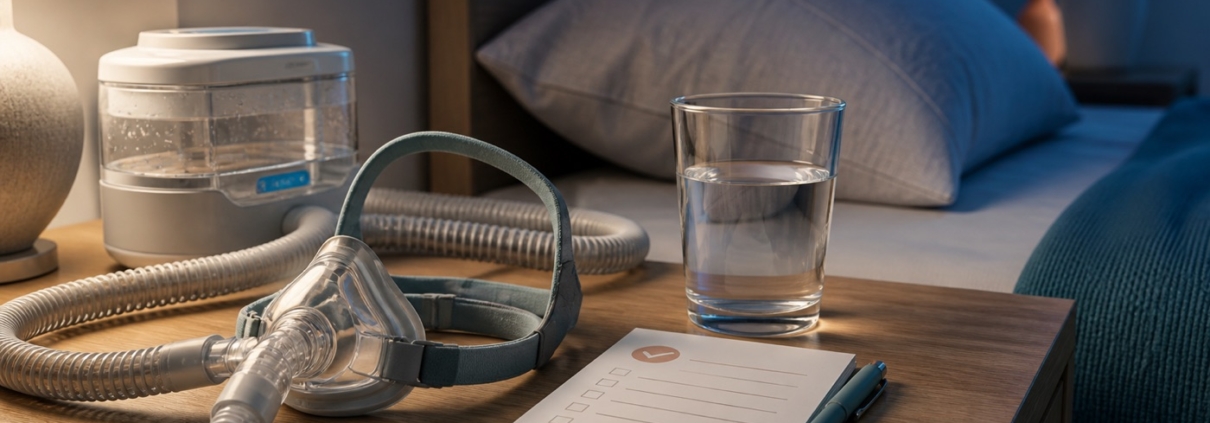
CPAP Nasal Congestion and Sleep Apnea: What to Check Before You Give Up on Therapy
CPAP nasal congestion can make sleep apnea therapy harder, but it does not always mean CPAP has failed. Learn what nasal symptoms mean, what to check, and when to ask a clinician for help.