
Radon Testing in Canada: Start Your Home Test This Fall
Start a long-term radon test this fall, understand Canada’s guideline, and learn why blood oxygen readings cannot assess radon in your home.
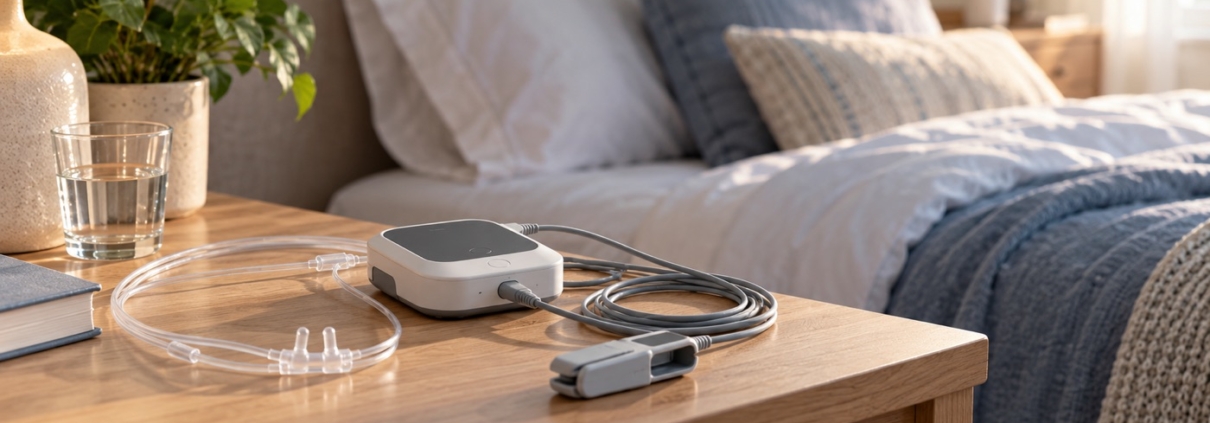
Negative Home Sleep Apnea Test: What Should You Do Next?
A negative home sleep apnea test can miss obstructive sleep apnea. Learn what the result means, why an in-lab study may be recommended, and how to discuss next steps.
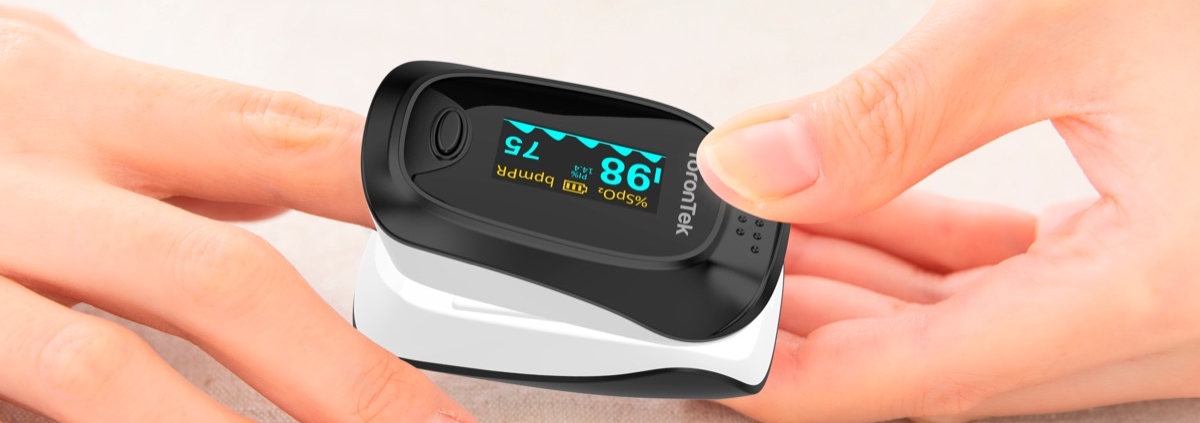
Cold Hands and Pulse Oximeter Readings: A Canadian Guide
Cold fingers can interfere with home oxygen readings. Learn practical measurement checks, device limitations and when to contact a healthcare professional.
Thanksgiving Respiratory Illness Prevention in Canada
Plan a considerate Thanksgiving visit with Canadian advice on illness, indoor air and masks. Learn why an oxygen reading cannot confirm someone is non-infectious.
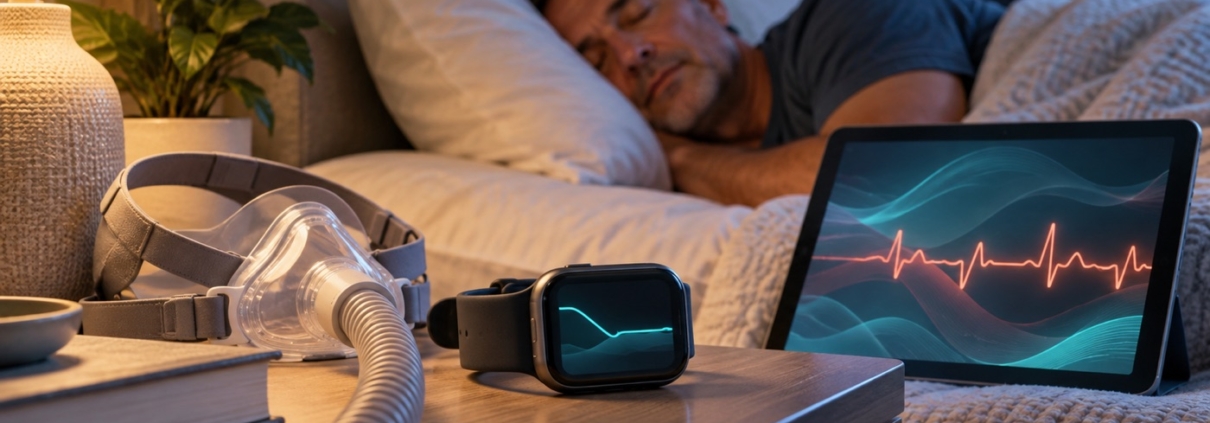
Sleep Apnea and AFib: Why Overnight Oxygen Drops Matter
Sleep apnea and AFib are connected through repeated nighttime breathing interruptions, oxygen drops, and heart stress. Learn what SpO2 trends can and cannot show.
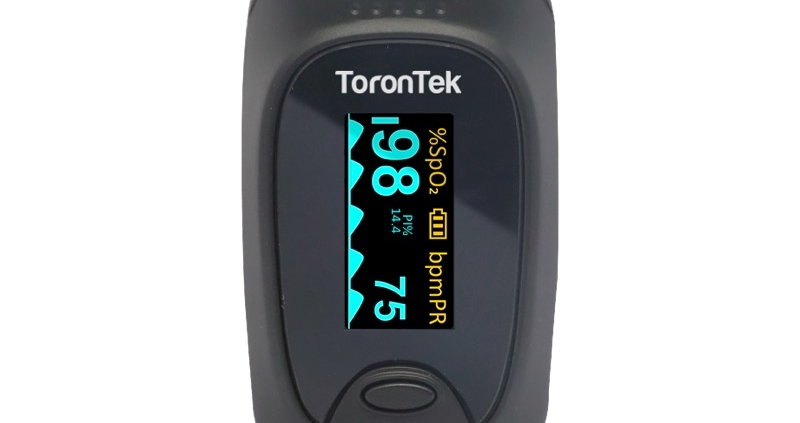
Can a Pulse Oximeter Detect Carbon Monoxide?
A normal oxygen reading cannot rule out carbon monoxide exposure. Learn the different roles of pulse oximeters, CO alarms and clinical testing this fall.