


How to Have a Smart Baby
Living a healthy lifestyle while you’re expecting helps your baby grow big and strong, but did you know it can make her smarter too? In fact, simple choices that you make every day, from eating a leafy-green salad for lunch to hitting the treadmill for a workout, can help build her brain. What you do while you’re pregnant can have as much impact on your child’s brain development and future intelligence as what you do after you give birth and taking care of yourself now will help prepare your baby to be an active learner.
Lowered Autism Odds:
Pop Your Prenatal Vitamin Daily
Taking it will help ensure that you get the balance of nutrients your baby needs, like folic acid and vitamin B12 to make red blood cells, vitamin C to produce collagen, vitamin D for bone building, and zinc for brain development. If your vitamin upsets your stomach, don’t just ditch it: Try taking it with a meal, or talk to your doctor about switching brands.
Get Omega-3s

Fish, rich in omega-3 fatty acids, may boost your baby’s brain power. In a study from Harvard Medical School, the more fish women ate during the second trimester, the higher their babies scored on a mental-development test at 6 months of age. Omega-3s are found in brain-cell membranes, so there are plenty of ways they can influence brain function, says Lisa Eliot, Ph.D., assistant professor at Rosalind Franklin University of Medicine and Science, in Chicago. If you don’t like fish, talk to your doctor about taking a fish-oil supplement.
Pump Up Iron
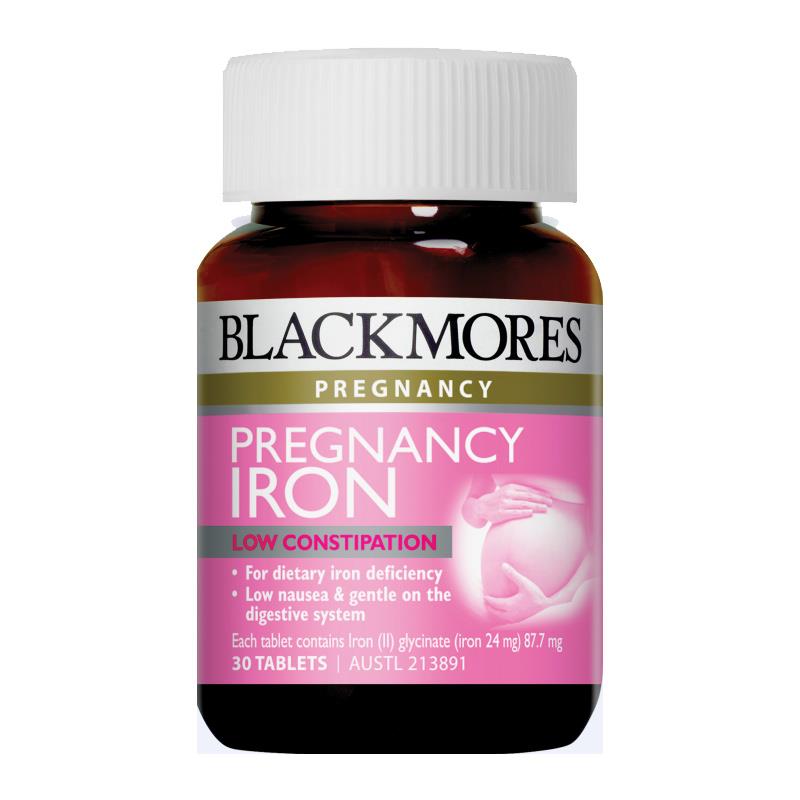 Your iron intake needs to double during pregnancy since iron helps deliver life-sustaining oxygen to your baby. Iron helps promote the growth of healthy red blood cells, which carry oxygen to your baby’s brain. Trouble is, many women enter pregnancy already deficient, says Somer. If your baby’s deprived of oxygen in the womb, the risk of poor growth — and lower IQ — increases. Ask your doctor to test you for iron deficiency. Then make sure your diet includes iron-rich foods like lean beef, chicken, legumes, beans, spinach, tofu and as well as iron-enhanced cereals.
Increased Intelligence:
Working out will give you the stamina you need for labor and delivery, and it can also strengthen your baby’s brain. According to a study in the Journal of the American College of Sports Medicine, children of moms who exercised during pregnancy scored higher on tests of language skills and intelligence at age 5 compared with the kids of sedentary moms. Why? Moderate levels of cortisol — a stress hormone that’s also secreted when you exercise — promote the growth and development of your baby’s brain, as well as his other major organs. Experts recommend 30 minutes of moderate exercise for pregnant women on all or most days of the week.
Maximum Brainpower:
Fetal Brain Development
The fetal brain goes through several stages of development. During the first trimester, the nerve cells form but are not actually developed as a brain. Impulses begin to fire without pattern or direction. Sensory organs and nerves are not developed at this point, so the fetus does not feel pain. During this time, it’s especially important to avoid chemicals and dangerous substances. The first trimester is a time of exponential growth.
During the second trimester, nerve functions start to synchronize and differentiate. The sensory organ begins development, as do the nerves. About the 5th month, the baby can now start to feel, although the sensations they feel are very limited and erratic. Those healthy fats provide faster development and healthier nerve connections.
During the last trimester, the brain is forming learning abilities and beginning memories. This is a time where exposure to classical music and soothing sounds will affect the child’s disposition later in life.
Be Mindful of Mercury
Fish is good for your baby’s brain, but you do need to take a few precautions. Mercury contamination in some fish may be harmful. The Food and Drug Administration advises all pregnant women to avoid shark, tilefish, king mackerel, and swordfish completely since they contain the highest levels. Some lower-mercury options: salmon, catfish, pollack, whitefish, tilapia, and shrimp. Even with these varieties, you should limit all fish to 12 ounces (about two meals) per week. And opt for canned light tuna over canned white albacore, which has more mercury.
Munch on Fruits and Veggies 
Produce contains antioxidants, which are good for your baby. “Antioxidants protect the baby’s brain tissue from damage,” says nutritionist Elizabeth Somer, RD, author of Nutrition for a Healthy Pregnancy. Choose deep-colored produce — like dark leafy greens, papaya, blueberries, and tomatoes — for the biggest antioxidant punch. Regular consumption of fruit is known to reduce a variety of health complications such as Alzheimer’s or preventing weight gain but now new research has suggested that we may benefit from a diet high in fruit earlier than we thought.
Child development experts in Canada found that women who eat fruit during their pregnancy are more likely to give birth to smarter children than those who do not or eat very little fruit.
Avoid Alcohol
Though fetal alcohol syndrome is associated with heavy alcohol abuse during pregnancy, even moderate amounts of beer, wine, or liquor can harm a baby’s brain, according to the March of Dimes. Light to moderate drinking can lead to problems with learning, attention, memory, and social skills down the road.
Don’t Gain Too Much
You’re eating for two now, but packing on too many pounds during pregnancy ups your chances of a premature delivery — and babies born early may be at a disadvantage when it comes to learning. “Premature delivery is one of the greatest risk factors for mental impairment,” says Dr. Lise Eliot. “There’s a strong link between birth weight, IQ score, and school achievement.” What’s the connection? Babies born early miss out on the unique nourishment that the placenta provides, are exposed to stimuli they’re normally protected from in the womb and are more vulnerable to infection. To keep your weight healthy, follow these guidelines:
- If you’re currently a normal weight, gain 25-35 pounds.
- f you’re currently overweight, gain 15-25 pounds.
- If you’re currently underweight, gain 28-40 pounds.
Your baby’s brain will develop through various experiences and exercises. Senses of touch, smell, sight, sound, and taste will also aid this development process. You need to start giving your baby different sensory experiences from an early age, to help him identify and differentiate things. Development of his cognitive and motor skills will help you know how to raise a smart baby.
The information, including but not limited to, text, graphics, images and other material contained on this website are for informational purposes only. The purpose of this website is to promote broad consumer understanding and knowledge of various health topics. It is not intended to be a substitute for professional medical advice, diagnosis or treatment. Always seek the advice of your physician or another qualified healthcare provider with any questions you may have regarding a medical condition or treatment and before undertaking a new health care regimen, and never disregard professional medical advice or delay in seeking it because of something you have read on this website.
Resources:
https://www.parents.com/pregnancy/my-baby/how-to-have-a-smart-baby-pregnancy-brain-power-boosters/

Benefits of Drinking Water During Pregnancy
Whether you’re pregnant or not, your body needs water to function properly. However, drinking water during pregnancy is twice as important and critical to the health of you and your new bundle of joy.
Water is responsible for carrying oxygen and nutrients to our cells, tissues, and organs, staying hydrated ensures that essential nutrients are being transported to meet the developmental needs of your growing baby. Drinking water also helps preserve an adequate level of amniotic fluid and even aids fetal kidney function by facilitating the amount of waste your baby’s kidneys filter.
Hydration:
 Water can also help keep the aches and growing pains associated with being pregnant at bay, as it helps prevent dehydration —a main contributor to the headaches, cramping, and dizziness you may experience during pregnancy.
Some women even claim that drinking water helps alleviate morning sickness, heartburn, and indigestion. Hydration becomes especially important during the third trimester because dehydration can trigger contractions that can lead to preterm labor.
A common sign of dehydration is “maternal overheating.” Having adequate water in your system will help you regulate your body heat; however, if you are not drinking enough water during pregnancy, you can be prone to overheating. A sign of being well-hydrated is having a clear urine color, as opposed to dark yellow.
A pregnant woman needs, on average, approximately 10 cups (2.3 liters) of fluid per day.
Morning Sickness
Around 80 percent of expectant mothers experience some form of morning sickness during pregnancy. Some women feel sick all day, while others merely feel queasy before eating breakfast. Certain symptoms, including vomiting, increase your risk of dehydration. Because dehydration can aggravate nausea, proper hydration may help relieve some symptoms of morning sickness. Signs of dehydration include dry mouth, urinating less frequently, dizziness and cracked lips. Consult your physician if you experience signs of dehydration or are unable to keep fluids down.
If you make it a priority to stay adequately hydrated over the next nine months, you’ll be setting your little one up for a healthy life outside the womb. So here’s to you and your little one cheers to a healthy pregnancy!
Foods to Keep You Hydrated during Pregnancy
Watermelon Water content: 92%
 With “water” in its name, of course, this fruit makes the list! Watermelon is a great way to add more fluid to your day. Enjoy watermelon slices or dice and toss with fresh mint, crumbled feta cheese, and a splash of balsamic vinegar for a refreshing snack.
Strawberries Water content: 91% 
These little berries provide bountiful nutrition but also supply a solid amount of water too. At 91 percent water, it’s smart to add this naturally hydrating food to salads, yogurt parfaits, smoothies, cereal, and more.
Cucumbers Water content: 95%
Looking for a little crunch with your hydration? Try cucumbers! They supply plenty of water and taste great in your Greek salad, as a dipper for hummus, or as an addition to your taco.
Yogurt
Water content: 85%
How about a little protein to go with your water? Yogurt supplies a healthy dose of non-meat protein, along with bone-building calcium and water. Top it with fresh berries for even more nutritious hydration.
Lettuce Water content: 95%
 Speaking of crunch, did you know that bowl of lettuce you’re eating is loaded with water too? Fill up your salad plate once or even twice to get a refreshing boost of water.
If staying hydrated is a struggle for you, get in the habit of bringing a water bottle with you everywhere you go. Having a water bottle handy throughout the day will remind you to stay hydrated and challenge you to drink the recommended amount of water each day.
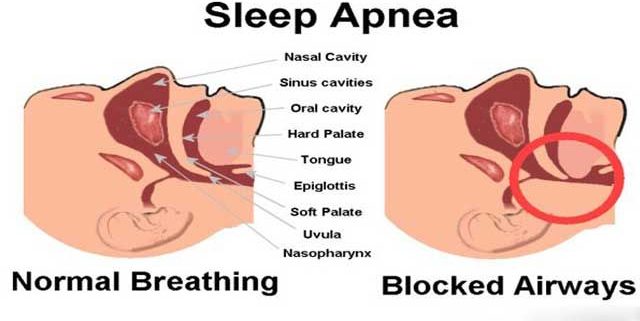
What you need to know about Sleep Apnea
What is Sleep apnea?
is a serious sleep disorder that occurs when a person’s breathing is interrupted during sleep. People with untreated sleep apnea stop breathing repeatedly during their sleep, sometimes hundreds of times. This means the brain — and the rest of the body — may not get enough oxygen. You may have sleep apnea if you snore loudly, and you feel tired even after a full night’s sleep.
“Sleep apnea can affect anyone at any age, even children.”
Types of sleep apnea:
- Obstructive sleep apnea, the more common form that occurs when throat muscles relax.
- Central sleep apnea, which occurs when your brain doesn’t send proper signals to the muscles that control breathing.
- Complex sleep apnea syndrome, also known as treatment-emergent central sleep apnea, occurs when someone has both obstructive sleep apnea and central sleep apnea.
If you think you might have any form of sleep apnea, see your doctor. Treatment can ease your symptoms and may help prevent heart problems and other complications.
Causes of Obstructive Sleep Apnea
Obstructive sleep apnea occurs when the muscles in the back of your throat relax. These muscles support the soft palate, the triangular piece of tissue hanging from the soft palate (uvula), the tonsils, the side walls of the throat and the tongue.
When the muscles relax, your airway narrows or closes as you breathe in, and you can’t get an adequate breath in. This may lower the level of oxygen in your blood.
Your brain senses this inability to breathe and briefly rouses you from sleep so that you can reopen your airway. This awakening is usually so brief that you don’t remember it.
You may make a snorting, choking or gasping sound. This pattern can repeat itself five to 30 times or more each hour, all night long. These disruptions impair your ability to reach the desired deep, restful phases of sleep, and you’ll probably feel sleepy during your waking hours.
People with obstructive sleep apnea may not be aware that their sleep was interrupted. In fact, some people with this type of sleep apnea think they sleep well all night.
Symptoms
The signs and symptoms of obstructive and central sleep apneas overlap, sometimes making the type of sleep apnea more difficult to determine. The most common signs and symptoms of obstructive and central sleep apneas include:
- Loud snoring, which is usually more prominent in obstructive sleep apnea
- Episodes of breathing cessation during sleep witnessed by another person
- Abrupt awakenings accompanied by shortness of breath, which more likely indicates central sleep apnea
- Awakening with a dry mouth or a sore throat
- A morning headache
- Difficulty staying asleep (insomnia)
- Excessive daytime sleepiness (hypersomnia)
- Attention problems
- Irritability
- Forgetfulness, mood changes, a decreased interest in Sex
Risk factors for sleep apnea include:
- Being male. Men are twice as likely to have sleep apnea. However, women increase their risk if they’re overweight, and their risk also appears to rise after menopause.
- Being overweight. People who are obese have four times the risk of sleep apnea that people who are a normal weight people do. Fat deposits around your upper airway may obstruct your breathing. But not everyone who has sleep apnea is overweight.
- Being over age 40. Sleep apnea occurs significantly more often in older adults.
- Having a large neck size. (17 inches or greater in men and 16 inches or greater in women). People with thicker necks may have narrower airways.
- Having a family history. If you have family members with sleep apnea, you may be at increased risk.
- Smoking. Smokers are three times more likely to have obstructive sleep apnea than are people who’ve never smoked. Smoking may increase the amount of inflammation and fluid retention in the upper airway. This risk likely drops after you quit smoking.
Complications
Sleep apnea is considered a serious medical condition. Complications may include:
- Daytime fatigue. The repeated awakenings associated with sleep apnea make normal, restorative sleep impossible. People with sleep apnea often experience severe daytime drowsiness, fatigue, and irritability.
- You may have difficulty concentrating and find yourself falling asleep at work while watching TV or even when driving. People with sleep apnea have an increased risk of motor vehicle and workplace accidents.
- You may also feel quick-tempered, moody or depressed. Children and adolescents with sleep apnea may do poorly in school or have behavior problems.
- High blood pressure or heart problems. Sudden drops in blood oxygen levels that occur during sleep apnea increase blood pressure and strain the cardiovascular system. If you have obstructive sleep apnea, your risk of high blood pressure (hypertension) is greater than if you don’t.
- Obstructive sleep apnea may increase the risk of recurrent heart attack, and abnormal heartbeats, such as atrial fibrillation. Obstructive sleep apnea also increases the risk of stroke. If there’s underlying heart disease, these multiple episodes of low blood oxygen (hypoxia or hypoxemia) can lead to sudden death from an irregular heartbeat.
- Type 2 diabetes. People with sleep apnea are more likely to develop insulin resistance and type 2 diabetes compared with people without the sleep disorder.
- Metabolic syndrome. This disorder is a collection of other risk factors linked to a higher risk of heart disease. The conditions that make up metabolic syndrome include high blood pressure, abnormal cholesterol, high blood sugar and an increased waist circumference.
- Complications with medications and surgery. Obstructive sleep apnea is also a concern with certain medications and general anesthesia. People with sleep apnea may be more likely to experience complications following major surgery because they’re prone to breathing problems, especially when sedated and lying on their backs. Before you have surgery, tell your doctor that you have sleep apnea and how it’s treated.
- Liver problems. People with sleep apnea are more likely to have abnormal results on liver function tests, and their livers are more likely to show signs of scarring. This is a condition known as nonalcoholic fatty liver disease.
- Sleep-deprived partners. Loud snoring can keep those around you from getting good rest and eventually disrupt your relationships. It’s not uncommon for a partner to go to another room, or even on another floor of the house, to be able to sleep. Many bed partners of people who snore may be sleep-deprived as well.
Tests and Diagnosis
If you have symptoms of sleep apnea, your doctor may ask you to have a sleep apnea test, called a polysomnogram. This may be done in a sleep disorder center or even at home.
A polysomnogram or sleep study is a multiple-component test that electronically transmits and records specific physical activities while you sleep. The recordings are analyzed by a qualified sleep specialist to determine whether or another type of order sleep disorder.
If sleep apnea is determined, you may be asked to do further sleep testing in order to determine the best treatment option portable pulse oximeter can be very useful in monitoring your blood oxygen level (oxygen saturation) during sleep. In fact, the sleep apnea oximeter will show you how efficient is your apnea treatment.
What is a good oxygen level during sleep?
Oxygen saturation over 94% is considered normal. Anything below 92% oxygen in your blood is a sign that you have breathing problems during sleep (sleep apnea, severe snoring, COPD, asthma, etc).
However, is important to know how much time did you spend with oxygen saturation that goes below 92%.
There can be drops in oxygen levels that are not long enough or low enough to be called abnormal or unhealthy for your body. For example, a couple of seconds with 80% for 2 times in one night is not a reason for concern.
Pulse Oximeter for Sleep Apnea 
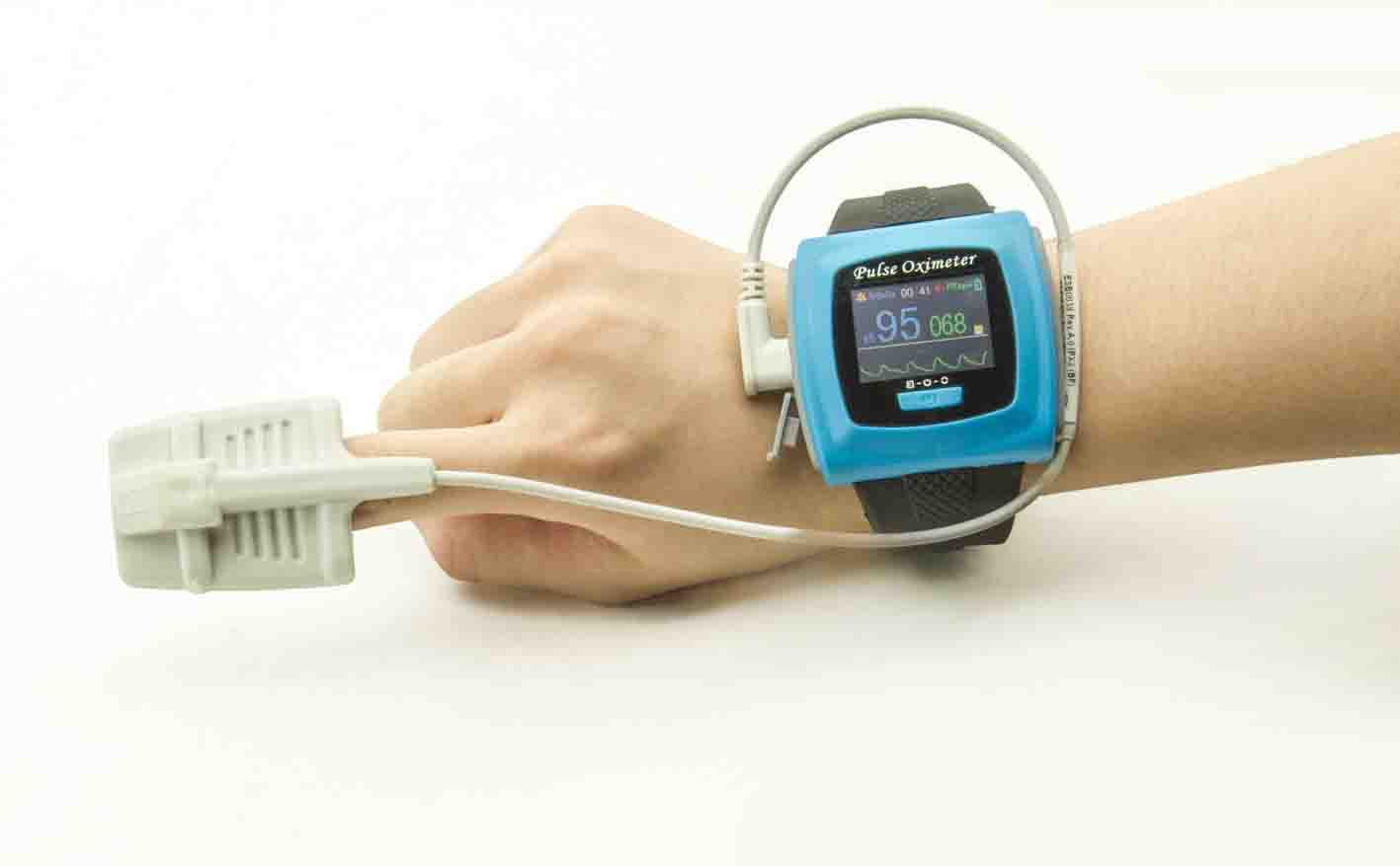
A pulse oximeter provides a record of your blood oxygen levels and heart rate while you wear the device. This information is very important to monitor the quality of your sleep, mostly if you know you have apnea episodes during sleep.
Sleep apnea pulse oximeters are expensive and generally not covered by insurance. However, finger pulse oximeters with recording capabilities can be found at much lower prices. http://torontek.com/product-category/oximeters/
The information, including but not limited to, text, graphics, images and other material contained on this website are for informational purposes only. The purpose of this website is to promote broad consumer understanding and knowledge of various health topics. It is not intended to be a substitute for professional medical advice, diagnosis or treatment. Always seek the advice of your physician or another qualified healthcare provider with any questions you may have regarding a medical condition or treatment and before undertaking a new health care regimen, and never disregard professional medical advice or delay in seeking it because of something you have read on this website
Resources:
https://www.webmd.com/sleep-disorders/sleep-apnea/diagnosing-sleep-apnea

Third Trimester Must-Haves
The final trimester of pregnancy is an exhausting but exciting time!
You’re in your third trimester! Can you believe it? Hopefully, everything has been going smoothly and now you’re finally at the point where you’re preparing for the last few months and getting ready for labor. So exciting! I will say, a lot of women describe the third trimester as the longest trimester since you are getting more uncomfortable by the day and you are so ready to have your body back and meet your baby. You’re almost there though!
Listed below are my must-haves that every woman should have to help her have the best and most enjoyable third trimester.
- Comfy Shoes
With each passing day, your baby is getting bigger. Before you know it, it will feel like you are carrying a bowling ball with you everywhere you go. At this point, the extra weight is getting harder on your feet so getting some comfortable shoes are an absolute MUST! You’ll want to get a pair of flats, sandals, or comfortable sneakers (or all of them) that you can easily slip on and off to make standing and walking throughout the day a bit more bearable.
- Birth Ball
A birth ball is wonderful to have because it strengthens your legs, back, and core muscles — which can condition the abdominal area involved in childbirth — and it can aid in relaxation, comfort, and physical relief. A birth ball is good for exercising the deep, supportive muscles in the lower back and surrounding spine so you’ll have better posture and be less prone to a backache and sciatica. What’s also great is that you can use it during labor and even after when you have your baby. Being able to bounce on it to soothe your crying baby and save your joints at the same time is awesome.
- Heating Pad
Your back and hips will be a lot more aches and sore towards the end of your pregnancy. When you can’t get a Massage or see a chiropractor, remember that heat is your friend. You can heat a rice bag or use a heating pad before you go to bed to help give you relief and relax your muscles.
NOTE: Make sure that you turn off the heating pad before you go to sleep to avoid overheating and burning your skin. Also, heat is a wonderful thing to help you during labor, too. Bring these things in your hospital bag.
- Maternity Leggings
The clothing gods heard our prayers and miraculously made comfy, stretchy leggings a chic wardrobe choice you can practically wear anytime, anywhere. If pregnancy has led to varicose veins and swollen ankles, these maternity compression leggings may be just the thing to offer some relief.
- Loose Tops
Nothing more comfortable than a loose top. A stretchy tee shirt is long enough to cover not only the bump but also the bum- which is tres important when you live in leggings!
- Body Pillow
C-shape pillow cradles you from head to toe, even taking the place of your regular pillow. One end is for your head and neck; the other tucks between your legs to realign your hips as you sleep. A body pillow is a great help in getting best sleep during the 3rd trimester.
- Water Bottle
It’s important to keep hydrated during this stage of pregnancy. Staying hydrated is paramount to your comfort and health. Invest in a giant bottle/cup so that you don’t have to keep getting up and refilling your water bottle. If plain water is getting too boring, switch it up with coconut water, sparkling water, or add a bit of juice.
- Raspberry Leaf Tea
Raspberry Leaf Tea is highly recommended to start drinking during your third trimester every day to help prepare your body for labor and delivery. It’s great for uterine health and helps prevent post-delivery hemorrhaging.
- Books and Resources
It’s time to move on from the pregnancy/delivery books and start looking at resources on actually taking care of a newborn baby. There are lots of great books that have good tips and advice for baby’s feeding, sleeping, and overall scheduling. Watch TV shows and get new ways on how to soothe your baby – every new parent needs to know those tricks. They really talk about the science behind it all.
- Postpartum Doula
So many expecting couples are focusing on the labor and birth of their baby (and rightfully so, it’s very important), but they forget to think about what happens after giving birth – taking care of a baby. Start looking into postpartum doulas in your area. They can help you with breastfeeding, pumping, bottle-feeding, showing you had to soothe, swaddle, all types of newborn care, and so much more. Whether you want help during the day or at night, a postpartum doula is an amazing support person and resource.
The information, including but not limited to, text, graphics, images and other material contained on this website are for informational purposes only. The purpose of this website is to promote broad consumer understanding and knowledge of various health topics. It is not intended to be a substitute for professional medical advice, diagnosis or treatment. Always seek the advice of your physician or another qualified healthcare provider with any questions you may have regarding a medical condition or treatment and before undertaking a new health care regimen, and never disregard professional medical advice or delay in seeking it because of something you have read on this website.

3 Important Exercises during 3rd Trimester
Even though you may not feel like doing much at all as your belly grows week after week, it’s important to keep moving throughout pregnancy, including in the awkward and uncomfortable last weeks. Third-trimester exercises are some of the most important, helping to alleviate aches and pains while also preparing your body for labor. These exercises will open up the hips and pelvis, strengthening the muscles you’ll be using during childbirth.
“Don’t let fatigue rule the end of your pregnancy. Keep up your exercise schedule with this easy-to-follow plan for months 8-9 of your pregnancy.”
Pelvic Floor Exercises 

Pelvic floor exercises help to strengthen the muscles of the pelvic floor. These muscles come under great strain during pregnancy and childbirth.
The pelvic floor muscles are overstretched and weakened underneath that weight so it is important to do pelvic floor exercises to maintain muscle tone. If your pelvic floor muscles are weakened, you may find that you leak urine when you cough, sneeze or strain. This is quite common and you needn’t feel embarrassed. It’s known as stress incontinence and it can continue after pregnancy.
Squats
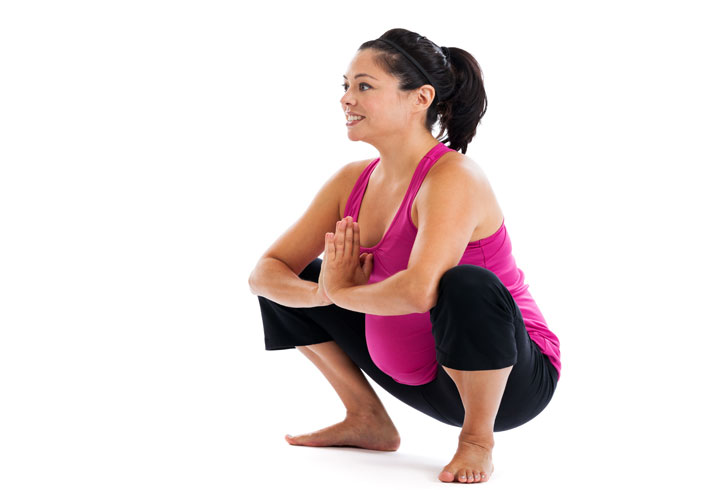 The full squat position is a passive position that allows gravity to open the pelvis, causing the pelvic floor muscles to engage. Use a prop if you need to, placing a rolled-up towel or yoga mat under your heels if they don’t reach the ground.
Squatting can open your pelvic outlet by 10 percent. When you squat to induce labor, it creates more room for the baby to move down into the birth canal. Squatting during the third trimester helps strengthen your leg muscles. Strong legs are a must when it comes to labor and the final push to give birth. It eases constipation and pressure on the pelvic floor – a blessing during the last few weeks of your pregnancy.
Caution:
Though squatting to induce labor is harmless in most cases, but you need to keep some points in mind. If your baby is in breach position, squatting can prove to be harmful. This is because squatting will force her to descend the birth canal without giving her the chance to move into proper position. So talk to your doctor to make sure your baby is head down before you try squatting.
Gentle Abs 

Given all the stretching that your ab muscles go through during pregnancy to accommodate your growing baby, you wouldn’t be the first woman to wonder if there must be something you can do to keep them in shape and speed recovery after birth. And while pregnancy isn’t the time to strive for the chiseled core you’ve always dreamed of, you can certainly take a few safe steps, with the guidance of your practitioner, to maintain your fitness and keep your core strong during pregnancy. In fact, exercising your abs during pregnancy has lots of benefits, including reduced risk for back pain and potentially even a speedier labor.
You can do abdominal exercise in the late stages of pregnancy, as long as they are gentle exercises that don’t over-strain the abdominal muscles. A basic pelvic tilt is a great place to start and is safe at all stages. For more of a challenge, you can add movement to the pelvic tilt by incorporating knee lifts and toe taps.
The information, including but not limited to, text, graphics, images and other material contained on this website are for informational purposes only. The purpose of this website is to promote broad consumer understanding and knowledge of various health topics. It is not intended to be a substitute for professional medical advice, diagnosis or treatment. Always seek the advice of your physician or another qualified healthcare provider with any questions you may have regarding a medical condition or treatment and before undertaking a new health care regimen, and never disregard professional medical advice or delay in seeking it because of something you have read on this website.
Resources:
http://www.momjunction.com/articles/benefits-of-doing-squats-to-induce-labor_00113886/#gref
https://www.pregnancybirthbaby.org.au/pelvic-floor-exercises

8 Natural Ways to Induce Labor
As you’re approaching your due date, you’re becoming more and more ready and anxious to meet your little one. Your back is aching, your feet are sore, you can’t sleep comfortably, and most of all you’re so excited to finally see the sweet little face you’ve been dreaming about in person.
Your due date is an educated guess for when your baby might make its arrival. While many women deliver perfectly healthy babies two weeks before or after this presumed due date, it’s recommended that women wait until 40 weeks for delivery. It’s best to let mother nature decide when your baby comes.
Be aware: Any type of labor induction increases the risk of cesarean delivery and other emergency interventions. Always talk to your doctor before trying to induce labor on your own.
8 things that you can do yourself to naturally induce labor
- Nipple Stimulation

Nipple stimulation is one of the most reliable options. It helps release the hormone called oxytocin which is the hormone that causes your uterus to contract. (Oxytocin is also called the love hormone since it’s released when you feel in love.) Oxytocin is the hormone that causes the uterus to contract and milk to be ejected from the breast. In fact, if you choose to breastfeed your baby right after delivery, this same stimulation is what will help your uterus shrink back to its original size. You or your partner may manually stimulate your nipples, or you can try using a breast pump.
- Exercise/ Cardio/ Stair Climbing / Squats
Use gravity to your advantage. Get up and start moving! Physical activity helps move your baby’s head down lower in your pelvis and that allows your baby’s head to put pressure on your cervix which helps it dilate. Try walking for 30 minutes every day. If you can walk up a steep hill, even better! This causes you to lean forward at an angle helping the baby move in the right direction. Walking stairs and doing squats have also been said to be very helpful. So go ahead and get that heart pumping!
- Sex


Theoretically, there are multiple reasons why having sex could induce labor. For example, sex can release oxytocin, which may help jumpstart uterine contractions. Having sex is safe at full term, but you shouldn’t have sex after your water has broken. Doing so can increase your risk of infection. Pretty much everyone knows or has been told that having sex is the way to start labor. The reason for that is the act of sex can cause contractions. Not only that, semen contains a substance called prostaglandins which helps the cervix to ripen and efface so it’s best that he also orgasms. This prepares your body for labor.
- Acupuncture & Acupressure
Acupuncture stimulates the release of oxytocin in the body. Acupuncture and acupressure is another natural method for inducing labor. With acupuncture, a practitioner places fine needles at various points along the body to balance your energy flow. Acupressure is the same concept, but instead, fingers are used to apply pressure to pressure points. These are also pressed during labor induction massages. A couple of pressure points are thought to cause contractions. One is located in the webbing between your thumb and forefinger. The other is located just above your ankle. Applying pressure to either of these two pressure points may help bring on contractions.
- Red Raspberry Leaf Tea
 Drinking this tea regularly can strengthen and tone your uterus and help those muscles in your uterus start to contract. Midwives often recommend drinking red raspberry leaf tea as your due date nears. Tea may tone and strengthen the uterus in preparation for labor. Even if it doesn’t work, you’ll stay hydrated.
- Warm Baths


Soaking in a warm bath may help to get labor going. The reason why? Soaking in the tub helps to relax you. There is evidence that stress and being uptight may keep you from going into labor. This is why massage is also beneficial. Almost anything that gets your mind off of the fact that you are still pregnant that can get you to relax can help.
- Membrane Stripping
 Some providers will offer to strip your membranes to encourage labor. Though the procedure is done in the office, there are no medications involved. Your doctor will use a gloved finger to separate the amniotic sac from the area around the cervix. This action releases hormones called prostaglandins, which help the body go into labor. This one can be quite uncomfortable. It hasn’t been proven to be one of the most effective forms of induction, but it is an option. If you have any vaginal infections, membrane stripping is not an option.
- Labor Induction Massages


Getting a labor induction massage is a great way to get contractions going. This massage doesn’t always work immediately and may require two or three appointments to help stimulate labor. It allows you to relax your muscles around the baby and it sends signals to your body to start the labor process.
The Waiting Game
Before trying anything that might induce labor, you’ll want to speak with your doctor to go over any risks or possible complications. Though some of these methods are popular folklore among pregnant women, little scientific evidence supports their efficacy. In most cases, it’s best to let baby set their own birth date, even if it means waiting another week or two.
As the due date approaches, many couples are eager for labor to begin so they can finally meet their little one.
And though that’s the most exciting moment of your life, you might want to slow down and not rush through things. Saving your energy, rather than wearing yourself out with schemes for starting labor sooner. In other words, get some sleep while you can!
The information, including but not limited to, text, graphics, images and other material contained on this website are for informational purposes only. The purpose of this website is to promote broad consumer understanding and knowledge of various health topics. It is not intended to be a substitute for professional medical advice, diagnosis or treatment. Always seek the advice of your physician or another qualified healthcare provider with any questions you may have regarding a medical condition or treatment and before undertaking a new health care regimen, and never disregard professional medical advice or delay in seeking it because of something you have read on this website.
Resources:
https://www.healthline.com/health/pregnancy/natural-ways-to-induce-labor#takeaway