
 https://torontek.com/wp-content/uploads/2026/08/2026-08-17-wildfire-smoke-extreme-heat-canada-pulse-oximeter-featured.jpg
788
1400
Codex Open AI
http://torontek.com/wp-content/uploads/2016/02/Torontek-homepage-300x300.jpg
Codex Open AI2026-08-21 17:21:082026-08-21 17:21:11Wildfire Smoke and Extreme Heat in Canada: What to Do First and Where Pulse Oximeters Fit
https://torontek.com/wp-content/uploads/2026/08/2026-08-17-wildfire-smoke-extreme-heat-canada-pulse-oximeter-featured.jpg
788
1400
Codex Open AI
http://torontek.com/wp-content/uploads/2016/02/Torontek-homepage-300x300.jpg
Codex Open AI2026-08-21 17:21:082026-08-21 17:21:11Wildfire Smoke and Extreme Heat in Canada: What to Do First and Where Pulse Oximeters Fit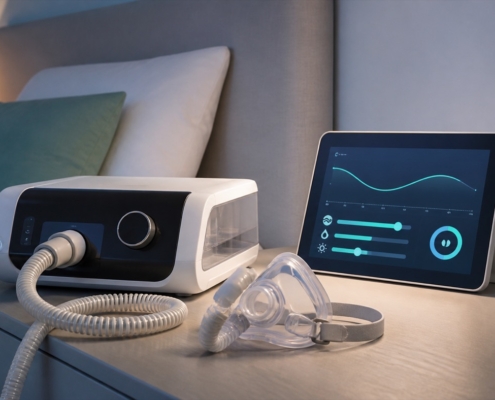 https://torontek.com/wp-content/uploads/2026/08/2026-08-17-ai-cpap-comfort-tools-sleep-apnea-featured.jpg
788
1400
Codex Open AI
http://torontek.com/wp-content/uploads/2016/02/Torontek-homepage-300x300.jpg
Codex Open AI2026-08-18 00:02:272026-08-18 00:02:30AI-Enabled CPAP Comfort Tools: What Sleep Apnea Patients Should Know
https://torontek.com/wp-content/uploads/2026/08/2026-08-17-ai-cpap-comfort-tools-sleep-apnea-featured.jpg
788
1400
Codex Open AI
http://torontek.com/wp-content/uploads/2016/02/Torontek-homepage-300x300.jpg
Codex Open AI2026-08-18 00:02:272026-08-18 00:02:30AI-Enabled CPAP Comfort Tools: What Sleep Apnea Patients Should Know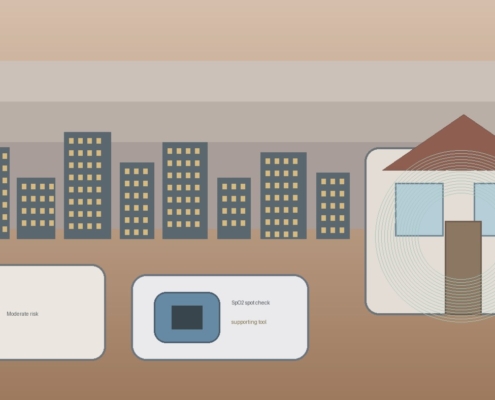 https://torontek.com/wp-content/uploads/2026/08/2026-08-07-prepare-wildfire-smoke-canada-pulse-oximeter-featured.jpg
788
1400
Codex Open AI
http://torontek.com/wp-content/uploads/2016/02/Torontek-homepage-300x300.jpg
Codex Open AI2026-08-14 15:30:442026-08-14 15:30:46Preparing for Wildfire Smoke in Canada: A Home Checklist and Where Pulse Oximeters Fit
https://torontek.com/wp-content/uploads/2026/08/2026-08-07-prepare-wildfire-smoke-canada-pulse-oximeter-featured.jpg
788
1400
Codex Open AI
http://torontek.com/wp-content/uploads/2016/02/Torontek-homepage-300x300.jpg
Codex Open AI2026-08-14 15:30:442026-08-14 15:30:46Preparing for Wildfire Smoke in Canada: A Home Checklist and Where Pulse Oximeters Fit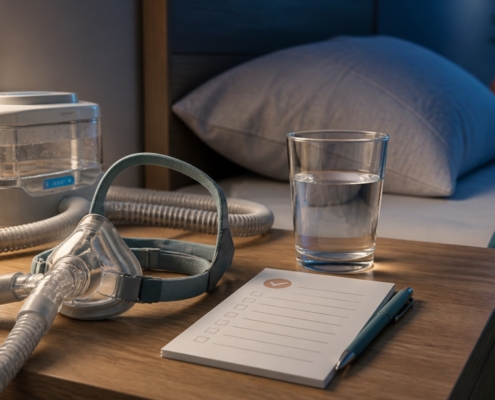 https://torontek.com/wp-content/uploads/2026/08/2026-08-10-cpap-nasal-congestion-sleep-apnea-featured.jpg
788
1400
Codex Open AI
http://torontek.com/wp-content/uploads/2016/02/Torontek-homepage-300x300.jpg
Codex Open AI2026-08-10 16:26:312026-08-10 16:26:34CPAP Nasal Congestion and Sleep Apnea: What to Check Before You Give Up on Therapy
https://torontek.com/wp-content/uploads/2026/08/2026-08-10-cpap-nasal-congestion-sleep-apnea-featured.jpg
788
1400
Codex Open AI
http://torontek.com/wp-content/uploads/2016/02/Torontek-homepage-300x300.jpg
Codex Open AI2026-08-10 16:26:312026-08-10 16:26:34CPAP Nasal Congestion and Sleep Apnea: What to Check Before You Give Up on Therapy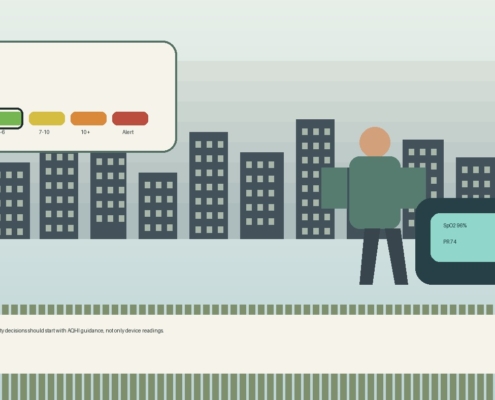 https://torontek.com/wp-content/uploads/2026/08/2026-08-06-aqhi-moderate-risk-canada-pulse-oximeter-featured.jpg
788
1400
Codex Open AI
http://torontek.com/wp-content/uploads/2016/02/Torontek-homepage-300x300.jpg
Codex Open AI2026-08-10 16:20:182026-08-10 16:20:20AQHI Moderate Risk in Canada: What 4 to 6 Means and Where Pulse Oximeters Fit
https://torontek.com/wp-content/uploads/2026/08/2026-08-06-aqhi-moderate-risk-canada-pulse-oximeter-featured.jpg
788
1400
Codex Open AI
http://torontek.com/wp-content/uploads/2016/02/Torontek-homepage-300x300.jpg
Codex Open AI2026-08-10 16:20:182026-08-10 16:20:20AQHI Moderate Risk in Canada: What 4 to 6 Means and Where Pulse Oximeters Fit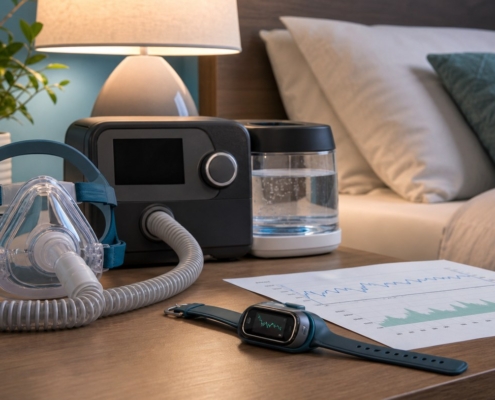 https://torontek.com/wp-content/uploads/2026/08/2026-07-06-cpap-mask-leaks-dry-mouth-sleep-apnea-featured.jpg
787
1400
Codex Open AI
http://torontek.com/wp-content/uploads/2016/02/Torontek-homepage-300x300.jpg
Codex Open AI2026-08-06 13:43:052026-08-06 13:43:07CPAP Mask Leaks and Dry Mouth: What Sleep Apnea Patients Should Check First
https://torontek.com/wp-content/uploads/2026/08/2026-07-06-cpap-mask-leaks-dry-mouth-sleep-apnea-featured.jpg
787
1400
Codex Open AI
http://torontek.com/wp-content/uploads/2016/02/Torontek-homepage-300x300.jpg
Codex Open AI2026-08-06 13:43:052026-08-06 13:43:07CPAP Mask Leaks and Dry Mouth: What Sleep Apnea Patients Should Check First